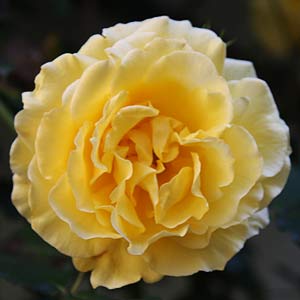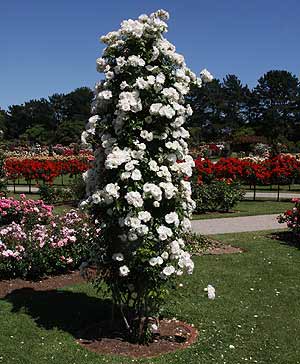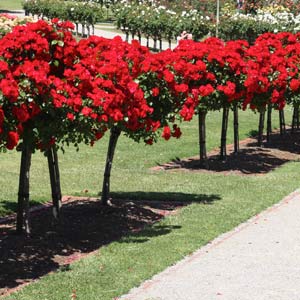

‘Rosendorf Sparrieshoop’ is a light pink to white-flushed rose bred by Reimer Kordes in 1953. Commonly referred to as the Sparrieshoop Rose, it is a strong-growing and reliable variety known for its masses of semi-double flowers.
The blooms are lightly fragrant, with soft pink petals surrounding prominent buttery yellow stamens, creating a relaxed, informal look.
Key Features
- Masses of semi-double flowers over a long period
- Soft pink blooms with yellow centres
- Light fragrance
- Strong, hardy growth habit
- Suitable for cutting and informal arrangements
Why Grow ‘Rosendorf Sparrieshoop’?
Regarded as one of the early “modern roses,” this variety has proven its value over decades in the garden.
It combines:
- Vigour and reliability
- Attractive, repeat flowering
- Good foliage coverage
Its natural, slightly open flower form makes it especially useful for less formal garden styles and cottage plantings.
Selection Note (Important)
This variety is sometimes confused with another rose named ‘Sparrieshoop’, also bred by Kordes.
When purchasing, ensure you are selecting ‘Rosendorf Sparrieshoop’ to get the correct plant.
Growing Conditions
- Position: Full sun
- Soil: Humus-rich, well-drained
- Water: Moderate, especially during establishment
Like most roses, it performs best with good airflow and consistent sunlight.
Care
This is an easy rose to grow and does not require special treatment.
Water regularly during dry periods and apply a quality rose fertiliser to maintain strong flowering and healthy growth.
Pruning
Prune in late winter to early spring, before new growth begins.
Remove:
- Dead or damaged wood
- Weak or crossing branches
Light shaping will encourage a more compact plant and promote better flowering throughout the season.
Flowering
Flowering occurs from spring through summer, often in repeated flushes.
Regular deadheading will help extend the flowering period and keep the plant looking tidy.
Planting Tips
- Spacing: Allow at least 60–80 cm around the rose for airflow
- Layering: Keep lower plants at the front, taller companions behind or beside
- Colour balance: Blues, purples, and soft yellows work best with pink roses
- Maintenance: Choose plants with similar water and feeding needs
Uses in the Garden
‘Rosendorf Sparrieshoop’ is well suited to:
- Cottage-style gardens
- Mixed shrub borders
- Informal hedging
- Cut flower gardens
Its softer flower form blends well with perennials and other relaxed plantings.
Wildlife & Pollinators
The open, semi-double flowers make pollen accessible, attracting bees and other beneficial insects into the garden.
Summary
- Name: ‘Rosendorf Sparrieshoop’
- Breeder: Reimer Kordes
- Year: 1953
- Height: Medium shrub (typically 1.5–2 m) (added for completeness)
- Growth Rate: Fast
- Position: Full sun
- Soil: Humus-rich, well-drained
- Foliage: Mid to deep green
- Flowers: Soft pink with yellow stamens
- Fragrance: Light
- Disease Resistance: Good
Companion Plants for ‘Rosendorf Sparrieshoop’
‘Rosendorf Sparrieshoop’ works best with plants that complement its soft pink tones and open, informal flower shape. Choose companions that enjoy full sun, well-drained soil, and similar care.
A mix of low underplanting and mid-height perennials will create a balanced, layered look.
Underplanting (Low Growing Companions)
These help cover the base of the rose, suppress weeds, and soften the structure.
- Nepeta faassenii
Soft blue flowers contrast beautifully with pink blooms and attract pollinators. - Alchemilla mollis
Lime-green flowers and soft foliage provide a gentle colour contrast. - Thymus serpyllum
A low, drought-tolerant groundcover ideal for sunny positions.
Mid-Layer Companions (Mixed Borders)
These sit alongside the rose and add height, colour, and seasonal interest.
- Salvia nemorosa
Upright purple flower spikes provide contrast in both form and colour. - Lavandula angustifolia
A classic partner, offering fragrance and structure. - Achillea millefolium
Flat flower heads in soft yellows or pastels complement the relaxed style.
Structural & Background Plants
For depth and contrast in a larger planting scheme:
- Stipa tenuissima
Adds movement and a soft, airy texture. - Digitalis purpurea
Tall flower spikes bring vertical interest in cottage-style gardens.
Design Idea
Pair ‘Rosendorf Sparrieshoop’ with catmint and lady’s mantle at the base, backed by salvia and lavender, and soften the edges with ornamental grasses.
This creates a long-flowering, low-maintenance border with a natural, informal feel.