
Coelogyne mooreana is often hailed as the Queen of the Coelogynes, and for good reason. This exquisite species from the highlands of Vietnam is admired for its pure white, delicately ruffled flowers and golden-orange lip. Combined with a sweet fragrance and relatively easy care, it has become a cherished favourite among collectors and enthusiasts alike.

Grown for both its beauty and scent, it produces multiple blooms on erect or arching spikes, offering a spectacular display during its flowering season.
How to grow Coelogyne mooreana
Climate
In its natural habitat, Coelogyne mooreana thrives in cool, misty montane forests at altitudes of 1,000 to 1,800 metres. It prefers:
- Cool to intermediate conditions
- High humidity
- Bright, indirect light
- Good air movement
It performs well in shaded greenhouses or cool-growing orchid collections where conditions are stable and humid.
Temperature Range
- Ideal daytime temperatures: 15°C to 28°C
- Night-time drop of around 10°C is recommended
- Can tolerate as low as 10°C, but below 8°C may cause damage
- Needs protection from extreme heat—ensure very good airflow if temps rise above 30°C
Soil / Growing Medium
Coelogyne mooreana prefers a light, airy mix that retains moisture without becoming soggy. Suitable options include:
Fine to medium-grade pine bark
Perlite for aeration
Charcoal for freshness
Optionally, some sphagnum moss for added moisture retention
It can also be grown in a moss-lined orchid basket, which offers excellent ventilation.
Watering
This species enjoys consistent moisture, particularly during the growing season (spring to early autumn). Keep the mix evenly moist, but never soggy.
- Water regularly in active growth
- In winter, allow the mix to partially dry out between waterings
- Avoid using hard tap water—rainwater or distilled water is ideal
- Ensure the pot has excellent drainage
Fertilising
Like most orchids, C. mooreana benefits from regular feeding during growth.
- Apply a dilute, balanced orchid fertiliser every 2 weeks during spring and summer
- Reduce frequency in late autumn and winter
- Use a low-nitrogen fertiliser late in the season to encourage blooming
- Flush the pot monthly with plain water to prevent salt build-up
Repotting Coelogyne mooreana
Coelogynes seem to grow well in a variety of potting mixes, provided that they are well drained. Pine bark, with or without the various additives that some cymbidium growers incorporate, is quite satisfactory.
Coelogyne do not like being repotted and seem to resent division as well. Leave reporting until the plant has outgrown the pot or the growing medium begins to break down.
Care must be taken when making divisions to ensure that each piece has sufficient roots to support it. In many cases, there are no roots at all on recent growth.
The time to repot is immediately after flowering, this is when new growth will commence. Ensure that any division has a a good root system, and be prepared for the plant to not flower in the season after repotting.
Repotting should be done every 3–4 years, or when the medium starts to break down.
• Best done in spring, when new growth appears
• Remove old or dead roots and pseudobulbs during the process
• Choose a small pot—this species prefers a confined root space
• Don’t overpot; a tight fit encourages flowering
Common Pests and Problems
Coelogyne mooreana is generally hardy, but a few common issues may arise.
- Scale insects and aphids may appear on flower spikes and new growth
- Spider mites can become a problem in low humidity
- Root rot if the mix is too dense or wet
- Leaf spotting in stagnant, poorly ventilated areas
Top Tip: Regular inspection and good airflow can prevent most issues.
Best Uses in the Garden for Coelogyne mooreana:
- Feature Plant in Shaded Areas – Perfect as a focal point in shaded or semi-shaded garden beds, under trees, or in fernery settings.
- Orchid Wall or Vertical Garden – Grows well mounted on bark or in hanging baskets, making it ideal for vertical displays in protected outdoor spaces.
- Cool Climate Greenhouses or Shadehouses – Excellent choice for protected, controlled environments where its cool-growing needs can be met.
- Potted Accent for Patios or Verandas – Makes a striking container plant that can be easily moved and enjoyed up close when in bloom.
- Understory Planting in Tropical-Style Gardens – Complements ferns, mosses, and other orchids in creating a lush, rainforest-inspired garden layer.
Related Orchids with Similar Needs
Many orchids with similar temperature and light requirements grow well alongside Coelogyne mooreana. These include some of the following species:
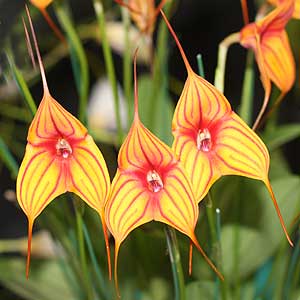


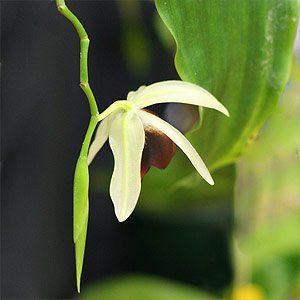
• Coelogyne cristata – Another cool-growing white-flowered Coelogyne
• Masdevallia species – Enjoy similar cool, moist, and shaded conditions
• Dracula orchids – Prefer cool temperatures and high humidity
• Dendrobium cuthbertsonii – A compact species that thrives in cool climates