
Pleurothallis Orchids are a large and fascinating genus of mostly small-growing orchids, prized for their intricate foliage and often tiny but highly detailed flowers. While many species produce small blooms, they reward close inspection with remarkable shapes, textures, and colours that make them favourites among serious orchid collectors.

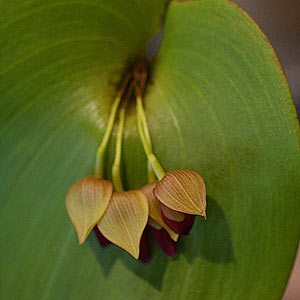
Native primarily to the cool, humid cloud forests of the Andes, Pleurothallis orchids thrive in environments that mimic their natural habitat—high humidity, excellent air movement, and moderate to cool temperatures. The species pictured above, Pleurothallis marthae, is a wonderful example, showcasing the delicate flowers that make this genus so distinctive.
Key Plant Characteristics
| Feature | Details |
|---|---|
| Plant type | Evergreen epiphytic or lithophytic orchid |
| Height | 5–30 cm (varies by species) |
| Spread | 5–20 cm |
| Growth habit | Compact, clumping |
| Bloom time | Variable; often spring to autumn |
| Foliage interest | Year-round |
How To Grow
One simple rule is not to let them dry out. As this is wide ranging group of orchids the temperature requirements will differ a little from species to species, however they are a cool growing orchid, rather than tropical.
Climate & Hardiness
Pleurothallis Orchids are cool-growing orchids, best suited to temperate to cool climates.
- Ideal temperature range:
- Day: 15–25°C
- Night: 8–15°C
- Hardiness: Frost-tender (not suitable for outdoor growing in cold climates)
- Best USDA equivalent: Zones 10–11 (grown under protection)
Grower note: These orchids dislike heat. Sustained temperatures above 25°C can quickly lead to stress, leaf drop, or decline
Soil & Potting Medium
One of the keys to success with Pleurothallis Orchids is the growing medium.
- Best medium:
- Fine orchid bark
- Sphagnum moss blends
- Moisture-retentive but free-draining mixes
In nature, many species are epiphytic, growing on mossy tree branches or rocks. While mounting on tree fern or cork is possible, maintaining adequate moisture can be challenging for home growers.
Grower tip: Most growers achieve better results using small pots or orchid baskets that retain moisture while allowing airflow around the roots.
Light Requirements
- Light: Bright, filtered light
- Avoid: Direct sun, especially midday sun
- Ideal placement:
- Shaded greenhouse
- Bright indoor position with sheer-filtered light
High humidity must always be paired with good air circulation to prevent fungal issues.
Water & Humidity Needs
- Watering: Keep consistently moist—never allow to fully dry out
- Humidity: 70% or higher is ideal
- Air movement: Essential
Although Pleurothallis orchids love moisture, stagnant conditions will cause problems. Water more frequently in warm months and slightly reduce watering in winter, without letting the medium dry.
Seasonal Care Notes
- Spring–Summer:
- Active growth
- Increase watering and humidity
- Autumn–Winter:
- Slower growth
- Maintain moisture but reduce frequency
- Ensure cooler night temperatures
Regional Growing Notes
- In coastal climates:
Natural humidity can be an advantage, but airflow is critical. - In dry or inland regions:
Use humidifiers, enclosed cabinets, or terrariums for best results. - In warm climates:
Evaporative cooling or shaded greenhouse conditions may be necessary.
Final Grower Notes
Pleurothallis Orchids are not difficult once their core needs are met: cool temperatures, high humidity, constant moisture, and gentle light. They reward patient growers with unusual flowers and year-round foliage interest that few other orchids can match.
Popular Pleurothallis Varieties
- Pleurothallis palliolata
Known for its pink, balloon-shaped flower that opens like a mouth and sits proudly above a green leaf. - Pleurothallis truncata
Recognisable by its spikes of striking orange flowers. - Pleurothallis restrepioides
Problems, Pests & Safety
- Common pests:
- Fungus gnats
- Mealybugs
- Scale (in poorly ventilated conditions)
- Diseases:
- Root rot from poor drainage
- Fungal leaf spots in stagnant air
- Toxicity:
- Non-toxic to pets and humans
Care
Temperature and Humidity
As a general rule high humidity is one of the key factors, consider at they come from such a climate, so 70% plus is what to aim for. And remember that although they do like humidity they do not like high temperatures, a maximum of 20 – 25C. Conversely no freezing night temperature either.
Light
Light should be good but not direct or strong, so filtered. High humidity and good air circulation are essential. So bright filtered light, not direct sun.
Watering
One simple rule is not to let them dry out. As this is wide ranging group of orchids the temperature requirements will differ a little from species to species, however they are a cool growing orchid, rather than tropical.
Potting
One of the keys to successful cultivation of Pleurothallis Orchids is the growing medium, it is that combination of free draining but moisture retaining growing medium that is essential. In nature many are epiphytic and you could mount them on some tree fern or similar, however providing the required moisture can be difficult so more often they are grown in orchid baskets or pots.
Where To Buy
Large variety of Epimediums, Woodland plants and Herbaceous perennials
Mail order or nursery. We do not send to Tasmania or WA
www.cloverhillrareplants.com
More Orchids


We Are Asked
Do Pleurothallis Orchids need high humidity?
es. High humidity is essential for healthy growth. Aim for 70% humidity or higher, combined with good air circulation. In dry climates, growing Pleurothallis Orchids in a terrarium, orchid cabinet, or humidified greenhouse produces the best results.
Can Pleurothallis Orchids grow indoors?
Pleurothallis Orchids can grow very well indoors if their environmental needs are met. A bright position with filtered light, stable cool temperatures, and added humidity makes them excellent candidates for indoor orchid collections.
How often should Pleurothallis Orchids be watered?
Pleurothallis Orchids should be kept consistently moist. Never allow the growing medium to dry out completely. Watering frequency will vary by season, temperature, and growing medium, but most plants benefit from frequent light watering rather than heavy soaking.
Are Pleurothallis Orchids fragrant?
Most Pleurothallis species are not strongly fragrant, but some produce subtle scents that are best noticed up close. They are grown more for the flower form and botanical interest than fragrance.