
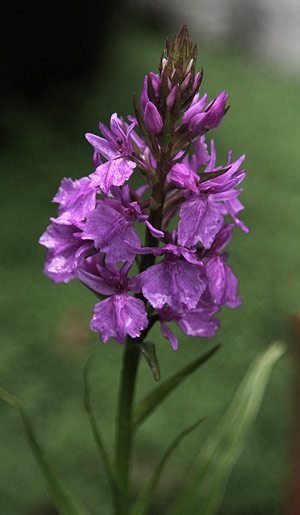
Dactylorhiza is a genus of terrestrial orchids commonly known as Marsh Orchids or Spotted Orchids. Unlike the tropical orchids many gardeners are familiar with, these deciduous orchids are hardy plants that thrive in cooler climates and are well suited to growing outdoors.
Species occur naturally throughout Europe, Northern Africa, Asia and parts of North America. Because they come from such a wide geographical range, growing requirements vary between species, particularly in relation to soil moisture and pH.
Although commonly called Marsh Orchids, they do not grow well in permanently waterlogged soils. Most species prefer consistently moist, well-drained soil, especially during the growing season.
Growing Conditions
Climate
Dactylorhiza perform best in cool to temperate climates. They are generally unsuitable for tropical or subtropical regions, where high temperatures and humidity can prevent healthy growth.
Species from Mediterranean regions are less tolerant of wet winter conditions than those native to the UK and northern Europe, so it’s worth understanding the natural habitat of the species you are growing.
Sunlight
Most Dactylorhiza grow well in full morning sun with dappled or light afternoon shade, particularly in warmer climates. Afternoon shade helps reduce heat stress and prevents the soil from drying too quickly.
Good air circulation is also important, especially during the warmer months.
Soil
Moisture requirements vary according to the species and your local climate. While these orchids appreciate evenly moist soil during active growth, they dislike constantly wet or boggy conditions.
Soil pH is also important. Some species are naturally found in alkaline soils, including:
- Dactylorhiza fuchsii
- Dactylorhiza incarnata
- Dactylorhiza viridis
- Dactylorhiza romana
- Dactylorhiza traunsteinerioides
Providing the correct soil conditions for your chosen species will lead to stronger growth and better flowering.
How to Plant Dactylorhiza
Dormant plants should be planted at approximately the same depth they were growing in the nursery container. The tubers should sit below the soil surface, with planting depth varying slightly according to climate.
Cooler climates: plant around 10cm (4 inches) deep.
Milder temperate climates: plant around 7–8cm (3 inches) deep.
Choose a position where the soil remains evenly moist but drains freely. Dactylorhiza are excellent additions to woodland gardens, moist borders and the edges of bog gardens where drainage is still adequate.
Dormancy
After flowering, the foliage will gradually yellow and die back as the plant enters dormancy. At this stage, reduce watering and allow the plant to experience cooler winter temperatures.
If growing Dactylorhiza in containers or indoors, it is beneficial to move them outdoors during winter so they receive the natural cold period needed for healthy growth and flowering the following season.
Recommended Species and Cultivars
A number of species and cultivars are well suited to garden cultivation.
Among the most popular are:
- Dactylorhiza fuchsii (Common Spotted Orchid)
- Dactylorhiza ‘Harold Esslemont’, an outstanding cultivar with rich, dark flowers
- Dactylorhiza maculata
- Dactylorhiza foliosa, commonly known as the Madeiran Orchid
- Dactylorhiza majalis
For most gardeners, Dactylorhiza fuchsii and Dactylorhiza ‘Harold Esslemont’ are among the easiest and most rewarding choices.
Final Tips
Although they are known as Marsh Orchids, Dactylorhiza should not be treated as bog plants. They grow best in cool climates with reliable soil moisture, partial afternoon shade and good drainage.
Provide these conditions, together with a cool winter dormancy, and these beautiful terrestrial orchids will reward you with elegant spikes of spotted flowers from late spring into early summer.
Where To Buy
PO Box 7040 Leura NSW 2780
Rare woodland plants, Trilliums Epimediums, Arisaemas, plus much more.www.lynnsrareplants.com.au