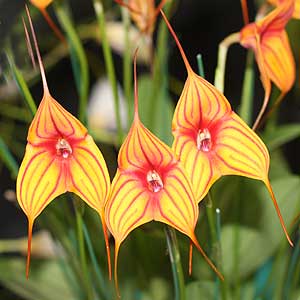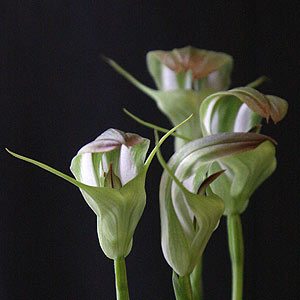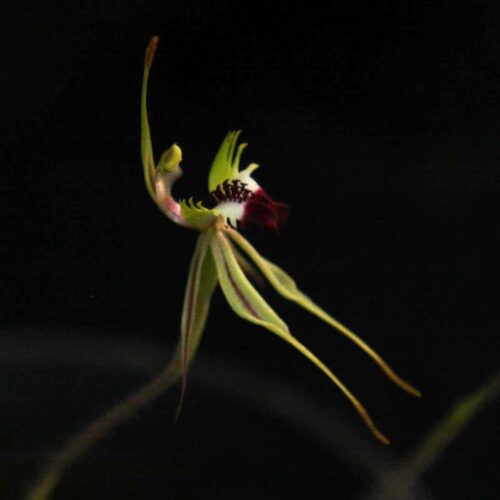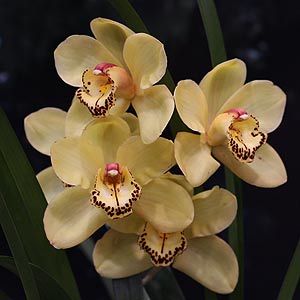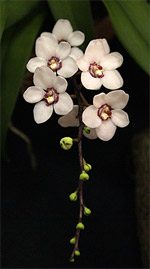
Beallara orchids (now usually labelled as Aliceara) are eye-catching, relatively forgiving hybrids that reward growers with dramatic, long-lasting sprays of starry flowers in a wide range of colours and patterns. They sit within the Oncidium alliance, so if you already grow Oncidium or other intergenerics, you’re well on your way to keeping these going happily.

Beallara orchids are complex intergeneric hybrids, originally created by combining Brassia, Cochlioda, Miltonia and Odontoglossum, which gives them their frilly, patterned blooms and good temperature tolerance. In modern taxonomy they’re generally grouped under Aliceara, but you’ll still see the older Beallara name (Bllra.) on tags and in catalogues.
They’re increasingly popular in Australia because they’re easier to grow than they look, carry generous sprays of flowers, and perform well under typical intermediate conditions similar to Oncidium orchids. For many growers they’re sold under the broader “Cambria” label, making them a great entry point into the Oncidium alliance hybrids
They will grow well under similar conditions to Oncidium Orchids and are a part of the oncidium alliance.
Distinctive Features
Beallara orchids combine features from all four parent genera, which makes them both striking and adaptable.
- Complex hybrid heritage – Brassia and Miltonia contribute arching flower spikes and starry shapes, while Odontoglossum and Cochlioda are responsible for the frilled lips and bold markings.
- Showy, long-lasting sprays – Inflorescences carry multiple flowers, often lasting several weeks in good conditions, making them excellent display plants for the home or greenhouse.
- Wide colour range – Flowers can be white, cream, green, yellow, pink, red, burgundy, or blends and speckles of all of the above, often with dramatic contrasting lips.
- Pseudobulbs and narrow leaves – Like other Oncidium alliance orchids, they form clustered pseudobulbs topped with slender leaves, which store water and nutrients and give you a visual cue for watering needs.
Named forms such as Beallara Snowblind ‘Sweet Spots’ and Beallara Diana Dunn ‘Gothic’ are popular for their reliable flowering and distinctive colour combinations.
How To Grow Beallara Orchids
Think of Beallara as a slightly moisture-loving Oncidium: bright filtered light, even moisture, and good drainage are the keys to success
Potting Mix and Containers
Beallara are typically grown in pots rather than baskets, using a medium that holds moisture but still drains freely.
- Use medium to fine-grade orchid bark with around 25% perlite to keep the mix open and airy.
- Adjust the proportion of bark and moisture-holding components depending on your climate and watering style: hotter, drier positions may benefit from a bit of sphagnum or finer bark, while cooler, damp climates often do better with coarser mixes.orchids-shop+1
- Choose squat pots with excellent drainage holes to avoid waterlogging.
Repot approximately every two years, or when the mix starts to break down, and avoid overpotting – a slightly snug pot encourages healthier root systems and easier watering.
Light Requirements
Beallara orchids enjoy bright conditions but dislike harsh direct sun, especially in the afternoon.
- Aim for bright, indirect light with around 3 hours of gentle early morning sun, then filtered or dappled light for the rest of the day.
- Under cover or in a greenhouse, a 50% shade cloth is usually ideal to prevent leaf burn while still providing enough light for flowering.
- Leaves should be a medium green; very dark foliage usually indicates too little light, while yellowing or scorched areas point to too much direct sun
Temperature and Humidity
These orchids sit comfortably in the intermediate–warm range, similar to many Oncidium alliance hybrids.cvios+1
- Night temperatures: Around 13–18°C are ideal, with 13°C often mentioned as a good minimum for strong growth.cvios+1
- Day temperatures: Up to around 28–30°C is fine, but prolonged extremes above this can stress the plant.growplants+1
- A noticeable drop at night (around 10–15°C cooler than day) helps trigger good spike and bud formation.
Humidity doesn’t have to be tropical; Beallara will tolerate 30–60% humidity, but they appreciate slightly higher levels in hot weather if you can provide gentle air movement at the same time.
Watering
Beallara like a consistently moist but never soggy mix.
- Water thoroughly, then allow the top of the medium to almost dry before watering again.
- Avoid allowing the pot to go bone dry for long periods; lightly wrinkled pseudobulbs are a good sign that you’re underwatering.
- In warmer, brighter months they will need more frequent watering; in cooler weather you can reduce the frequency while still preventing complete desiccation.
Good drainage is vital – excess water should run freely out of the pot after each watering.
Fertiliser
Regular, light feeding keeps Beallara growing steadily and supports repeat flowering.
- In spring and summer, apply a balanced orchid fertiliser at around ¼–½ strength every two weeks.
- In winter, reduce to about ⅛ strength and feed monthly, or pause if growth has slowed significantly.
- Some growers switch to a fertiliser higher in phosphorus and potassium when flower spikes form to support flowering quality, always at diluted strength.
Flush the pot with plain water occasionally to wash out any built-up fertiliser salts.
Repotting and Maintenance
The best time to repot is just after flowering, when new root growth is starting, so the plant can settle quickly into fresh media.
- Repot every two years or so, or sooner if the mix looks decomposed or sour.
- Divide only when the plant is crowded, keeping several pseudobulbs together in each division to maintain vigour.
- Always use a clean pot, fresh medium, and avoid jumping to a much larger pot than necessary.
Popular Beallara / Aliceara Types
While there are many named hybrids, a few stand out for their performance and garden appeal.
| Hybrid / Clone name | Flower traits | Notes |
|---|---|---|
| Beallara Snowblind ‘Sweet Spots’ | Typically white or pale blooms with contrasting spots and markings | Well-known for dramatic markings and reliable spikes |
| Beallara Diana Dunn ‘Gothic’ | Darker, moodier colour palette, often burgundy or deep tones | Striking, “gothic” look, great contrast in mixed collections |
| Bllra. Tahoma Glacier | Large, showy flowers, often white with subtle markings | Frequently cited as a very floriferous hybrid |
| Bllra. Marfitch ‘Howard’s Dream’ | Bold purple or burgundy tones with patterned segments | Flowers can last several weeks in good conditions |

Growing Summary
| Care factor | Ideal conditions |
|---|---|
| Light | Bright, indirect; brief morning sun, no harsh afternoon direct sun |
| Temperature | Approx. 13–18°C at night, up to 28–30°C by day |
| Humidity | Around 30–60%, higher is fine with good airflow |
| Potting mix | Medium–fine orchid bark with ~25% perlite; free-draining but moisture retentive |
| Watering | Keep evenly moist, never waterlogged; don’t allow to stay bone dry |
| Fertiliser | Dilute orchid feed, more frequent in spring–summer, lighter in winter |
| Repotting | Every ~2 years, after flowering, into small, well-drained pots |
Did You Know?
Beallara are complex hybrids of four genera. Odontoglossum and Cochlioda are the species that give the plant its frilly flowers while Miltonia and Brassia give them the characteristics that make them temperature tolerant.
More orchid Species