
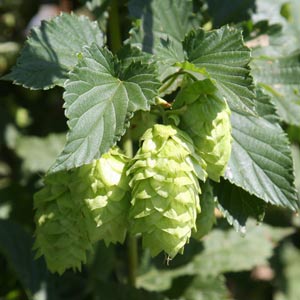
The Beer Hops
The hop plant, Humulus lupulus, is best known for its role in brewing beer, but it also makes an attractive and useful addition to the home garden. This vigorous climbing plant grows quickly and can provide lush green coverage, making it ideal for trellises, fences, and garden structures.
While brewers value hops for their distinctive flavour and aroma in beer, gardeners appreciate them for their rapid growth, interesting flowers, and ability to create natural shade in summer.
Whether you’re interested in brewing your own beer or simply want a fast-growing climber for your garden, hop plants are surprisingly easy to grow with the right conditions.
Gardener’s Plant Guide
Botanical Name: Humulus lupulus
Common Name: Hop Plant, Beer Hops
Plant Type: Herbaceous perennial climbing vine
Climate Zones:
- Australia: Cool temperate to warm temperate regions
- USA: USDA Zones 4–8
Sun Requirements: Full sun with some protection from extreme heat
Soil Requirements: Humus-rich, well-drained soil
Water Needs: Moderate to high during active growth
Mature Size: 1.5–2 m or more depending on support
Bloom Time: Summer
Native Area: Europe, western Asia, and North America
Plant Description
Humulus lupulus is a fast-growing climbing plant that produces long twining stems known as bines rather than true vines. These stems quickly scramble up trellises, fences, or other supports, creating a dense green screen during the growing season.
The plant features attractive green foliage and distinctive cone-shaped flowers. These cones are actually the female flowers of the plant and are the part used in brewing.
In beer production, hops add flavour, aroma, and stability to the brew. They balance the sweetness of malt sugars while also acting as a natural preservative.
For brewing, only the unpollinated female cones are harvested and used.
In the garden, hops provide lush seasonal growth and can be used to create shade or privacy screens during summer.
Growing Conditions
Hop plants grow best in sunny, frost-free locations with fertile soil.
They are typically grown from rhizomes or young plants, which are easier and faster than starting from seed. In suitable conditions, the plants grow rapidly during spring and summer.
In warmer climates, providing some protection from intense afternoon sun can help prevent stress during very hot weather.
Planting Guide
Hop plants are usually available as potted plants in spring and early summer, or as bare-root dormant crowns in autumn.
Because they are climbing plants, installing a trellis, fence, or vertical support before planting is essential.
How to plant hop plants
- Choose a sunny position with good air circulation.
- Remove weeds and prepare the soil thoroughly.
- Improve the soil with compost and well-rotted manure.
- Install a sturdy trellis or support structure.
- Plant the hop crown or seedling at the same depth it was growing previously.
- Water thoroughly after planting.
- Apply a liquid seaweed solution to encourage strong root development.
- Mulch around the plant to help retain moisture.
Spacing plants at least 1–2 metres apart allows room for vigorous growth.
Watering Needs
Hop plants require regular watering, especially during their rapid growth period in spring and summer.
Keep the soil consistently moist but not waterlogged. During dry periods, deep watering helps maintain healthy growth and good cone production.
Mulching around the base of the plant helps retain soil moisture and reduces competition from weeds.
Soil Requirements
Hops thrive in rich, humus-filled soil with good drainage.
Before planting, enrich the soil with:
- Compost
- Well-rotted manure
- Organic matter
Healthy soil promotes vigorous growth and helps support the plant’s heavy seasonal foliage.
Sunlight Requirements
Humulus lupulus performs best in full sun.
In very warm climates, a position that receives morning sun with light afternoon shade can prevent heat stress.
Good sunlight exposure encourages strong growth and better cone production.
Fertilizing
Hop plants are relatively hungry growers due to their rapid seasonal growth.
Before planting, incorporate compost and aged manure into the soil. During the growing season, occasional feeding with an organic fertilizer can support healthy foliage and cone development.
However, overly rich feeding can encourage excessive leafy growth at the expense of flowers.
Pruning and Maintenance
As climbing plants, hops benefit from some basic training and pruning.
- Guide young shoots onto the trellis as they grow.
- Remove weak or crowded shoots to improve airflow.
- Cut plants back to ground level during winter dormancy.
Because hops die back each winter and regrow in spring, they are relatively easy to maintain.
Common Problems
Hop plants are generally robust but can encounter a few issues.
Possible problems include:
Poor airflow: Can encourage fungal diseases.
Dry soil: May reduce growth and cone production.
Excess heat: Very hot conditions can stress plants.
Good spacing, regular watering, and healthy soil usually prevent most problems.
Propagation
Hop plants are most commonly propagated through rhizomes or crown divisions.
This method is reliable and ensures the new plant has the same characteristics as the parent variety.
Hops may also self-seed if allowed, although this is less common in cultivated gardens.
Landscape Uses and Garden Design
Beyond brewing, hop plants can play a useful role in garden design.
They are ideal for:
- Covering trellises and pergolas
- Creating summer shade
- Screening fences or unsightly areas
- Vertical garden features
- Kitchen or edible gardens
Their rapid growth makes them perfect for gardeners who want quick seasonal coverage.
Hop Varieties
Many hop varieties are available, each with slightly different flavours and characteristics.
Brewing varieties are typically classified as bittering hops or aroma hops, and often grouped as Noble, English, or American hops.
Some commonly grown varieties include:
- Chinook
- Pride of Ringwood
- East Kent Goldings
- Saaz
- Cluster
- Challenger
- Hallertau
- Hersbrucker
- Mount Hood
- Nugget
- Perle
- Précoce d’Bourgogne
- Tettnanger
- Target
- Willamette
- Wuerttemberger
- Golden Cluster
Home brewers often experiment with combinations of these varieties to create unique flavours.
Here is an additional section you can insert into the article after Propagation or before Practical Gardening Tips. It keeps the same tone and SEO style.
Harvesting Hop Cones
Hop cones are usually ready to harvest in autumn, although the exact timing will vary depending on climate and the variety being grown.
Knowing when to pick the cones is important for both brewers and gardeners. Harvesting too early can reduce flavour and aroma, while harvesting too late may lead to poor quality cones.
Signs Hop Cones Are Ready to Harvest
Ripe hop cones will show a few clear signs:
- The cones feel dry and papery rather than soft.
- They become slightly lighter in colour and may feel springy when squeezed.
- When gently rubbed, the cones release a distinct hop aroma.
- Inside the cone you may see a yellow powdery substance called lupulin, which contains the flavour compounds used in brewing.
If the cones still feel soft or damp, they usually need more time on the plant.
How to Harvest
Harvesting hops is straightforward and can be done by hand.
- Select mature cones and gently pull them from the stems.
- Avoid crushing them during harvest to preserve the aromatic oils.
- Collect the cones in a basket or container that allows airflow.
Some growers cut entire bines at harvest time and pick the cones from the stems on a table, which can make the process easier for larger plants.
Drying and Storing Hops
Freshly picked hops contain a lot of moisture and should be dried before storage.
- Spread the cones in a single layer in a warm, well-ventilated area.
- Turn them occasionally so they dry evenly.
- Drying may take several days depending on humidity.
Once fully dry, store hops in airtight containers or sealed bags in a cool, dark place. For long-term storage, many brewers keep dried hops in the refrigerator or freezer to preserve their flavour.
Properly dried and stored hops can remain usable for many months.
Practical Gardening Tips
- Always install strong supports before planting hops.
- Mulch around plants to retain moisture and improve soil health.
- Water regularly during summer growth.
- Choose hop varieties suited to your climate.
- Harvest the cones in autumn when they feel dry and papery.
With proper care, hop plants can remain productive for many years.
Conclusion
Humulus lupulus is a rewarding plant for both gardeners and home brewers. Its rapid growth, attractive foliage, and useful flower cones make it a versatile addition to the garden.
Whether you want to create a leafy summer screen or experiment with brewing your own beer, hop plants offer beauty, productivity, and plenty of gardening satisfaction.
Where To Buy
Bulleen Art and Garden
6 Manningham Road West, Bulleen, Victoria. 3105