
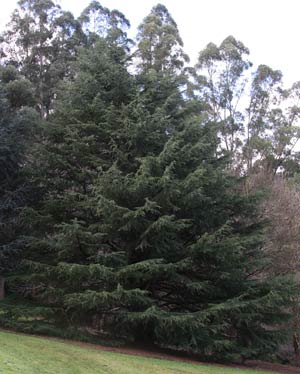
Conifer trees available from Australian nurseries offer incredible variety for gardens, from majestic feature trees and effective windbreaks to compact ground covers and container plants.
This diverse group includes familiar favourites like Abies (firs), Cedars, Cypress, Pines, Spruce, Tsuga (hemlocks), and many more. For instance, Cedrus deodara (Himalayan Cedar) brings graceful, stately elegance to larger spaces with its pendulous branches and soft needles
Common examples include the towering Redwood, classic Spruce, or the everyday Pine tree — though “pine” alone covers dozens of varieties. The term “conifer” simply refers to cone-bearing trees, mostly evergreen and prized for year-round interest.
- Landscaping Uses for Conifer Trees
- Best Conifer Trees for Australian Climates
- Regional Conifer Recommendations
- Dwarf and Low-Growing Conifers
- Top Dwarf Varieties for Small Spaces
- Popular Species and Varieties in Australia
- Growing Tips for Pots and Gardens
- Growing Conifers in Pots
- Other Uses For Conifer Trees
Landscaping Uses for Conifer Trees
- Evergreen foliage for constant structure, colour, and form
- Options for feature plants, privacy screens, hedges, or windbreaks
- Dwarf and low-growing types ideal for small gardens or pots
- Year-round appeal with varied textures, blues, golds, and greens
Often underrated, these plants deliver huge variety in size, shape, and colour — from compact dwarfs to large specimen trees. Many also support practical uses, like commercial timber or even edible pine nuts.
Explore our guides to conifer varieties below:
- Dwarf Conifers and Low-Growing Types — Perfect for ground cover, rockeries, or containers
- Full List of Conifer Genus and Species — Detailed profiles of popular types available in Australia
With so many options — including Australian natives like Hoop Pine or White Cypress alongside exotics — conifers bring reliable, low-maintenance beauty to any garden. Browse top nurseries online to find the right ones for your space!
Best Conifer Trees for Australian Climates
Australia’s climate is incredibly diverse, so the “best” conifer is always the one matched to your local conditions and garden size. From cool, misty highlands to hot inland regions and coastal gardens, there are adaptable conifers to suit almost every situation. Many modern selections also offer better drought tolerance and improved disease resistance, making them easier to grow in today’s changing climate.
When choosing conifers for Australian gardens, consider your climate zone, soil type, and available space before falling in love with a particular variety. Coastal and humid regions favour species like Norfolk Island Pine and Hoop Pine, while drier inland gardens suit cypress and drought-tolerant pines. Cooler, frost-prone zones open the door to classic spruces, firs, and many dwarf alpine conifers.
Regional Conifer Recommendations
- Cool–temperate and alpine (Tasmania, Blue Mountains, Victorian highlands): Many spruces (Picea), firs (Abies), Japanese Black Pine (Pinus thunbergii), and dwarf mountain pines thrive in cold winters and mild summers.
- Coastal and humid (Sydney, Brisbane, Melbourne bayside): Norfolk Island Pine (Araucaria heterophylla), Bunya Pine (Araucaria bidwillii), and Hoop Pine (Araucaria cunninghamii) enjoy consistent moisture and sea breezes.
- Hot and dry / inland (Adelaide Hills, Riverina): Mediterranean and Italian cypresses (Cupressus sempervirensforms), native Callitris species, and drought-tolerant pines are ideal for low-rainfall areas.
- Drought-tolerant conifers for SEQ (South East Queensland): Cupressus glabra, Pinus halepensis, and Callitris glaucophylla excel in humid summers with dry winters; pair with mulch for best results.
- Subtropical (Cairns, Gold Coast hinterland): Many junipers, pencil pines, and selected dwarf conifers cope well with humidity provided drainage is good.
If you garden in a marginal climate, look for varieties specifically promoted as heat- or drought-tolerant by Australian nurseries, as these have usually been tested locally.
Dwarf and Low-Growing Conifers
Dwarf and low-growing conifers are perfect for small gardens, courtyards, rockeries, and pots where space is at a premium. These compact plants offer evergreen structure and texture without the risk of outgrowing their spot, making them true “plant and enjoy” options for busy gardeners. Many also boast striking foliage colours — from steel blue to golden chartreuse — that add depth to planting schemes year-round.
Specialist Australian nurseries now carry dozens of miniature and dwarf selections in genera such as Pinus, Picea, Chamaecyparis, Cedrus, and Thuja. Growth is typically measured over 10 years, so you can choose with confidence for tight spaces, troughs, or raised beds. Link to: Dwarf Conifer Care
Top Dwarf Varieties for Small Spaces
- Cedrus libani ‘Hedgehog’ – Dense, low spreading dwarf form of Lebanese Cedar, ideal for rockeries.
- Chamaecyparis obtusa ‘Flabelliformis’ – Very slow-growing dwarf globe with fine fan-shaped dark green foliage.
- Chamaecyparis obtusa ‘Nana Gracilis’ – Classic, bun-shaped dwarf that becomes a broad cone over time, excellent in tubs or rockeries.
- Picea pungens ‘Montgomery’ – Compact spruce with stunning silver-blue foliage that becomes more conical with age.
- Picea sitchensis ‘Tenas’ – Dense globular Sitka Spruce, with bi-coloured blue-green needles.
- Pinus densiflora ‘Low Glow’ – Compact globe Japanese Red Pine with bright yellow-green needles, great as a small feature or bonsai subject.
- Pinus strobus ‘Sea Urchin’ – Dwarf, dense globe with short, soft bluish needles, ideal for a small rockery or container.
- Pinus thunbergii ‘Emery’s Dwarf’ – Tight dwarf Japanese Black Pine, popular for rockeries, mixed conifer beds, and bonsai.
- Thuja occidentalis ‘Danica’ – Delightful globe conifer for pots and borders, turning bronze-tinged in winter.
When planting dwarf conifers, give them enough room to reach their 10-year size — crowding them initially may look lush, but it creates maintenance headaches later.
Popular Species and Varieties in Australia
| Genus / Variety | Typical Use | Height / Habit (10–15+ yrs) | Notes |
|---|---|---|---|
| Cupressus sempervirens‘Glauca’ | Formal avenues, vertical accents | To 15 m high, ~1 m wide | Suited to most climates except tropics. |
| Cupressus sempervirens‘Swanes Golden’ | Accent, formal rows | Similar to ‘Glauca’, golden foliage | Strong vertical impact. |
| Juniperus chinensis‘Spartan’ | Hedging, screening | Up to 9 m, dense pyramidal | Fast-growing, self-shaping. |
| Cupressus ‘Nitschke’s Needles’ | Feature tree, screen | Upright, fine texture | Elegant evergreen. |
| Cedrus deodara | Large specimen | Very tall, pendulous branches | Larger gardens only. |
| Araucaria cunninghamii (Hoop Pine) | Native feature | Large evergreen to 60 m | Drought-tolerant native. |
| Callitris endlicheri | Native feature, dry sites | 6–12 m, narrow conical | Highly drought-tolerant. |
| Dwarf Chamaecypariscultivars | Rockeries, pots | Under 1 m in 10 years | Small gardens. |
| Dwarf Pinus / Picea | Rockeries, troughs | Compact forms | Collector plantings. |
For hedging and privacy, modern Leyland cypress like Cupressus leylandii ‘Better Green’ offers vivid foliage and disease resistance. Pencil pines and Spartan Juniper remain go-to choices for low-maintenance formal screening.
Growing Tips for Pots and Gardens
Soil and Site Preparation
- Drainage: Improve heavy soils with coarse organic matter; plant on mounds if needed.
- Soil pH: Neutral to slightly acidic suits most.
- Sun vs shade: Full sun preferred; some tolerate partial shade.
Mulch widely but keep it away from trunks to prevent rot.
Watering, Feeding, Pruning
- Watering: Deep water new plants; drought-tolerant once established.
- Fertiliser: Slow-release in spring; avoid high-nitrogen.
- Pruning: Light annual trimming for hedges; minimal for dwarfs.
Always check species-specific advice, as pruning tolerance varies.
Growing Conifers in Pots
- Potting mix: Premium free-draining; add sand for alpines.
- Container size: One-third of mature spread, with drainage holes.
- Watering: More frequent than garden plants.
- Feeding: Slow-release in spring plus liquid top-ups.
- Rotation: Turn pots for even growth.
Dwarf globes like Thuja ‘Danica’ make perfect “living sculptures” for patios.
Other Uses For Conifer Trees
And of course we have those used for commercial timber production as well as food production, for example ‘pine nuts’
Read About Conifer Tree Varieties
- Dwarf Conifers or Low Growing types for the garden
- A list of genus and species that make up what we broadly call ‘ conifers’
Where To Buy
Phone: 0411 435 314
Online Retailer of Landscaping Plants, large quantities of small pot sizes up to advanced sizes & plant Sourcing.
SYDNEY | NORTHERN NSW | GOLD COAST | BRISBANE | MELBOURNE | ADELAIDE
www.egardens.com.au
55 McDougal Rd Neerim South Victoria 3831 PH: (03) 56281507
Advanced ornamental trees and garden designs and concept plans. Direct to your property combined with specialist knowledge and outstanding service.
www.blericktreefarm.com.au

WINTER HILL TREE FARM Ph: 02 4878 9193 Fax: 02 4878 9109
NSW Southern Highlands
Retail & Wholesale. Advanced trees & hedging. Grown in pots for year-round planting. 45 litre - 1000 litre available. Great range. Great Quality. Delivery available.
www.winterhill.com.au