
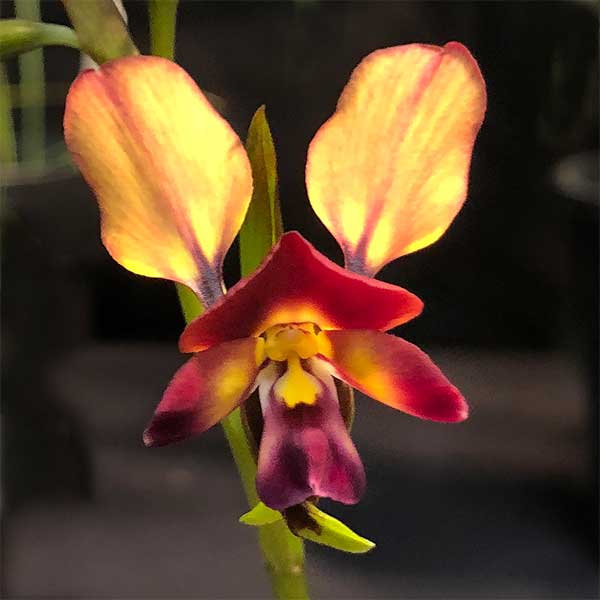
Giant Donkey Orchid
Diuris amplissima, commonly known as the Giant Donkey Orchid, is the largest flowering species within the Diuris genus. Native to the south-west of Western Australia, it’s a striking terrestrial orchid prized for both its size and vibrant coloration.
Natural Habitat & Distribution
This species is naturally found in forested regions between Bunbury and Albany, particularly around Mt Barker and Boyup Brook. It thrives in sandy soils, often near creeks, wetlands, and seasonal watercourses, making it well-adapted to woodland environments with good drainage and consistent moisture.
First formally described in 1991, Diuris amplissima has since become one of the more sought-after native orchids for enthusiasts and conservation groups.
Appearance
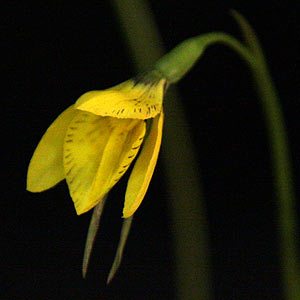
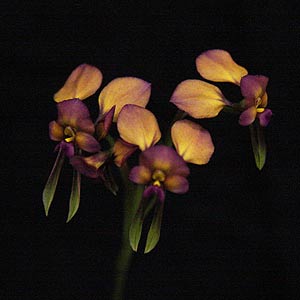
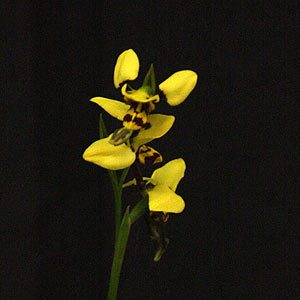
The Giant Donkey Orchid gets its name from the impressive width of its flower, which can reach up to 4.5 cm across. The blooms are a vivid yellow, often marked with red to brown patterns, creating a striking display during the spring flowering season.
The foliage is tall and grass-like, adding to the plant’s vertical presence, and the overall plant can grow up to 70 cm (27 inches) in height.
How to Grow Diuris amplissima
Growing Diuris amplissima can be challenging, especially for beginners, as this orchid has specific ecological requirements.
Propagation
- Seed propagation is the most effective method.
- Seeds must be collected when fully ripe.
- As with many terrestrial orchids, successful germination requires the presence of mycorrhizal fungi in the soil—critical for seedling development and survival.
For growers interested in cultivating this species, consulting organizations like the Australian Orchid Society or local native plant groups is highly recommended. These groups often provide access to resources, expert advice, and potentially, viable propagation material.
Quick Facts
| Feature | Detail |
|---|---|
| Botanical Name | Diuris amplissima |
| Common Name | Giant Donkey Orchid |
| Origin | South-western Western Australia |
| Position | Full sun to light afternoon shade |
| Soil | Sandy clay, moist but well-drained |
| Height | Up to 70 cm (27 inches) |
| Flower Size | Up to 4.5 cm across |
| Flowers | Yellow with red to brown markings |
| Flowering Season | Spring September – November |
| Foliage | Tall, grass-like leaves |


Why Diuris amplissima Matters
This orchid is not just visually impressive—it also plays a role in supporting local biodiversity. As a native species, it contributes to the ecological fabric of WA’s unique forest systems. For those passionate about conservation and native flora, growing Diuris amplissima is a rewarding way to engage with Australia’s botanical heritage.