
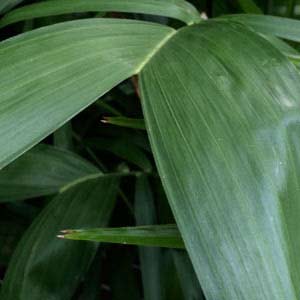
Bamboo Palm, Parlour Palm and Other Popular Chamaedorea Species
Chamaedorea species are among the most popular indoor palm plants grown throughout Australia. Valued for their attractive foliage, compact growth and ability to thrive in low light conditions, these palms have been used as houseplants for many decades.
Many species also perform well outdoors in sheltered tropical and subtropical gardens, particularly when grown in filtered light beneath larger trees.
Available for sale in a range of sizes, Chamaedorea palms are well suited to pots, containers, shopping centres, office buildings and indoor living spaces. Their elegant foliage and relatively easy care requirements make them some of the best indoor palms available.
Quick Facts
| Feature | Details |
|---|---|
| Botanical Name | Chamaedorea species |
| Common Names | Bamboo Palm, Parlour Palm, Reed Palm |
| Plant Type | Evergreen Palm |
| Origin | Central and South America |
| Growth Rate | Slow to Moderate |
| Height | 1–3 metres depending on species |
| Position | Bright filtered light to shade |
| Soil | Moist, humus-rich, free-draining |
| Frost Tolerance | Low |
| Drought Tolerance | Moderate once established |
| Indoor Suitability | Excellent |
Why Grow Chamaedorea Palms?
Few palm species are as adaptable as Chamaedorea. Their ability to cope with lower light levels has made them one of the most widely grown houseplant palms in the world.
Benefits include:
- Attractive tropical foliage.
- Excellent indoor performance.
- Suitable for pots and containers.
- Adaptable to lower light conditions.
- Relatively easy maintenance.
- Suitable for homes, offices and commercial spaces.
Many species are also regarded as air-purifying plants, helping improve indoor environments while adding a lush tropical appearance.
Popular Chamaedorea Species
Chamaedorea seifrizii – Bamboo Palm
The Bamboo Palm is probably the best-known species in the genus.
It grows in clusters of slender cane-like stems, giving it the appearance of bamboo. Mature plants can eventually reach 2–3 metres in height and are commonly used as indoor screening plants or patio specimens.
It is sometimes also sold as the Reed Palm.
Chamaedorea elegans – Parlour Palm
Chamaedorea elegans is smaller growing than the Bamboo Palm and remains one of the most popular houseplant palms worldwide.
Its compact habit, attractive arching foliage and tolerance of low light conditions make it an excellent choice for homes, offices and apartments.
This species is often the preferred choice where space is limited.
Other Species
Other Chamaedorea species available in Australia include:
- Chamaedorea atrovirens (Cascade Palm)
- Chamaedorea cataractarum (Cat Palm)
- Chamaedorea metallica (Metallic Palm)
- Chamaedorea microspadix
- Chamaedorea oblongata
Each offers slightly different foliage, growth habits and mature sizes.
Comparison of Popular Species
| Species | Common Name | Height | Growth Habit | Indoor Suitability |
|---|---|---|---|---|
| Chamaedorea seifrizii | Bamboo Palm | 2–3m | Clumping canes | Excellent |
| Chamaedorea elegans | Parlour Palm | 1–2m | Compact clump | Excellent |
| Chamaedorea cataractarum | Cat Palm | 1.5–2m | Dense clump | Very Good |
| Chamaedorea metallica | Metallic Palm | 1–1.5m | Compact | Excellent |
Growing Conditions
Understanding the natural habitat of Chamaedorea species makes growing them much easier.
These palms originate as understorey plants in Central and South American rainforests where they receive filtered light, high humidity and consistent moisture.
For best results provide:
- Bright filtered light.
- Protection from direct afternoon sun.
- Humus-rich soil.
- Consistent moisture.
- Good drainage.
- Protection from cold winds.
How to Grow Bamboo Palm in Pots
Bamboo Palms grow exceptionally well in containers.
Planting
- Choose a quality free-draining potting mix.
- Select a pot only slightly larger than the original container.
- Water the plant before repotting.
- Disturb the roots as little as possible.
- Position the plant at the same soil level as it was originally growing.
- Water in with a liquid seaweed fertiliser.
Ongoing Care
Chamaedorea palms require relatively little maintenance.
Watering
Keep the soil lightly moist but never waterlogged.
- Water when the top layer of soil begins to dry.
- Reduce watering during cooler months.
- Use room-temperature water where possible.
- Avoid allowing pots to sit in water.
Fertilising
Apply a slow-release fertiliser in spring or feed with a liquid fertiliser during the growing season.
Avoid excessive fertiliser as this may lead to soft growth and leaf damage.
Repotting
Most Chamaedorea species only require repotting every three to four years.
Move the plant into a container only one size larger than the existing pot.
Cleaning Bamboo Palms
Indoor plants often accumulate dust on their foliage.
Leaves can be gently cleaned using a damp cloth or soft sponge. This improves appearance and helps maximise photosynthesis.
Many gardeners also move their plants outdoors into a sheltered shaded position for a few weeks during warmer weather, which helps freshen foliage and encourage healthy growth.
Common Problems
Brown Leaf Tips
Usually caused by:
- Low humidity.
- Irregular watering.
- Salt build-up from fertilisers.
Yellow Leaves
Can indicate:
- Overwatering.
- Poor drainage.
- Nutrient deficiencies.
Slow Growth
Most species are naturally slow growing, however inadequate light or nutrient deficiencies can further reduce growth rates.
Landscaping Uses
Outdoors, Chamaedorea species are excellent for:
- Tropical gardens.
- Courtyard gardens.
- Underplanting beneath trees.
- Poolside plantings in shaded locations.
- Container displays.
- Sheltered subtropical gardens.
Their fine foliage contrasts well with larger-leaved tropical plants such as gingers, philodendrons and heliconias.
Where To Buy

685 Mickleham Rd, GreenVale,Vic 3059
Grass trees, palms, ferns, bromeliads, cycads, cordylines, yucca, bannanas, birds of paradise, succulents, dracaenas, ponytails, for all gardens sizes from small to large landscaped gardens. Advanced Date Palms available.
www.palmnursery.com.au/index.htm
300 Oxley Drive Coombabah QLD 4216
Located on the north end of the Gold Coast at Runaway Bay. The 6 acre site is home to Queensland's biggest & best garden centre. Selling in volume direct to the public. Focus on top quality both in our plant & pot ranges.
www.rossevansgardencentre.com.au