
A Superfruit with Tropical Charm
The Açaí berry palm (Euterpe oleracea), also known as the açaí palm tree, is a striking, multi-stemmed tropical plant celebrated for producing the nutrient-rich açaí berry. Native to the Amazon rainforest, this elegant açaí fruit tree thrives in warm, humid environments and has become a favorite in both commercial fruit cultivation and tropical landscaping.
Increasing demand for the açaí berry fruit has led to a rise in interest among home gardeners, permaculturists, and tropical plant collectors. Today, you can even find açaí berry plants for sale in select nurseries and online.
Acai Palms are grown for the acai berries. The berries of the acai palm are reputed to be very high in anti oxidants. Acai Palms ( Euterpe Oleracea) are originally from South America, and prefer a moist humus rich soil. So if you wanted fresh fruit, which is what is used in Brazil, you would need to grow your own tree.
The Açaí Berry – Nature’s Superfruit
The açaí fruit, produced by the açaí berry plant, is a small, dark purple drupe resembling a blueberry. These berries are loaded with antioxidants, fiber, and essential fatty acids. Whether enjoyed in smoothie bowls, frozen pulp, or supplement form, the açaí berry has earned its place as a global superfood.
While the berry steals the spotlight, the entire açaí berry palm tree adds aesthetic and ecological value to gardens and landscapes with its graceful structure and wildlife appeal.
Açaí Berry Plant Features & Growth Habit
- Type: Tropical clumping palm tree
- Height: Grows up to 15–25 meters (50–80 ft)
- Stems: Multiple slim trunks from one root base
- Fronds: Long, arching, feather-like leaves up to 3 meters
- Fruit: Dark purple açaí berries in large hanging clusters
This fast-growing açaí berry bush creates a lush, vertical accent in tropical gardens. Its clumping nature allows for dense planting, and mature plants can yield abundant fruit when properly cultivated.
How to Grow Açaí Trees – Basic Care
Growing an açaí berry plant can be incredibly rewarding, especially in the right climate. Here’s how to care for your açaí berry tree:
Ideal Climate for Açaí Berry Plants
The açaí palm tree is strictly tropical. It’s best suited for Queensland or USDA zones 10–11 or similar subtropical and equatorial regions. If you live in a cooler climate, consider purchasing a container-grown açaí plant for sale and overwintering it indoors.
Sunlight Requirements
• Thrives in full sun to partial shade
• Prefers 6–8 hours of sunlight daily
• Young açaí berry palms may need afternoon shade in extreme heat
Soil Preferences
• Grows best in rich, well-draining soil
• Prefers sandy loam with high organic matter
• pH range: 5.5–6.5
Avoid heavy clay soils. Good drainage is critical to prevent root rot in this moisture-loving açaí berry plant.
Watering Schedule
• Keep soil consistently moist
• Deep watering is essential, especially in dry or hot climates
• Ensure containers have drainage holes and retain moisture
Fertilization Tips
• Use a balanced slow-release palm fertilizer during spring and summer
• Boost with liquid seaweed or fish emulsion every 4–6 weeks
• Mix in compost or aged manure for added fertility
Temperature Tolerance of Açaí Trees
• Optimal temperature: 25–35°C (77–95°F)
• Tolerates short drops to 15°C (59°F), but extended cold damages the plant
• Not frost-tolerant – must be brought indoors or protected in winter
Maintenance & Pruning
• Requires little pruning – remove dead or broken fronds only
• Produces many suckers – thin out for aesthetic purposes if needed
• After fruiting, older stems can be pruned to encourage new growth
This makes the açaí berry bush relatively low-maintenance, perfect for tropical and permaculture-style gardens.
Propagating Açaí Berry Plants
From Seed
• Start from fresh açaí seeds for best results
• Soak seeds for 24 hours, then sow in warm, moist conditions
• Germination takes 1–3 months—be patient!
By Division
• Well-rooted offshoots (pups) can be carefully separated and replanted
• Less common, but useful for expanding a clump-forming açaí berry bush
Açaí Palm Varieties & Related Species
The main species cultivated for fruit is Euterpe oleracea, but other related palms include:
• Euterpe precatoria – Also produces edible berries, native to western Amazonia
• Euterpe edulis – Known as juçara, endangered but once used similarly
• Euterpe longivaginata – Rarely used, more ornamental in nature
Where to Buy Açaí Berry Plants
Looking to grow your own açaí berry tree? There are some nurseries offering açaí berry plants for sale – both locally and online. When shopping for an açaí berry plant for sale, choose a reputable seller that offers healthy, well-rooted plants ready for transplanting.
Top Tip: Young palms may take 3–5 years to fruit, so plan ahead if you’re aiming for homegrown açaí berries!
Fast Facts About the Açaí Berry Plant
The açaí fruit tree can be harvested year-round, with peak fruiting from July to December.
- The berries of the Acai palm are often picked and turned into a juice drink used as a health supplement. Plants are increasingly available for sale and the berries are widely used for diets and juice.
- Originally from the rain forests of Brazil, the fruit does taste great, however the health benefits may just be a little overstated. It is high in antioxidants, Vitamin C, Amino acids and is a good source of fibre. Its really the claims about being good for weight loss, is a cure for depression as well as arthritis that have very little basis in fact. Native communities in Brazil rely heavily on açaí berries as a staple food.
- The palm’s heart of palm is also edible, though harvesting it can harm the plant.
- Açaí palms support biodiversity, attracting birds, insects, and other beneficial wildlife.
- Their tall, graceful form makes them ideal for windbreaks, privacy screens, or focal points in garden design.
Acai palms are not widely available except in some specialist tropical fruit nurseries, however seed has been imported and acai palms should be more widely available within a year or two. Acai Palms are also a source of edible palm hearts.
The berries are expensive for two reasons, the fruit is small and the stone or pip is big. The berries also need to be harvested and processed ( freeze dried) very quickly to have any chance of retaining all of those nutritional benefits.
Acai Palm – Summary Information.
- Climate – Tropical to sub tropical, warmth and humidity
- Soil – Requires a moist very fertile soil.
- Position – Full sun to part shade.
- Height – Can reach 8 metres and more, dwarf varieties are said to be available.
- Spread – Will form a crown to 4 metres across
- Foliage – Typical palm fronds.
- Flowers – Creamy brown in bracts, followed by clusters of pale fruit which turn a deep purple when ripe.
- Flowering period – will flower twice a year in good conditions.
- Frost Tolerant – No
- Drought tolerant – No
Companion Plants for Açaí Berry Palms
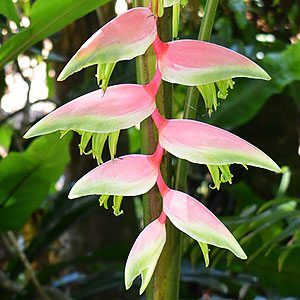
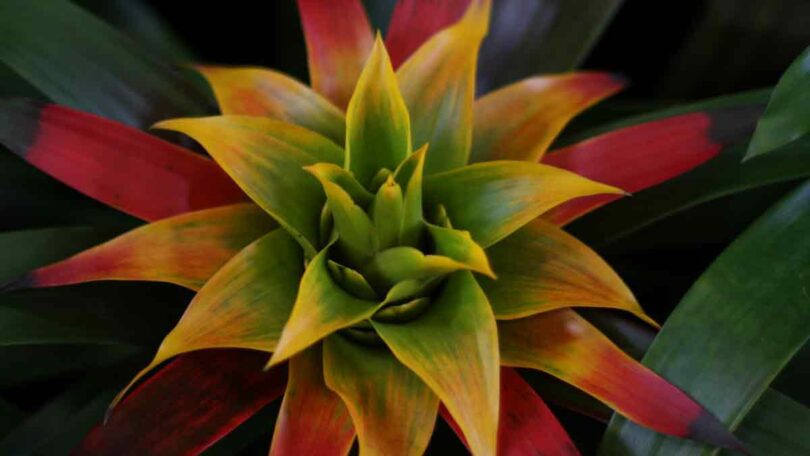
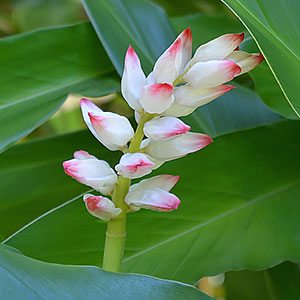
Create a tropical paradise by pairing your açaí berry plant with these lush companions:

- Banana (Musa spp.)
- Taro (Colocasia esculenta)