Quick Facts
Botanical Name: Campanula vidalii (syn. Azorina vidalii)
Common Names: Azores Bellflower, Madeiran Bellflower
Plant Type: Short-lived perennial
Height: 60 – 70cm in flower
Spread: 40 – 60cm
Flower Colour: Pink or white
Flowering Season: Summer to autumn
Foliage: Thick, glossy green leaves
Position: Part shade to full sun in cooler climates
Soil: Humus rich, well-drained soil
Water Needs: Moderate
Frost Tolerance: Low
Growth Rate: Moderate
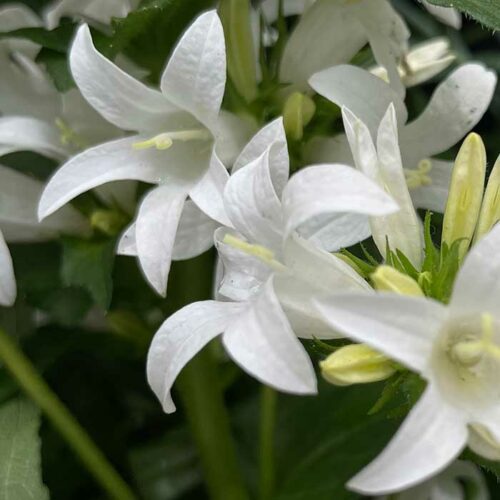
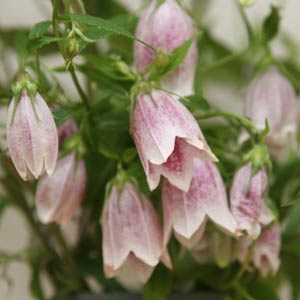
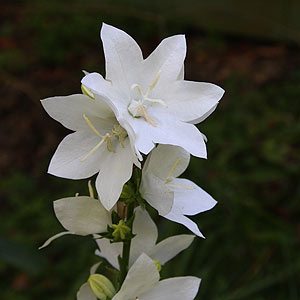
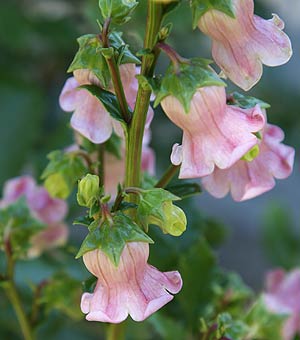
Not widely seen in cultivation, Campanula vidalii (syn. Azorina vidalii) is a lovely and unusual flowering perennial with either white or pink waxy bell shaped flowers appearing through the warmer months.
Although it can take a year or two to begin flowering, patience is rewarded. Once established, this attractive Azores Bellflower produces masses of blooms on tall flower spikes that rise well above the foliage.
The foliage is thick and glossy, almost succulent in appearance, and remains attractive throughout the year. Native to the Azores Islands, this plant is commonly known as the Azores Bellflower, Madeiran Bellflower and Azorina vidalii, however it remains a member of the Campanula family.
As the flower spikes form, Campanula vidalii can reach nearly 70cm in height in good conditions. The combination of lush foliage and elegant pink bell flowers or white bell flowers makes it a standout plant in the cottage garden.
Campanula vidalii Care
When it comes to Campanula vidalii care, this is a surprisingly easy plant to grow provided you do not fuss over it too much. Given the right conditions it will settle in quickly and flower reliably for many years.
It does require a humus rich, free draining soil and can be planted in the cottage garden where it will often self seed. The foliage looks good throughout the year and once established it will provide masses of flowers season after season.
Light
Campanula vidalii performs best in part shade, especially in warmer Australian climates. It will tolerate more sun in cooler regions provided adequate moisture is available.
As a shade tolerant flowering plant, it is useful for brightening lightly shaded areas where many flowering perennials struggle.
Soil
A humus rich, well-drained soil is essential. Improve heavier soils with compost and organic matter before planting. Good drainage is particularly important during winter.
Watering
Water regularly while plants are establishing. Once established, Campanula vidalii is reasonably resilient but performs best with consistent moisture during the growing season.
Avoid waterlogged conditions which can lead to root problems.
Fertiliser
Apply compost or a slow release fertiliser in spring. An occasional application of seaweed solution during the growing season will help maintain healthy growth.
Frost Protection
Protection from frost is essential, especially for young plants. In colder regions grow Campanula vidalii in a protected position or near a wall where it receives some shelter from winter conditions.
General Maintenance
Remove spent flower spikes once flowering has finished and allow some flowers to set seed if you wish the plant to self sow around the garden.
Landscaping Uses
Campanula vidalii is an excellent choice for:
- Cottage gardens
- Coastal gardens
- Mediterranean style plantings
- Shaded borders
- Woodland gardens
- Containers and large pots
- Informal perennial gardens
Its attractive foliage provides year-round interest while the flower spikes add height and colour during summer. As an unusual flowering perennial, it works particularly well as a feature plant among lower growing perennials.
The soft pink and white flowers combine beautifully with salvias, penstemons, foxgloves and other cottage garden favourites.
Propagation
This is a perennial, although one with a relatively short lifespan. Fortunately it produces viable seed and will often self seed in favourable conditions.
Seed can be collected once mature and sown into a free-draining seed raising mix. Germination is generally reliable, however plants can take 3–4 years to reach flowering size, so patience is required.
Allowing plants to self seed naturally is often the easiest method of maintaining a population in the garden.
Because of its relatively short lifespan, it is worthwhile collecting seed regularly to ensure replacement plants are always coming through.
Summary
For gardeners looking for something a little different, Campanula vidalii is well worth seeking out. The attractive glossy foliage, elegant pink or white bell flowers and easy-going nature make this rare Azores Bellflower a rewarding addition to cottage gardens and shaded borders.
More Campanula Species