
Quick Facts
Botanical Name: Campanula glomerata
Common Name: Clustered Bellflower
Plant Type: Herbaceous perennial
Height: 20cm – 50cm depending on variety
Spread: Slowly spreading clump
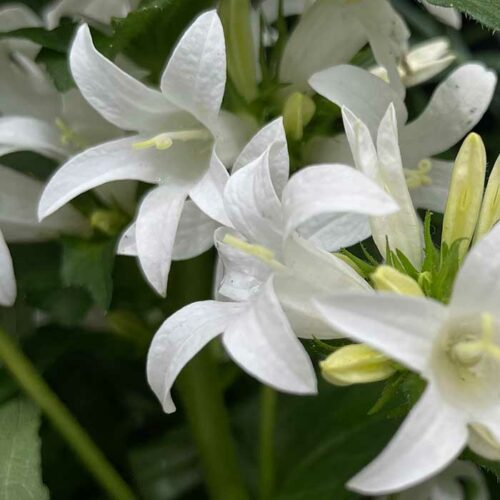
Flower Colour: Purple, violet-blue or white
Flowering Season: Spring to summer
Foliage: Green, clump-forming
Position: Full sun to part shade
Soil: Humus rich, well-drained soil
Water Needs: Moderate
Frost Tolerance: High
Also known as the Clustered Bellflower, Campanula glomerata comes in a number of varieties that are well suited to growing in the perennial border or cottage garden.
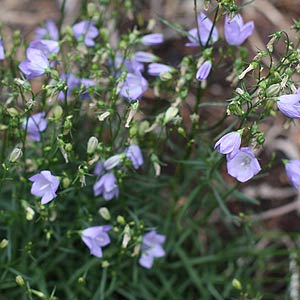
As the common name suggests, the flowers form in dense clusters atop sturdy stems from spring through to summer. The masses of blooms create an eye-catching display and make this one of the most attractive cottage garden perennials for mixed plantings.
The species has a slow spreading suckering habit but is not invasive in our garden. Over time it forms attractive clumps that gradually increase in size without becoming troublesome.
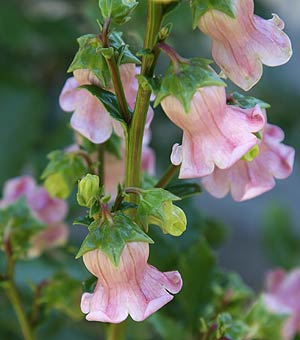
Flowers are useful for cutting, especially the taller varieties. The lower growing forms are excellent for planting between small upright shrubs and roses where the clusters of purple bell flowers or white bell flowers provide a welcome splash of colour.
Campanula glomerata Varieties
One of the attractions of Campanula glomerata is the range of cultivars available, making it easy to find a form suitable for different garden situations.
Campanula glomerata
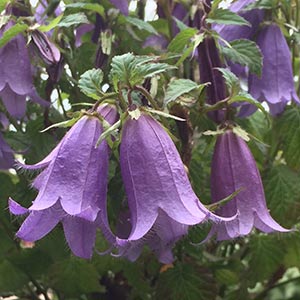
The species form reaches around 50cm in height with attractive violet-purple flowers carried in dense clusters.
Campanula glomerata ‘Nana’
A compact form growing to around 20cm in height, making it ideal for the front of borders, rockeries and smaller gardens.
Campanula glomerata Alba
A beautiful white flowering variety that provides contrast among darker flowering perennials.
Campanula glomerata ‘Crown of Snow’
One of the best white forms, producing attractive white flowers on stems to around 50cm.
Campanula glomerata ‘Superba’
A vigorous variety with rich purple-blue flowers to around 50cm, similar in appearance to the species but often with larger flower clusters.
Campanula glomerata Care
When it comes to Campanula glomerata care, this is a reliable and easy perennial provided it is given good soil and adequate moisture during the growing season.
Light
The best position is full sun to part shade. In Australian gardens we suggest some protection from the heat of the afternoon sun, particularly in warmer regions where summer temperatures can be intense.
Soil
All varieties prefer a humus rich, moist but well-drained soil. Incorporating compost before planting will help improve both moisture retention and soil structure.
Watering
Regular watering during dry periods will encourage stronger growth and a longer flowering season. Established plants are reasonably tolerant of short dry spells but perform best when soil moisture remains consistent.
Fertiliser
An annual application of compost or a balanced slow-release fertiliser in spring will keep plants growing strongly and flowering well.
Maintenance
Remove spent flower stems after flowering to tidy the plant and encourage fresh growth. Established clumps can be divided every few years if they become crowded.
Landscaping Uses
Campanula glomerata is a versatile plant with many uses in the garden.
- Cottage gardens
- Traditional perennial borders
- Mixed flower beds
- Rose gardens
- Informal garden plantings
- Pollinator-friendly gardens
- Cutting gardens
The taller forms work particularly well among salvias, delphiniums and foxgloves, while the compact varieties are excellent at the front of borders. The clustered flowers add colour and texture while blending naturally with other perennial border plants.
Propagation
Propagation is easy from basal cuttings or by division of established clumps in spring.
Place newly divided clumps in a cool position and keep moist until new growth begins, indicating that a strong root system has developed.
Division is the quickest and most reliable method of increasing stock, although seed can also be collected and sown if desired.
As plants slowly spread over time, division every few years is often enough to maintain a healthy supply of plants for the garden.
Summary
For gardeners looking for a reliable flowering perennial, Campanula glomerata is difficult to overlook. With its clusters of purple, blue or white flowers, easy care requirements and suitability for cottage gardens and perennial borders, the Clustered Bellflower remains one of the best long flowering Campanula species for Australian gardens.
More Campanula Varieties

Where To Buy
PO Box 7040 Leura NSW 2780
Rare woodland plants, Trilliums Epimediums, Arisaemas, plus much more.www.lynnsrareplants.com.au