
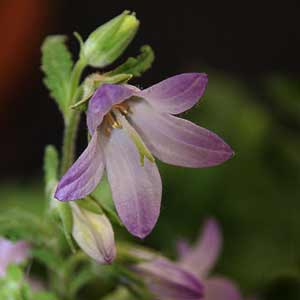
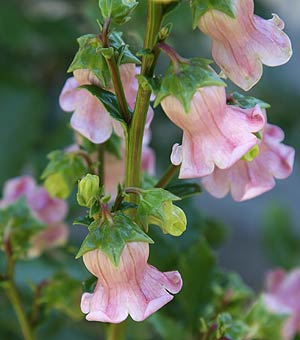
Few old-fashioned garden flowers are as recognisable as Canterbury Bells. With their tall stems and large colourful bell-shaped flowers, they have been a favourite in cottage gardens for generations.
The plants that we call Canterbury Bells are usually the species Campanula medium, although there are many other Campanula species available. Common in gardens from Melbourne to Sydney, they are traditionally treated as biennial flowering plants, however in Australia they often behave differently.
While Canterbury Bells are generally regarded as biennials, our warmer climate means they frequently self-seed and continue growing year after year. In our garden they simply keep going, although flowering tends to be more prolific if plants are renewed every two or three years.
They flower from late spring through summer and with so many cultivars available the name Canterbury Bells can become a little confusing. One of the better known varieties is Campanula medium ‘Calycanthema’.
So why the common name? The answer is simple enough, the flowers are shaped like bells. The Canterbury part comes from the famous bells of Canterbury Cathedral in England.
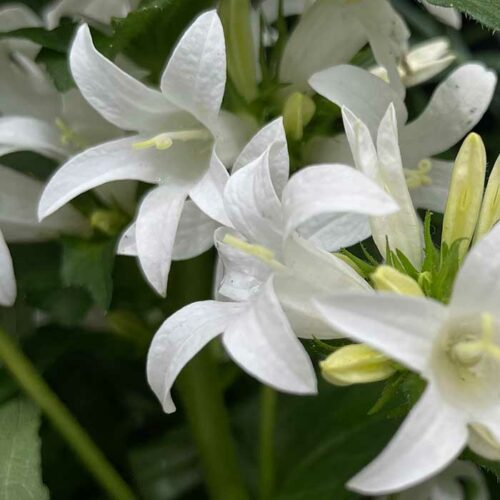
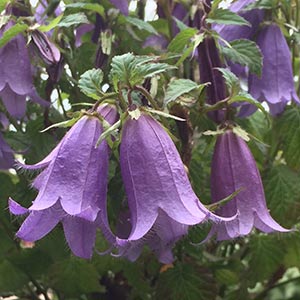
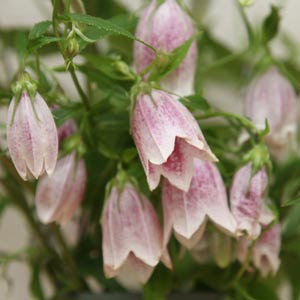
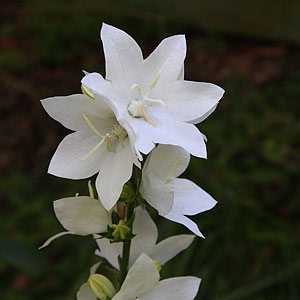
These attractive cottage garden flowers are usually planted from autumn through winter and flower the following season. Colours range from soft whites and blues through to pinks and deeper shades of purple.
As a biennial they traditionally flower in their second year, however in Australian gardens they often persist through self-seeding, creating an ongoing display with very little effort.
Quick Facts
Botanical Name: Campanula medium
Common Name: Canterbury Bells
Plant Type: Biennial or short-lived perennial
Height: 80cm – 1.2m
Spread: 30 – 50cm
Flower Colour: White, pink, blue and purple shades
Flowering Season: Late spring through summer
Position: Full sun to part shade
Soil: Humus rich, well-drained soil
Water Needs: Moderate
Frost Tolerance: Moderate
Best Feature: Large bell-shaped flowers on tall stems
Campanula medium Care
These are tall growing plants to over 1m, although they grow well in full sun, in the hot Australian summer Canterbury Bells often better with some protection from the hot afternoon sun. Although they are not really a moisture hungry plant they will do a little better in a humus rich moist soil. Keep well fertilized for best results.
In Australia, seeds are often the best solution although seedlings are available in good nurseries.
Light
Although Canterbury Bells grow well in full sun, they often perform better in Australian gardens with some protection from hot afternoon sun, especially in warmer regions.
Soil
For best results grow Canterbury Bells in a humus rich, well-drained soil. Incorporating compost before planting will improve moisture retention and encourage stronger flowering.
Watering
Keep plants moist while establishing. Once established they are reasonably hardy, however regular watering during extended dry periods will improve flowering performance.
Fertiliser
Canterbury Bells respond well to feeding. Apply a general purpose fertiliser in spring and again as flower stems begin to develop.
Mulching
Mulch around plants to help maintain a cool root run and conserve moisture during warmer weather.
Deadheading and Pruning
Plants can be deadheaded to encourage a second flush of flowers. Once flowering is finished, cut plants back to tidy growth and allow self-seeding if you wish to maintain a natural colony.
How to Grow Canterbury Bells from Seed
Growing Canterbury Bells from seed is straightforward and often the most economical way to establish plants.
Seeds can be sown during winter in a greenhouse, cold frame or indoors. In Australia, seed is often the easiest method of propagation, although seedlings are commonly available from good nurseries.
As a biennial, flowering normally occurs in the second season after sowing, although self-seeded plants often create a continuous display in established gardens.
Spring cuttings can also be taken from vigorous young growth.
Landscaping Uses
Campanula medium is a versatile garden plant and works particularly well in:
- Cottage gardens
- Traditional perennial borders
- Cutting gardens
- Mixed flower beds
- Pollinator-friendly gardens
- Informal country gardens
The tall flower spikes add height and colour to garden beds and combine beautifully with foxgloves, delphiniums, salvias and roses.
As one of the classic tall flowering perennials for cottage-style gardens, Canterbury Bells are particularly effective when planted in groups.
Summary
Although many Campanula species are available, it is Campanula medium that gardeners generally refer to as Canterbury Bells.
With their tall flower spikes, colourful bell-shaped blooms and easy-going nature, these traditional cottage garden flowers remain as popular today as ever. Whether grown as biennials or allowed to self-seed naturally, Canterbury Bells reward gardeners with months of colour from spring through summer.
Plant them in a sunny position with protection from hot afternoon sun, keep them reasonably moist, fertilise regularly and enjoy one of the finest old-fashioned garden flowers for Australian gardens.
You may also like