
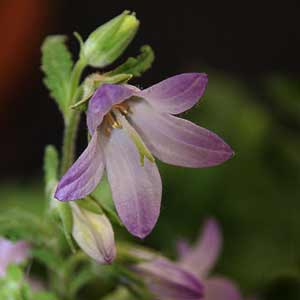
Long Flowering Bellflowers for Borders, Ground Covers and Cottage Gardens
Looking for a hardy, long-flowering perennial that brings colour to the garden year after year? Campanula, commonly known as Bellflowers, are among the most versatile flowering perennials available. Whether you need a flowering ground cover, a cottage garden favourite, or a colourful plant for containers and hanging baskets, there is a Campanula to suit.
Gardeners love Campanulas for their beautiful bell-shaped flowers, ease of care and ability to thrive in a wide range of garden situations. With nearly 300 species available, they range from low-growing mat-forming varieties through to tall, upright plants that make excellent border features.
Flower colours range from pure white through to soft pinks, mauves and rich blues, often appearing from late spring well i
Quick Facts
Height: 15 cm to 1 m depending on species
Spread: 30 cm to 1 m
Position: Full sun to part shade
Soil: Humus-rich, well-drained soil
Flower Colour: White, pink, mauve, blue and violet
Flowering Time: Spring to summer
Foliage: Deciduous perennial foliage
Growth Rate: Moderate to fast
Frost Tolerance: Good once established
Drought Tolerance: Moderate after establishment
Growing Conditions
Climate
Campanulas perform well in cool to temperate climates and are suitable for many Australian gardens.
Position
Most varieties prefer:
- Full sun
- Light afternoon shade in warmer regions
- Good air circulation
Soil
For best results provide:
- Humus-rich soil
- Good drainage
- Neutral to slightly alkaline pH
Heavy soils can be improved by adding compost and organic matter before planting.
How To Grow Campanula – Basic Care
Most species generally require a sunny position and fertile soil. They can be cut back after flowering to encourage further blooms and are usually dormant during winter.
Watering
Keep plants watered while establishing. Mature plants are reasonably drought tolerant but flower best with occasional deep watering during extended dry periods.
Mulching
Apply compost, leaf mould or organic mulch around plants to conserve moisture and improve soil quality.
Fertilising
Top dress with compost and aged cow manure in late winter to encourage healthy growth and abundant flowering.
Pruning
Deadhead spent flowers regularly.
After the main flowering period, cut plants back to encourage a second flush of blooms. As foliage dies back in autumn, prune plants to ground level.
Propagation Techniques
Propagation is from division or from seed, and once established they are really an easy care plant.
Propagation from Seed
For lots of plants, or to grow more varieties propagation from seed is a good method:
Generally sowing seeds in early spring in trays or punnets is recommended.
- Prepare a seed tray with moist potting mix or seed-starting mix.
- Sprinkle seeds thinly on the surface, pressing lightly without covering, as they need light to germinate.
- Keep the tray in a warm, bright location (18-21°C) and maintain consistent moisture by misting regularly.
- Germination usually occurs within 2-3 weeks; once seedlings have 3-4 true leaves or are about 7-10 cm tall, thin or transplant them into individual pots.
- Harden off seedlings by gradually exposing them to outdoor conditions before planting them out in well-draining soil with good sun exposure.
Propagation By Division
- In early spring, dig around the mature plant about 20 cm away from the base to avoid root damage.
- Carefully lift the clump from the ground with a garden fork or spade.
- Separate the clump into smaller sections by hand or with a clean knife, ensuring each division has roots and shoots.
- Replant the divisions at the same depth in prepared soil that drains well and receives full to partial sun.
- Water the newly planted divisions thoroughly and keep soil moist until they establish.
5 Reasons to Grow Campanulas
- Long Blooming Period:
Campanulas offer a lengthy flowering season, often from late spring to early autumn, providing beautiful, bell-shaped blooms for months. - Versatile Garden Use:
They thrive in various settings—garden beds, borders, rock gardens, containers, and hanging baskets—suited to both formal and cottage garden styles. - Attractive to Pollinators:
Their flowers attract bees, butterflies, and other beneficial pollinators, helping promote a healthy garden ecosystem. - Low Maintenance:
Campanulas are generally easy to grow and resilient, with many species tolerating partial shade and varying soil types. - Wide Variety of Forms & Colours:
From ground-hugging mats to tall spires, and flower colors ranging from blue, purple, white, and pink, campanulas add diversity and charm to any garden.
Landscaping Uses for Campanula
One of the great strengths of Campanula is its versatility.
Use low-growing species as:
- Ground cover plants
- Rock garden plants
- Retaining wall plantings
- Edging plants
- Hanging basket specimens
Taller varieties work well as:
- Cottage garden features
- Perennial borders
- Mixed flower beds
- Pollinator gardens
- Informal mass plantings
Campanulas combine beautifully with:
- Salvia
- Nepeta (Catmint)
- Lavender
- Dianthus
- Achillea
- Delphinium
The blue and purple flowering forms are especially useful for cooling colour schemes and creating naturalistic garden designs.
Some Campanula Varieties
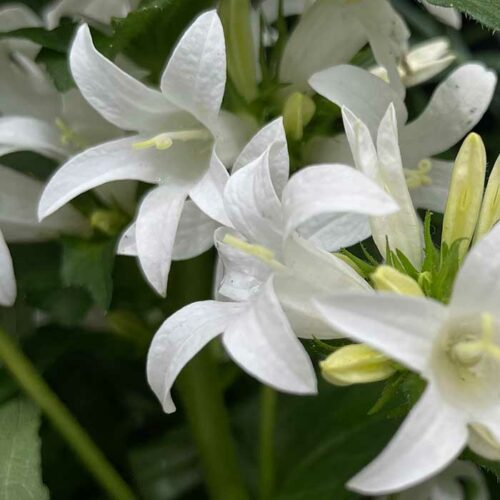
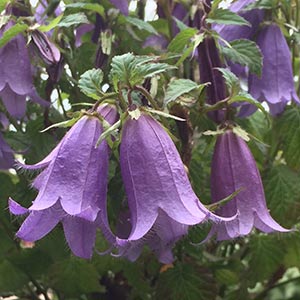

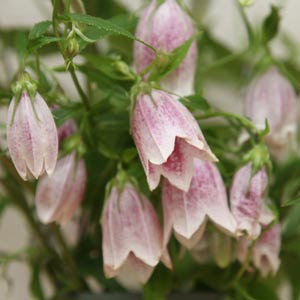
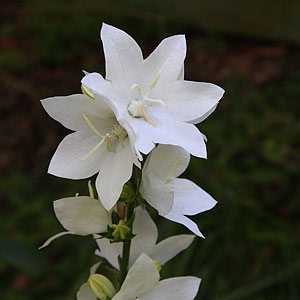
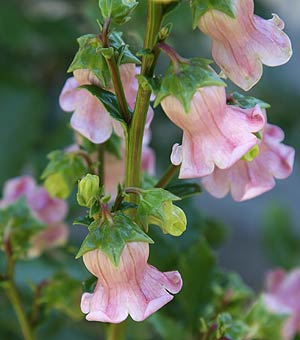
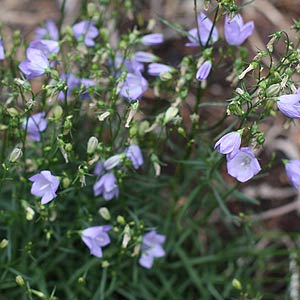
- C. portenschlagiana and C. longistyla are other species worth considering.
- C. grossekii with its violet blue starry bell shaped flowers is long flowering, will reach nearly 1m in height and it spreads slowly.
Where To Buy

470 Monbulk-Silvan Road Monbulk VIC 3793
"Guaranteed mail order flowering bulbs, perennials, roses, trees, landscaping plants, garden accessories and community fundraising Austra lia-wide."
www.gardenexpress.com.au

Little Hampton, Vic 345
"Mail order nursery specialising in cottage garden perennials, flowering shrubs, Trilliums, Hostas and Pacific Coast Iris. Flat rate express postage - Except WA & TAS"
www.botanicaltreasures.com

357 Monbulk Road SILVAN VIC 3795
Guaranteed "garden worthy" bulbs, plants and perennials. Visit the website to browse our large range of daffodils or request the latest free catalogue.
www.tesselaar.net.au

www.planterspatch.com.au

Large variety of Epimediums, Woodland plants and Herbaceous perennials
Mail order or nursery. We do not send to Tasmania or WA
www.cloverhillrareplants.com
PO Box 7040 Leura NSW 2780
Rare woodland plants, Trilliums Epimediums, Arisaemas, plus much more.www.lynnsrareplants.com.au
470 Monbulk-Silvan Road Monbulk VIC 3793
"Guaranteed mail order flowering bulbs, perennials, roses, trees, landscaping plants, garden accessories and community fundraising Austra lia-wide."
www.gardenexpress.com.au

'Umbango' 750 Humula Rd, Humula NSW 2652
Phone 0408692773 Great Range of Perennial plants available for sale by mail order.
www.nutshellnursery.com.au
Companion Plants
- Dianthus – Their spiky foliage contrasts beautifully with the bell-shaped flowers of campanula, and they share similar growing requirements.
- Geraniums (Hardy types) – These coexist well with campanula, sharing resources without aggressive competition.
- Shasta Daisies – Their white blooms complement the purple and blue hues of many campanula species, creating attractive garden combinations.
- Lavender – Both plants prefer well-drained soil and similar light conditions, making them compatible garden partners.
- Salvia – Different root structures reduce competition, and salvia’s flowering spikes add vertical interest alongside campanulas.
Frequently Asked Questions
Is Campanula drought tolerant?
Once established, most species tolerate short dry periods, although flowering is best with regular moisture.
Does Campanula grow in pots?
Yes. Many compact species perform very well in containers, hanging baskets and patio pots.
How fast does Campanula grow?
Most varieties are moderate growers and establish quickly in suitable conditions.
Is Campanula suitable for Australian gardens?
Yes. they grow well in many temperate Australian regions provided soil drainage is good.
Does Campanula attract pollinators?
Yes. Bees, butterflies and other beneficial insects are attracted to the flowers.
Can Campanula be used as a ground cover?
Many low-growing species make excellent flowering ground covers and are useful for rockeries and retaining walls.