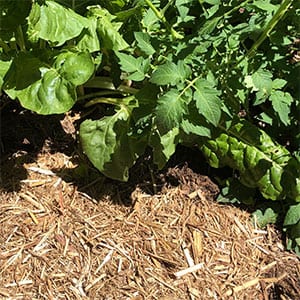
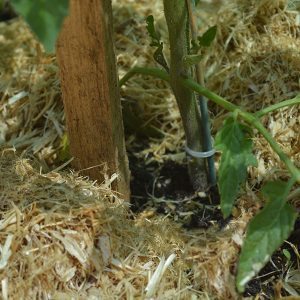
Looking for a mulch that helps conserve water, suppress weeds and improve soil health at the same time? Pea straw mulch is one of the most popular mulches for Australian vegetable gardens because it breaks down naturally, adds valuable organic matter and contributes nitrogen as it decomposes.
Ideal for tomatoes, basil, capsicums, eggplants and many other vegetables, pea straw helps protect the soil during hot summers, reduces evaporation and encourages healthy plant growth. It is also a favourite with gardeners looking to improve soil structure and increase earthworm activity.
One of the big advantages of pea straw mulch is that peas are a nitrogen-fixing plant, meaning the straw contains more nitrogen than most other straw mulches. Lucerne mulch also provides good levels of nitrogen, however it is usually more expensive.
Quick Facts
- Excellent mulch for vegetable gardens
- Helps reduce evaporation and conserve water
- Suppresses weeds naturally
- Adds organic matter as it breaks down
- Contributes nitrogen to the soil
- Encourages earthworms and beneficial soil microbes
- Breaks down faster than bark mulches
- Suitable for raised beds, fruit trees and flower gardens
Why Use Pea Straw Mulch?
Pea straw performs several important functions in the garden at the same time.
Water Saving
A layer of pea straw helps shade the soil surface and reduce moisture loss through evaporation. This can significantly reduce watering requirements during hot weather and periods of water restriction.
Weed Suppression
By blocking sunlight from reaching the soil, pea straw helps prevent many weed seeds from germinating. This means less time spent weeding and more moisture available for your plants.
Improves Soil Health
As the mulch breaks down it adds organic matter to the soil, helping improve soil structure, moisture retention and microbial activity.
Adds Nitrogen
Unlike many other mulches, pea straw comes from a legume crop. As it decomposes it contributes nitrogen and other nutrients back into the soil.
Encourages Earthworms
Earthworms thrive beneath pea straw mulch where conditions remain cool and moist. Their activity helps improve soil structure and nutrient availability.
Types of Pea Straw Mulch
Shredded Pea Straw
For most gardeners this is the easiest option to use.
Benefits include:
- Easy to spread
- Good coverage
- Breaks down quickly
- Excellent for vegetable gardens
Because it is lightweight it can blow around a little when first applied. Occasionally a few pea seedlings may appear, however they are easily removed.
Pea Straw Bales
Traditional bales are often less expensive but require more effort to break apart and spread evenly.
They are well suited to larger vegetable gardens and orchard plantings.
Pea Straw Pellets
Pelletised pea straw is becoming increasingly popular.
Advantages include:
- Easy handling
- Quick application
- Neat appearance
- Convenient storage
The downside is the higher purchase price.
Best Uses for Pea Straw Mulch
Pea straw is particularly useful around:
Vegetable Gardens
Excellent for:
- Tomatoes
- Basil
- Capsicums
- Eggplants
- Cucumbers
- Zucchini
- Beans
The mulch helps maintain consistent soil moisture which can improve plant performance during summer.
Fruit Trees
Pea straw works well around citrus, apples, pears and stone fruit trees by helping retain soil moisture and suppress weeds.
Raised Garden Beds
Its lightweight nature and ability to improve soil health make it ideal for raised vegetable beds.
Flower Gardens
Many annuals, perennials and roses benefit from the improved moisture retention provided by pea straw.
How Long Does Pea Straw Mulch Last?
One of the reasons gardeners like pea straw is that it breaks down relatively quickly.
This rapid decomposition improves soil health and feeds beneficial organisms, however it does mean that the mulch layer will need replenishing from time to time.
In most gardens, topping up once or twice a year is usually sufficient depending on rainfall and climate.
How to Apply Pea Straw Mulch
The best time to apply pea straw mulch is in spring while the soil still contains good moisture from winter rainfall.
For best results:
- Remove existing weeds.
- Water the soil thoroughly.
- Apply any fertiliser or compost before mulching if required.
- Spread pea straw evenly to a depth of 5–10cm.
- Keep the mulch slightly away from plant stems and trunks.
- Water the mulch after application to help settle it into place.
A thicker layer generally provides better weed suppression and moisture retention.
Frequently Asked Questions
Is pea straw mulch good for vegetable gardens?
Yes. Pea straw is regarded as one of the best mulches for vegetable gardens because it helps conserve moisture, suppress weeds and improve soil health as it breaks down.
Does pea straw add nitrogen to the soil?
Yes. Because peas are legumes, pea straw contributes nitrogen and organic matter as it decomposes.
Can pea straw grow peas?
Occasionally a few pea seeds may remain in the straw and germinate. These seedlings are usually easy to remove.
How thick should pea straw mulch be?
A depth of 5–10cm is generally recommended for most garden situations.
Is pea straw better than sugar cane mulch?
Both are excellent mulches. Pea straw tends to break down more quickly and contributes additional nitrogen, while sugar cane mulch is often slightly tidier and longer lasting.
Safety Tips
When spreading pea straw mulch:
- Wear gloves.
- Use eye protection.
- Consider wearing a dust mask.
- Wash hands after handling mulch.
- Store unused mulch in a dry location.
Benefits of Pea Straw Mulch at a Glance
- Conserves soil moisture
- Helps reduce watering requirements
- Suppresses weeds
- Improves soil structure
- Adds nitrogen and organic matter
- Encourages earthworms
- Supports beneficial soil microbes
- Suitable for vegetable gardens, fruit trees and flower beds
- Easy to apply
- Fully biodegradable
More Garden Mulch