
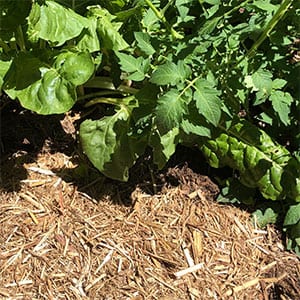
f you’re looking for an easy way to reduce watering, suppress weeds and improve soil health, sugar cane mulch is one of the best organic mulches available for Australian gardens. Particularly useful during drought conditions, water restrictions and hot summers, sugar cane mulch helps retain moisture in the soil, keeps roots cooler and reduces evaporation from the soil surface.
Made from processed sugar cane byproducts, this clean organic mulch is available in easy-to-handle compressed bales and is suitable for vegetable gardens, flower beds, fruit trees and shrubs. As it breaks down over six to twelve months it adds valuable organic matter to the soil, encouraging earthworms and beneficial microorganisms while improving soil structure.
Popular with home gardeners and landscapers alike, sugar cane mulch is an easy and effective way to create healthier, more water-efficient gardens.
Quick Facts About Sugar Cane Mulch
| Feature | Details |
|---|---|
| Material | Processed sugarcane residue |
| Type | Organic mulch |
| Lifespan | 6–12 months |
| Best For | Vegetable gardens, flowers, shrubs and fruit trees |
| Weed Suppression | Excellent |
| Moisture Retention | Excellent |
| Soil Improvement | High |
| pH Effect | Generally neutral |
| Coverage | Approximately 8m² per bale at 5cm depth |
Why Sugar Cane Mulch Works Well in Australian Gardens
Australian gardeners face a number of challenges including long dry periods, water restrictions and extreme summer temperatures. Sugar cane mulch helps overcome many of these problems by creating a protective layer over the soil.
During hot weather, mulch reduces moisture loss from evaporation and helps keep the root zone cooler. This means plants require less frequent watering and suffer less stress during heatwaves.
In drought-prone areas, sugar cane mulch can play an important role in water conservation by helping the soil retain moisture for longer periods after rainfall or irrigation.
For gardeners dealing with water restrictions, applying a quality organic mulch is one of the simplest ways to maximise the benefit of every litre of water applied to the garden.
Why Vegetable Gardens Benefit from Sugar Cane Mulch
Sugar cane mulch is especially popular in vegetable gardens where consistent soil moisture is important for healthy growth and good crop production.
Tomatoes, capsicums, beans, cucumbers, pumpkins, zucchini and brassicas all benefit from the improved moisture retention provided by mulch. Maintaining more even soil moisture can help reduce common problems such as blossom end rot, fruit splitting and heat stress.
Because sugar cane mulch is clean, easy to spread and generally free from weed seeds, it is often preferred over some traditional straw mulches for use around edible crops.
Primary Benefits of Sugar Cane Mulch
Sugar cane mulch works by combining several useful garden functions at the same time.
- Reduces water loss by 70% or more by shading the soil surface
- Suppresses weed seeds before germination by blocking light
- Regulates soil temperature in both hot and cooler conditions
- Breaks down into humus, feeding beneficial microbes and earthworms
- Clean processing results in very low dust and minimal contamination risk
How to Apply Sugar Cane Mulch Effectively
Sugar cane mulch is sold chopped and ready to use straight from the bale. A good quality product will contain almost no dust, although normal safety precautions should still be taken during application.
A typical bale weighs around 12 kg and covers approximately 8 square metres at a 5 cm depth.
For best results:
- Remove existing weeds and water the soil deeply before mulching
- Apply fertiliser before spreading mulch if required
- Aged cow manure suits nearly all plants
- Chicken manure suits many plants, but not all
- Spread mulch evenly to a depth of 5–7 cm
- Keep mulch 5 cm clear of plant stems and tree trunks
- Water thoroughly after application to settle the mulch
- Check beds regularly and top up thin areas during the growing season
Sugar cane mulch breaks down more slowly than lucerne mulch or pea straw. This can be an advantage or a disadvantage depending on how often you prefer to reapply mulch.
Coverage Calculator by Garden Size
| Area Size | 5cm Depth (Bales) | 7cm Depth (Bales) |
| 10m² beds | 1-2 | 2 |
| 25m² patch | 3 | 4 |
| 50m² garden | 5-6 | 7-8 |
Best Uses for Sugar Cane Mulch
Vegetable Gardens
Tomatoes, zucchini, beans, and brassicas benefit from the steady soil moisture sugar cane mulch provides, helping reduce issues such as splitting and blossom end rot.
Perennials and Flowers
Roses, hostas, and delphiniums maintain more even moisture through flowering without soil splash that can contribute to fungal problems.
Trees and Shrubs
Surface roots of citrus, maples, and ornamental trees are protected from summer heat and winter temperature swings.
Sugar Cane Mulch vs Other Organic Mulches
Compare performance characteristics across popular garden mulches.
| Mulch Type | Weed Risk | Decomposition | Moisture Hold | Best Uses | Notes |
|---|---|---|---|---|---|
| Sugar Cane | None | Fast (6-12mo) | Excellent | Veggies, flowers | Cleanest option |
| Pea Straw | Low | Medium (12mo) | Very Good | Edibles, natives | Adds nitrogen |
| Pine Bark | Medium | Slow (2+yrs) | Good | Acid-lovers | Long-lasting |
| Straw | High | Very Fast | Fair | Temp cover | Cheap but messy |
| Lucerne | Low | Fast | Excellent | Nutrient boost | Higher cost |
Troubleshooting Sugar Cane Mulch Issues
Mould in Wet Conditions
White mould can appear during very wet weather. This is part of normal decomposition and rarely harms plants. Rake the surface lightly to improve airflow.
When to Reapply
Check mulch depth monthly. Reapply when the layer thins below 3 cm, usually 2–3 times per growing season.
Animal Attraction
Clean, dust-free processing reduces pest issues. Occasional slugs or snails can be managed using normal garden controls.
Frequently Asked Questions
Sugar Cane Mulch and Termites.
More theories here than termites. One is that termites will eat sugar cane mulch the same as any other mulch. A second is that because it breaks down fairly quickly it is less likely to attract termites than wood chips. The jury is out on that one……
Does sugar cane mulch change soil pH?
It remains neutral during breakdown unlike pine products.
Can sugar cane mulch be used around edibles?
Regarded as safe – the processed byproduct should contain no chemicals.
Sugar Cane Mulch – Safety
Always read the instructions on the bag for full safety information.
- Wear gloves and closed shoes
- Use a dust mask during application
- Avoid breathing in dust
- Keep away from eyes and mouth
- Wash hands after use
- Keep children and pets away during application
- Store unused mulch in a dry place
Benefits of Using Sugar Cane Mulch
- Helps control weeds
- Usually weed-free and will not germinate
- Allows good water penetration to the soil
- Keeps roots cooler in summer and warmer in winter
- Encourages earthworms and healthy soil life
- Easy to apply and handle
- Fully decomposes and adds organic matter
- Readily available in compact, wrapped bales for easy transport
You may also be interested in Other Mulches


