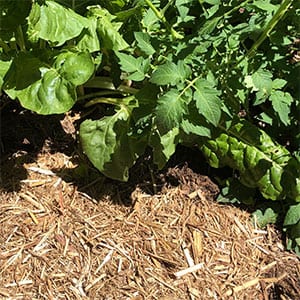
Looking for a mulch that does more than simply cover the soil? Lucerne mulch is widely regarded as one of the best organic mulches for vegetable gardens because it helps conserve moisture, suppress weeds and improve soil health as it breaks down.
Particularly useful during hot Australian summers and periods of water restriction, lucerne mulch helps keep soil cooler, reduces evaporation and adds valuable organic matter to the garden. It is especially popular around tomatoes, basil, capsicums, fruit trees and other productive crops where healthy soil and consistent moisture are important.
To start with, Lucerne and Alfalfa are the same plant, Medicago sativa. In North America it is commonly called Alfalfa, while in Australia, Europe and the United Kingdom it is generally known as Lucerne.
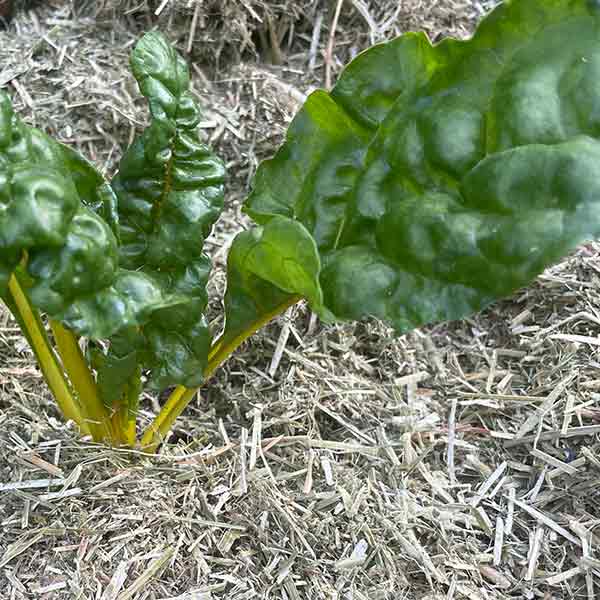
How to Use Lucerne Mulch
Looking for a mulch that does more than simply cover the soil? Lucerne mulch is widely regarded as one of the best organic mulches for vegetable gardens because it helps conserve moisture, suppress weeds and improve soil health as it breaks down.
Particularly useful during hot Australian summers and periods of water restriction, lucerne mulch helps keep soil cooler, reduces evaporation and adds valuable organic matter to the garden. It is especially popular around tomatoes, basil, capsicums, fruit trees and other productive crops where healthy soil and consistent moisture are important.
To start with, Lucerne and Alfalfa are the same plant, Medicago sativa. In North America it is commonly called Alfalfa, while in Australia, Europe and the United Kingdom it is generally known as Lucerne.
Quick Facts
- Excellent mulch for vegetable gardens
- Helps conserve soil moisture
- Suppresses weeds naturally
- Adds nitrogen and organic matter
- Improves soil structure
- Encourages earthworms and beneficial microbes
- Moderates soil temperature
- Suitable for vegetables, fruit trees and ornamental plants
- Breaks down in around 4–6 months
What is Lucerne Mulch ?
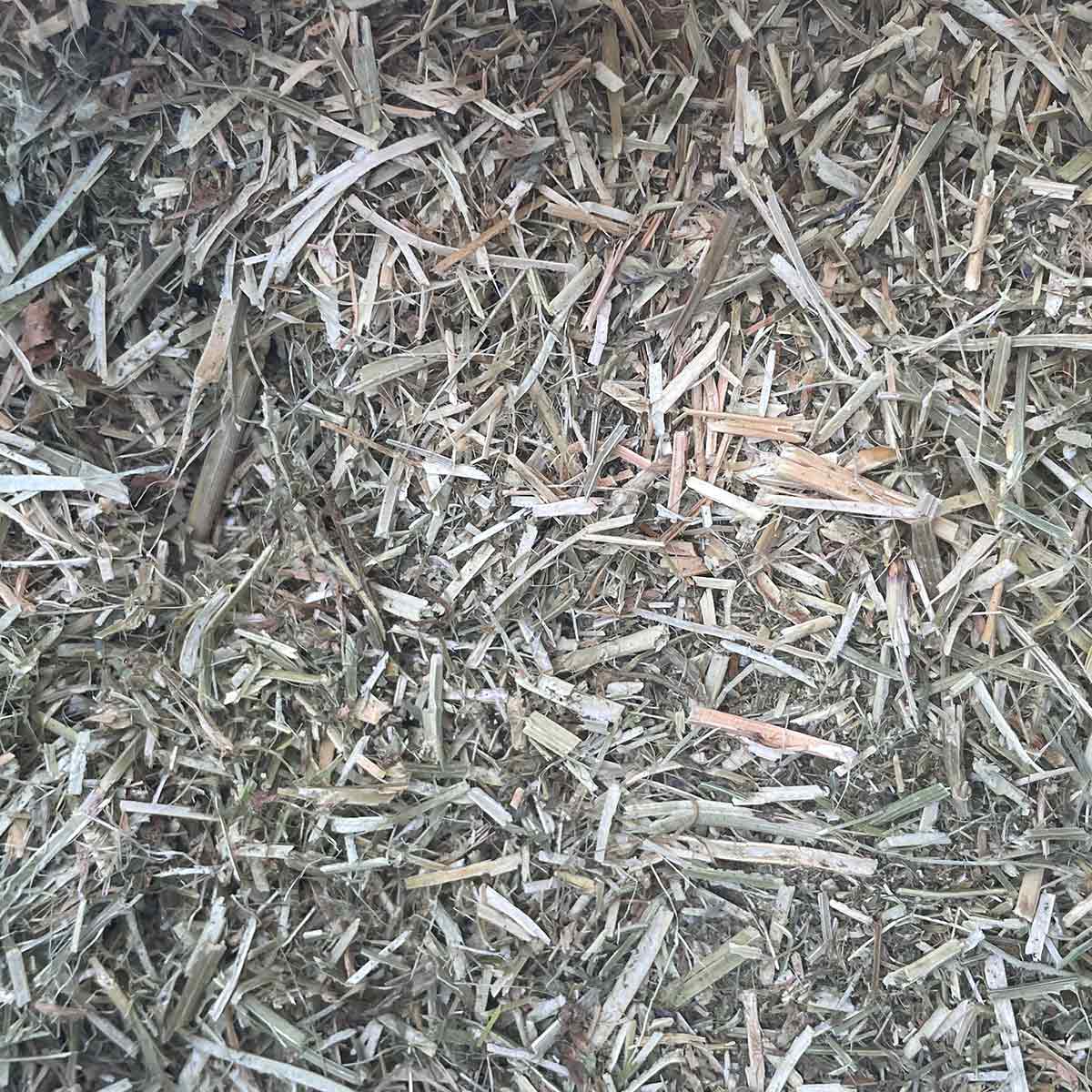
Lucerne mulch is made from the stems and stalks of Medicago sativa, the same plant commonly grown for stock feed and hay.
In the garden, these stems are used as mulch where they gradually break down and improve the soil.
Because lucerne belongs to the legume family, it is valued for the nutrients it contributes as it decomposes, particularly nitrogen.
Many gardeners consider lucerne mulch one of the premium organic mulches because it combines moisture retention, weed suppression and soil improvement in a single product.
Why Use Lucerne Mulch?
Conserves Water
Lucerne mulch forms a protective layer over the soil surface, reducing evaporation and helping the soil stay moist for longer.
This can reduce watering requirements during hot weather and drought conditions.
Helps Suppress Weeds
A good layer of mulch blocks sunlight from reaching weed seeds, helping to reduce germination and making garden maintenance easier.
Improves Soil Health
As lucerne breaks down it adds organic matter to the soil, helping improve structure, aeration and moisture retention.
Adds Nitrogen
One of the major reasons gardeners choose lucerne mulch is its ability to contribute nitrogen and other nutrients as it decomposes.
Encourages Earthworms
Earthworms thrive beneath lucerne mulch where moisture levels remain stable and organic matter is readily available.
Nutrients Found in Lucerne Mulch
Lucerne belongs to the pea family and is valued for its nutrient content.
As it breaks down it contributes:
- Nitrogen
- Potassium
- Calcium
- Iron
- Trace minerals
- Organic matter
These nutrients help support healthy plant growth and improve long-term soil fertility.
How to apply Lucerne Mulch
You can buy Lucerne in bales or ‘chopped’ in compressed bales. The chopped variety is easier to spread than the bales, however both work in the same way.
- Weed before spreading the mulch
- Make sure the soil is moist before spreading.
- Apply at around 3-4 cm deep in vegetable gardens.
- Around ornamentals, apply at 10cm.
- Water after spreading.
- Keep the mulch away from the stems of plants.
- Use a liquid fertiliser as required.
- Mulch can be raked back to apply pelletised fertiliser.
Best Uses for Lucerne Mulch
Vegetable Gardens
Lucerne mulch is particularly effective around:
- Tomatoes
- Capsicums
- Eggplants
- Basil
- Cucumbers
- Zucchini
- Beans
It helps maintain even soil moisture and supports healthy plant growth.
Fruit Trees
Lucerne mulch works well around citrus, apples, pears and stone fruit trees by reducing weed competition and conserving moisture.
Raised Garden Beds
Because it breaks down into valuable organic matter, lucerne is ideal for raised vegetable gardens where soil improvement is a priority.
Flower Gardens
Roses, perennials and annual flowering plants all benefit from improved moisture retention and healthier soil.
How Long Does Lucerne Mulch Last?
Lucerne mulch generally lasts around 4–6 months depending on:
- Climate
- Rainfall
- Application depth
- Soil conditions
As it breaks down it can be turned into the soil where it contributes valuable humus and improves soil structure.
Many gardeners simply top up the mulch layer once or twice each year.
Lucerne Mulch vs Pea Straw
This is one of the most common questions gardeners ask.
Both are excellent organic mulches.
Lucerne Mulch
- Higher nutrient content
- Generally contains fewer volunteer seedlings
- Slightly slower decomposition
- Often considered the premium option
Pea Straw Mulch
- Usually less expensive
- Breaks down a little faster
- Excellent for vegetable gardens
- May occasionally produce pea seedlings
Overall, many gardeners consider lucerne mulch the best all-round organic mulch, although pea straw remains an excellent alternative.
Lucerne Mulch vs Sugar Cane Mulch
Compared with sugar cane mulch:
Lucerne Mulch
- Adds more nutrients
- Contributes more nitrogen
- Breaks down more quickly
- Improves soil fertility rapidly
Sugar Cane Mulch
- Often lasts slightly longer
- Usually has a tidier appearance
- Excellent weed suppression
Both are excellent products, however vegetable gardeners often favour lucerne because of its nutrient contribution.
Common Questions
Is Lucerne Mulch Good for Vegetable Gardens?
Yes. Lucerne mulch is widely regarded as one of the best mulches for vegetable gardens because it improves soil health while helping conserve moisture and suppress weeds.
Does Lucerne Mulch Add Nitrogen?
Yes. As a legume-based mulch, lucerne contributes nitrogen as it decomposes.
Is Lucerne Better Than Pea Straw?
Both are excellent. Lucerne generally contains more nutrients and breaks down slightly more slowly.
How Often Should Lucerne Mulch Be Replaced?
Usually every 4–6 months depending on climate and application depth.
Is Lucerne Mulch Worth the Extra Cost?
For many gardeners the answer is yes. The additional nutrients, soil improvement and moisture retention often justify the higher purchase price.
Are There Any Disadvantages?
The main drawback is cost.
Lucerne mulch is usually more expensive than sugar cane mulch or pea straw.
It is also worth considering where the product is sourced. Locally produced mulch generally has a lower environmental impact than material transported long distances.
Benefits of Lucerne Mulch at a Glance
- Conserves moisture
- Reduces watering requirements
- Suppresses weeds
- Improves soil structure
- Adds nitrogen and nutrients
- Encourages earthworms
- Supports beneficial soil microbes
- Moderates soil temperature
- Suitable for vegetables, fruit trees and ornamentals
- Fully biodegradable