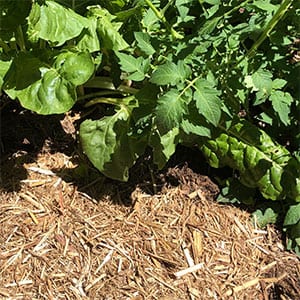

Sheet mulching is a simple, eco-friendly gardening technique that smothers weeds and improves soil health using layers of newspaper or cardboard topped with mulch.
Perfect for reclaiming overgrown garden areas, this method blocks sunlight to weeds while allowing moisture to nourish the soil beneath.
The paper layers break down naturally, enriching the soil and supporting beneficial organisms like earthworms.
Using sheet mulching saves time on weeding and promotes a healthier, more vibrant garden.
How does Sheet Mulching work
Sheet mulching uses overlapping layers of newspaper or cardboard to block sunlight from reaching weeds, effectively starving them of the light needed for photosynthesis.
This natural barrier not only kills existing weeds but also suppresses new growth. The porous paper allows water to penetrate, nourishing the soil below while creating a cool, moist environment where beneficial worms thrive.
Over time, the paper breaks down, enriching the soil and improving its structure. A top layer of mulch holds the paper in place, enhances garden aesthetics, and adds further nutrients as it decomposes.
Step-by-Step Guide to Sheet Mulching with Newspaper
- Clear the area of large weeds, making it as flat as possible using a lawn mower or line trimmer. Cutting weeds back prepares the area by removing their green growth.
- Water and fertilize the cleared area to encourage weeds to exhaust themselves trying to grow before mulching.
- Collect your materials: about six sheets of newspaper or one sheet of cardboard, and around 5cm (2 inches) of mulch.
- Lay the newspaper or cardboard flat, overlapping edges with no gaps to block all light.
- Keep the paper moist to prevent it from being displaced by wind.
- Spread mulch evenly over the paper layer to hold it down and improve soil nutrients.
- Lightly water the mulch to settle everything in place..
Important Tips and Precautions
- Avoid using excessively thick layers of newspaper or cardboard as they can take too long to decompose.
- Do not use sheet mulching in vegetable garden areas, especially for root crops.
- Weed seeds may settle on top of the mulch, so regular weeding by hand, with a dutch hoe or even organic weed killer may be necessary.
- Keep mulch away from building foundations to prevent termite issues.
- Avoid planting in the mulched area for at least six months to maintain weed suppression.
Best Mulch Choices for Sheet Mulching with Newspaper
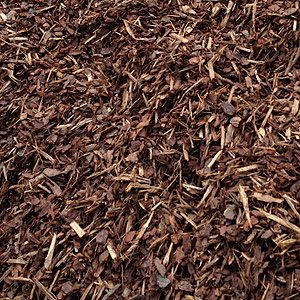
You can use a wide variety of mulches depending on your garden style and needs. Common choices include Pine Bark, Pea straw, Lucerne Mulch, wood chips or leaves—all biodegradable and naturally weed-free. Decorative mulches work well for visible garden areas, while straw or leaf mulch suits vegetable beds or informal spots.
More About Mulch