
Plant Profile and growing notes

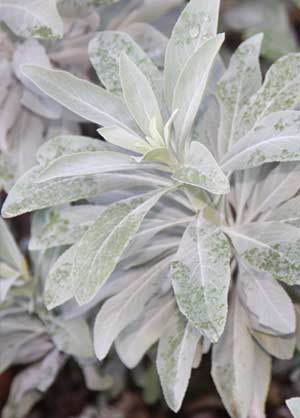
Salvia apiana, commonly known as White Sage or Sacred Sage, is a striking perennial prized for its aromatic, silvery-grey foliage and spiritual heritage. Native to the southwestern United States, this plant not only adds year-round interest to gardens but also holds cultural significance in Indigenous traditions for its ceremonial use.
Why Grow Salvia apiana?
White Sage is primarily grown for its foliage, which forms a luminous, silver-toned mound that stands out beautifully in both modern and traditional garden settings. In spring, it produces elegant white to pale pink flowers that attract bees and pollinators, adding biodiversity and subtle seasonal color to your space.
Growing notes, uses in the garden and care
Ideal Growing Conditions
- Light: Prefers full sun but benefits from afternoon shade in extremely hot climates.
- Soil: Thrives in poor to moderately fertile, well-drained soils.
- Watering: Drought-tolerant once established; avoid overwatering as root rot can occur.
- Feeding: Incorporate well-rotted compost or aged manure at planting. A light application of liquid seaweed fertilizer can help with establishment.
Maintenance & Pruning Tips
To keep your White Sage looking its best:
- Pinch back young plants regularly to encourage a compact, bushy growth habit.
- Light pruning throughout the growing season helps maintain its rounded shape.
- Avoid heavy pruning, especially in colder climates, as it can stress the plant or reduce winter hardiness
How to Grow White Sage from Seed
While Salvia apiana can be propagated from seed, germination may pose a challenge for beginners due to its dormancy requirements. For best results:
- Stratify seeds: Place them in the fridge for a couple of weeks to simulate winter conditions.
- Sow in well-draining soil: Use a sandy or cactus mix to replicate native conditions.
- Provide warmth and light: Seeds require consistent warmth (around 20–25°C / 68–77°F) and bright indirect light to germinate.
With proper care, Salvia apiana typically grows to about 1 metre (3 feet) in height and width, forming a dense, attractive shrub.
Companion Plants for Salvia apiana
White Sage can be grown in a container by itself as a foliage plant where it adds interest almost year round. It also works well with other drought-tolerant, sun-loving plants. Consider these options for complementary textures, colours, and water-wise planting:
- Lavandula spp. (Lavender) – Similar silvery foliage and purple flowers
- riogonum spp. (Buckwheat) – Native companion, excellent for pollinators
- Agastache (Anise Hyssop) – Attracts pollinators, upright flowering habit
- chillea millefolium (Yarrow)– Hardy, colourful, and drought-tolerant
- Echinacea purpurea (Coneflower) – Vertical structure and vibrant summer flowers
- Artemisia spp. – Silvery foliage echoing the tones of White Sage
- Gaillardia (Blanket Flower) – Adds bold colour contrast in similar dry conditions
- Penstemon spp. – Tubular flowers in rich colours, ideal for native-style gardens
Summary: Is Salvia apiana Right for Your Garden?
- Botanical Name – Salvia apiana
- Family– Lamiaceae (Mint family)
- Common Name – White Sage, Sacred Sage
- Position – Full sun (can tolerate light afternoon shade in hot climates)
- Soil– Well-draining soil; sandy, rocky, or loamy soil preferred; low in organic matter
- Height – Up to 1 metre (3–4 feet)
- Spread – Around 1 metre (3 feet), forming a rounded mound
- Flowers – White to pale lavender or pinkish-white, on tall spikes
- Flowering– Spring to early summer (depending on climate)
- Foliage – Silvery-grey, aromatic, soft-textured, evergreen in mild climates
- Growth Rate– Moderate (can be slow in poor soils or when young)
- Frost Tolerant – Light frost tolerant once established; not suited for hard freezes
- Drought Tolerant – Yes, highly drought tolerant once established
- Toxicity– Non-toxic to humans; may be mildly irritating to pets if ingested in large quantities
More Savia Plants

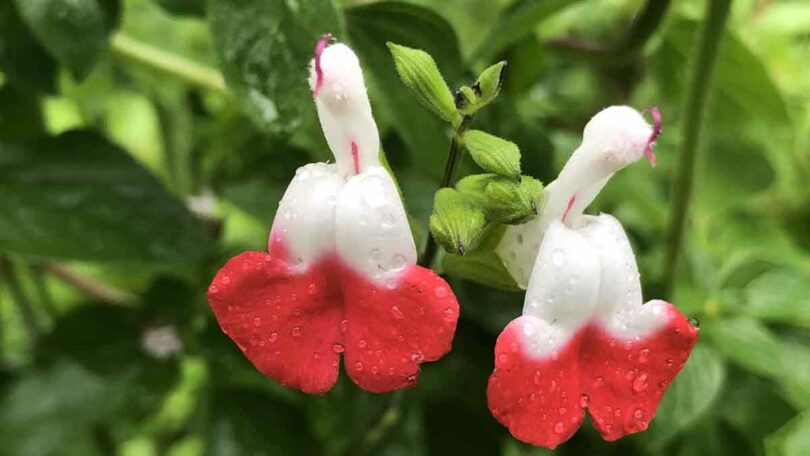
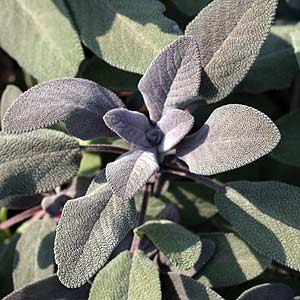

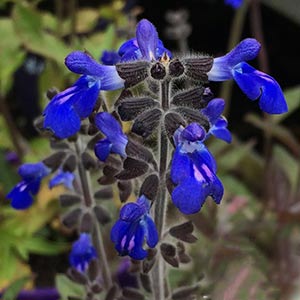

If you’re looking for a low-maintenance, drought-tolerant, and visually stunning addition to your garden, Salvia apiana is a top choice. With its unique foliage, ecological benefits, and cultural significance, it offers both form and function—ideal for environmentally conscious and design-savvy gardeners alike.