
Galangal (Blue Ginger or Laos Ginger)
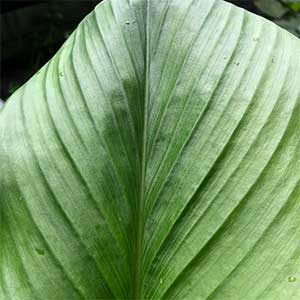
The Galangal Plant
Galangal, also known as Blue Ginger or Laos Ginger, is grown for its rhizome or root, an essential ingredient in Lao and Thai cooking, as well as many other cuisines. Its botanical name is Alpinia galanga.
The rhizome looks like a larger version of ginger, but it has pale yellow flesh with a pinkish skin. It has a fiery but sweeter and more delicate taste than ginger, making it ideal as a ginger substitute where a more subtle flavour is desired.
Asian Herbs in the Garden
Galangal is one of many Asian herbs and spices that can be grown at home for culinary use. If you enjoy cooking with fresh Asian ingredients, consider exploring other Asian herbs that thrive in warm conditions or in containers.
How to Grow Galangal
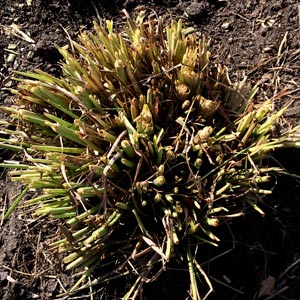
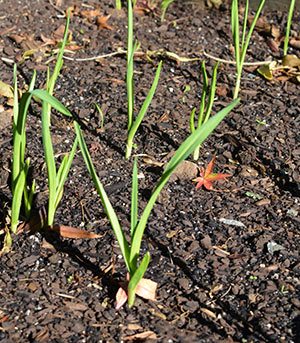
Galangal is best planted in early spring and is relatively easy to grow when provided with good soil, moisture, and warmth.
The plant grows from a rhizome, so you can start with a piece purchased from a market or supermarket.
- Choose a warm, protected position with dappled shade.
- Prepare the soil by digging in well-rotted compost and aged cow manure.
- Ensure good drainage, as Galangal requires moisture but cannot tolerate waterlogged soil.
- Plant the rhizome just below the surface, spacing each piece around 25 cm apart to allow for good root development.
- Keep soil moist throughout the growing season.
- Apply a low nitrogen fertiliser, such as Seamungus, and consider a foliar spray every few weeks.
In cooler climates, start Galangal under a mini greenhouse in spring to provide extra warmth.
Harvesting Galangal
Galangal is ready to harvest in late summer to autumn. Gently dig around the plant and select the largest rhizomes, rather than harvesting the entire root system at once.
Growing Galangal in Containers
Galangal can be grown in containers using a mix of:
- 50% potting mix
- 40% compost
- 10% perlite (for drainage)
This method is ideal for cooler climates or gardeners who want to control soil and moisture more easily.
Galangal Varieties
- Curcuma xanthorrhiza – Greater Galangal
- Alpinia officinarum (syn. A. galanga) – Lesser Galangal
Both varieties are similar to ginger and can be used interchangeably in most recipes.



- Saffron (How to Grow Your Own Saffron)
- Cardomom
- Galangle
- Vanilla Beans
- Neem Trees
- Tulsi (Holy Basil)
- Ashwagandha
- Gotu Kola
Galangal is available from good grocery stores and markets. Rhizomes are also offered for sale online.