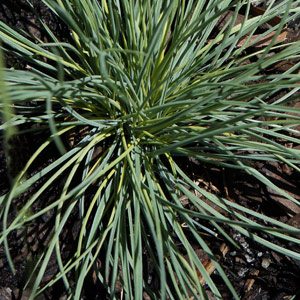
Poa are a group of grasses are a widespread species coming from Europe, Asia, America and New Zealand as well as Australia.

It is the native species that are most widely used in landscaping. Chosen for the tough easy care nature they are a favourite with landscapers. Some are suited to moist areas, however most used in dry areas.
In Australia Poa are commonly referred to as ‘Tussock Grass’. Poa Grasses are available for sale from online Nurseries, Mail Order Nurseries, Specialist Nurseries as well as Retail Nurseries.
Poa grasses, commonly referred to as Tussock Grass in Australia, are a diverse group of cool-climate grasses found across Europe, Asia, the Americas, New Zealand and Australia.
Australian native Poa species are widely used in landscaping due to their tough, low-maintenance nature. While some species suit moist conditions, most are valued for their ability to perform well in dry, exposed sites.
Poa grasses are available from online nurseries, mail order suppliers, specialist native nurseries and retail garden centres.
Why Use Poa Grasses in Landscaping?
Poa species are a reliable choice for a wide range of landscape applications. Their adaptability and natural appearance make them particularly useful in Australian conditions.
They are commonly used for:
- Mass planting in native gardens
- Borders and edging
- Erosion control on slopes and embankments
- Habitat planting to attract birds and insects
Most species prefer well-drained soils and full sun to part shade, with many showing excellent drought and frost tolerance once established.
Most Popular Poa Species with Landscapers
1. Poa labillardierei (Large Tussock Grass, ~80–100 cm)
Widely used for borders, mass plantings, and erosion control. Thrives in temperate climates; highly drought and frost tolerant. Ideal for low-maintenance landscapes and habitat-style gardens.
2. Poa sieberiana (Grey Tussock / Snow Grass, ~40–80 cm)
Common in cool southern regions. Suited to native gardens, slopes, and revegetation. Handles frost, wind, and poor soils; prefers well-drained sites and open sun.
3. Poa poiformis (Coastal Tussock Grass, ~50–70 cm)
Excellent for coastal landscapes and sandy soils. Tolerates salt spray, wind, and drought. Used in stabilisation planting and low-maintenance native designs near the coast.
4. Poa clivicola (Fineleaf Snowgrass, ~40–50 cm)
Compact, fine-textured tussock ideal for edging and mass planting. Performs well in cool climates with good drainage. Adds softness and movement to structured landscape designs.
5. Poa australis (Blue Tussock Grass, ~20–30 cm)
Smaller form suited to borders, rockeries, and small gardens. Attracts birds. Prefers temperate climates with moderate moisture and well-drained soils.
6. Poa morrisii (Velvet Tussock Grass, ~40–60 cm)
Useful in formal or semi-formal plantings due to its neat shape. Tolerates trimming. Best in temperate climates with well-drained soil and moderate water availability.
Other Species
Poa clelandii (~50–70 cm)
Ornamental purple flowers; suited to native gardens, well-drained sunny sites.
Poa ensiformis (~60–100 cm)
Attractive sheaths; adaptable native grass for mixed plantings, temperate climates.
Poa mollis (~40–60 cm)
Rare species; soft foliage, suited to conservation plantings, cool climates.
Poa rodwayii (~40–50 cm)
Compact tussock; grey-green foliage, useful for small native landscape designs.
P. sieberiana var. cyanophylla
Sometimes referred to as ‘Snow Grass’, Poa sieberiana var. cyanophylla with its silver blue green foliage is relatively low growing to around 20cm in height. It will spread to form a clump of around 30cm.
Growing well in full sun to part shade this is a useful ornamental grass for use as a border, in mass planting or for under planting native tree.
Frost tolerant and grows well in dry conditions once established. Not suited to humid sub tropical or tropical conditions.
How to Grow Poa Grasses
Poa grasses are generally easy to grow and require minimal maintenance once established. Plant in well-drained soil in a sunny to partly shaded position. Water during establishment, then reduce as plants mature.
Most species benefit from occasional trimming or cutting back to maintain shape and encourage fresh growth.
Best Climate and Conditions for Poa
Most Poa species prefer temperate to cool climates and perform particularly well in southern Australia. They tolerate frost and wind, with many species adapted to dry conditions.
They are less suited to humid tropical or subtropical regions where prolonged moisture and heat can affect performance.
Maintenance and Care
Maintenance requirements are low. Remove old foliage or cut plants back annually to rejuvenate growth. Fertiliser is rarely required, particularly in native garden settings.
Overwatering should be avoided, as most species prefer drier conditions once established.
Landscaping Uses for Poa Grasses
Poa grasses are highly versatile in landscape design. They can be used in naturalistic plantings, formal borders, or large-scale revegetation projects.
Their soft texture contrasts well with hard landscaping elements such as stone, gravel and concrete, adding movement and seasonal interest.
Where to Buy Poa Grasses
Poa grasses are widely available from specialist native nurseries, retail garden centres and online plant suppliers.
When selecting plants, consider the species best suited to your climate, soil type and intended landscape use.