
Plectranthus argentatus, the Silver Spur Flower, stands out as one of Australia’s best native foliage plants, highly valued by gardeners, collectors, and landscape designers for its shimmering silvery-green, velvety leaves and reliable, easy-care nature.

Native to open areas of rainforests in Queensland and New South Wales, this evergreen perennial is ideal for adding brightness and texture to shaded or semi-shaded garden beds, pots, and native landscapes.
Why Grow Plectranthus argentatus
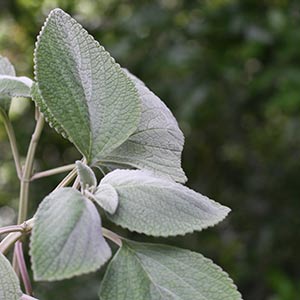
Unlike many flowering plants, the main attraction of Plectranthus argentatus is its large, soft silver foliage— flowers appear as small lilac or mauve spikes from summer to autumn but remain a secondary detail beside the plant’s luminous leaves. Most plants reach around 0.5m tall, although mature clumps may reach up to 1m if left unpruned.
In our garden we find that the silvery leaves of this species are especially effective for adding colour contrast and lightness to shaded positions, beneath established trees, or in protected courtyard areas.
How To Grow Plectranthus argentatus: Essential Care Tips
- Climate Adaptation:
This is a frost sensitive plant and will die back in winter in very cold conditions. However in Sydney as far south as Melbourne, it usually does not suffer to much in a protected position. Grown beneath an evergreen tree, near the drip line of even a deciduous tree this is a plants that thrives. - Light Requirements:
Adaptable to filtered light, morning sun, and dappled shade. Direct, harsh afternoon sunlight may scorch the foliage, so choose a spot with indirect light for best results. - Soil Needs:
Prefers humus-rich, well-drained soil. Mulch regularly to maintain soil moisture—and raised beds work well in areas with heavier rainfall. - Watering:
Extra water during prolonged summer droughts keeps leaves fresh; otherwise, plants cope well with moderate irrigation. - Pruning:
Regular tip pruning (pinching out new shoots) creates a bushier habit and keeps foliage luscious. Hard prune older plants in early spring to regenerate and maintain compact growth - Container Growth:
Plectranthus argentatus is ideal for pots, especially in semi-shaded patios—ensure good drainage and high-quality potting mix.Humus rich well drained soil.
Pruning Plectranthus argentatus
Plectranthus argentatus performs well with regular tip pruning. Simply pinch out the new growing tips to encourage a healthy bush growth habit.
Plants can be hard pruned in early spring to regenerate older plants.
Plectranthus argentatus Propagation
Clumping by nature, Plectranthus argentatus is simple to propagate, and stem cuttings are one of the easiest methods.
Step-by-Step Propagation: Real-World Practice
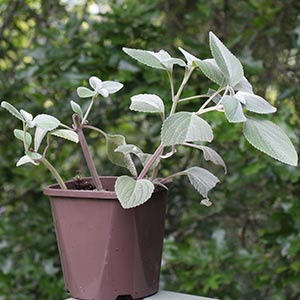
Clumping by nature, Plectranthus argentatus is simple to propagate if you follow these tried-and-tested steps:
- Select cuttings with some attached roots (up to 15cm long).
- Trim lower foliage and remove excess from larger leaves.
- Plant cuttings into damp potting mix.
- Mist twice daily and keep in light shade, not full sun.
- Water with diluted liquid seaweed, boosting root development.
- Cuttings root reliably within 8 weeks, ready for potting up or planting out.
This hands-on propagation guide is based on actual growing and nursery practice, ensuring reliable results for home gardeners.
Companion Plant – With Other Silver and Shade Plants
For collectors and garden designers, pairing Plectranthus argentatus with other silver or shade-tolerant plants not only lifts the visual interest but also creates healthier, biodiverse spaces. Consider planting alongside:
- Silver Lady Fern (Blechnum gibbum) for feathered, soft foliage contrast.
- Native Kunzea species for pollinator-friendly, aromatic shrub companions.
- Epimedium species for variegated leaves and delicate spring flowers.
- Tropical Hibiscus (Hibiscus rosa-sinensis) for bold colour around semi-shade beds.
- Coleus (Plectranthus scutellarioides) for vivid leaf pattern combinations.


Do Silver Spur Flowers require much fertiliser?
Feed lightly with seaweed or mild organic fertilisers—heavy feeding is not needed.
How do I keep foliage dense and compact?
Pinch out new shoots regularly and hard prune after winter.
What light suits Plectranthus argentatus best?
Filtered morning sun or dappled shade keeps foliage healthy and silvery.
How hardy is Plectranthus argentatus in colder climates?
It is frost sensitive; protect during winter in colder zones.