
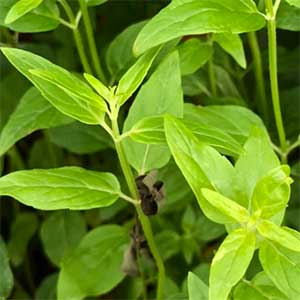
Mentha australis, commonly known as River Mint or Wild Mint, is one of Australia’s most useful native herbs. Found naturally along creeks, rivers and damp woodland areas, it is valued as a bush food plant, a natural insect repellent and for its traditional medicinal uses.
The aromatic leaves have a fresh mint flavour and can be harvested throughout much of the year. Although the foliage can be dried, the leaves are generally considered best when used fresh, as the flavour is stronger and more aromatic.
Easy to grow and adaptable to a range of garden situations, River Mint is well suited to native food gardens, kitchen gardens and container growing.
Uses of River Mint
River Mint has long been used as a native food plant and is becoming increasingly popular in contemporary Australian cooking.
The leaves can be used:
- Fresh in salads.
- As a garnish.
- In herbal teas.
- To flavour sauces and dressings.
- With seafood, poultry and lamb dishes.
- In desserts and drinks.
- As a substitute for common mint varieties.
The strong aromatic oils in the foliage are also said to help repel insects when crushed or planted around outdoor living areas.
Growing Mentha australis
River Mint naturally grows in moist environments and performs best when these conditions are replicated in the garden.
Position
A position in part shade is ideal, although the plant will tolerate filtered sun and light morning sun.
In hotter climates, protection from harsh afternoon sun will help maintain healthy foliage and vigorous growth.
Soil
A humus-rich soil that retains moisture while remaining reasonably well drained is ideal.
Adding compost and organic matter before planting will improve growth and encourage lush foliage.
Water Requirements
Unlike many herbs, River Mint prefers consistently moist soil. It performs best when watered regularly, particularly during dry periods.
Plants growing in containers may require more frequent watering than those planted in the ground.
Growing in Containers
River Mint grows very well in pots and containers. This is often the preferred method as it helps control the plant’s spreading habit while making harvesting easier.
Choose a container with good drainage and use a quality potting mix enriched with compost.
Fertiliser
Apply compost or a balanced organic fertiliser during spring and summer to encourage healthy leafy growth.
Harvesting River Mint
Leaves can be harvested as required throughout the growing season.
For the best flavour, pick young fresh growth before flowering. Regular harvesting will encourage bushier plants and a continual supply of new leaves.
Fresh leaves provide the strongest flavour, however excess foliage can be dried and stored for later use.
Propagation
River Mint is easy to propagate and can quickly establish new plants.
From Cuttings
Stem cuttings are the simplest and most reliable method. Cut healthy stems and place them into a moist propagation mix until roots develop.
By Division
Established clumps can be divided during spring or autumn. This is an excellent way to rejuvenate older plants while producing additional specimens.
From Seed
Propagation from seed is possible, although it is generally slower and less commonly used than cuttings or division.
Pruning
Regular pruning will keep plants compact and encourage dense bushy growth.
Removing older stems and regularly harvesting the foliage helps maintain plant health and prevents the centre of the plant from becoming sparse.
Other Australian Native Mints
River Mint is one of more than twenty native mint species found across Australia. Other interesting species include:
Mentha laxiflora – Forest Mint
A larger species found in moist forest environments with strongly aromatic foliage.
Mentha diemenica – Slender Mint
A smaller species native to cooler regions including Tasmania and alpine areas.
Mentha satureioides – Bush Mint
An attractive native mint valued for its strong flavour and culinary uses.
Quick Growing Guide
| Aspect | Details |
|---|---|
| Botanical Name | Mentha australis |
| Common Names | River Mint, Wild Mint |
| Plant Type | Native edible herb |
| Position | Part shade |
| Soil | Humus rich and moist |
| Water | Regular moisture |
| Height | Around 50cm |
| Spread | Up to 1 metre |
| Growth Rate | Medium to fast |
| Foliage | Mid to deep green |
| Flowers | White |
| Flowering Period | Summer to autumn |
| Frost Tolerance | Yes |
| Drought Tolerance | Low |
River Mint is one of the easiest Australian native herbs to grow. With attractive foliage, culinary value and a preference for moist garden conditions, it is an excellent addition to both native food gardens and productive kitchen gardens.
Where To Buy
Specialist Native Food Nursery with thirty species available in both forestry tubes and 14 cm pots, from ground cover to canopy. Twenty years experience supplying landscape scale projects to backyard gardens.
www.peppermintridgefarm.au .

