
Native to the Eyre Peninsula in South Australia, Eucalyptus petiolaris is a small to medium-sized tree valued for its ornamental flowers and adaptability. The most commonly grown form is the red-flowering variety, although white to pink flowering types are also available.

Commonly called Eyre Peninsula Blue Gum, Water Gum or Blue Gum his species naturally develops multiple trunks and belongs to the Mallee group of eucalypts—trees that typically grow between 2 and 9 metres in height.
Growing from a lignotuber, it is highly drought tolerant and capable of regenerating after fire or when cut back to ground level.

Key Features
- Attractive clusters of flowers in red, pink, cream or white.
- Naturally multi-stemmed growth habit.
- Drought tolerant once established.
- Regenerates from lignotuber after pruning or fire.
- Suitable for a range of landscape uses.
Uses in the Garden
Eucalyptus petiolaris is primarily grown as an ornamental tree but also serves practical purposes in the landscape.
It can be used for:
- Light shade in open gardens.
- Shelter for livestock in rural settings.
- Erosion control on exposed sites.
- Supporting pollinators such as bees and beneficial insects
- When in flower, the clusters of blossoms provide both colour and habitat value.
Growing Conditions – Basic Care
For best results, plant in a sunny position with well-drained soil.
• Light: Full sun to light shade
• Soil: Well-drained, moderately fertile soil
• Water: Low once established
While tolerant of dry conditions, young plants will benefit from occasional deep watering during establishment.
Best grown in full sun well drained soil. Once established the tree requires little to no care at all.
Ongoing Care
Once established, this is a low-maintenance tree requiring minimal attention.
Occasional watering during extended dry periods may be beneficial, particularly in the first few years. Avoid poorly drained soils, which can impact growth.
Pruning
Eucalyptus petiolaris responds well to pruning and can be coppiced if required.
Coppicing (cutting back to near ground level) encourages fresh growth and allows the plant to be maintained at a smaller size, making it suitable for more compact spaces or managed landscapes.
Light pruning can also be carried out to shape the tree or remove damaged growth.
Propagation
Propagation is typically from seed.
Seed-grown plants usually remain true to the parent in terms of flower colour, making this a reliable method for producing consistent specimens.
Flowering

Flowering occurs from winter into spring, with clusters of small blossoms appearing along the stems.
These flowers are highly attractive to bees and other pollinators, adding ecological value to the garden
Landscape Design Tips
Eucalyptus petiolaris works well in:
• Native and bush-style gardens
• Coastal or drought-tolerant plantings
• Informal screening or windbreaks
• Large garden beds where a multi-stemmed form can be appreciated
Allow enough space for its natural spread, or use pruning to control size and shape.
Frost Tolerance
This species is tolerant of light to moderate frosts once established. Young plants may require some protection in colder regions until established.
Companion Plants for Eucalyptus petiolaris
Eucalyptus petiolaris works best with plants that tolerate dry conditions, free-draining soil, and some root competition. As the tree matures, it creates light shade and a drier root zone, so choose tough, adaptable species.
Below are reliable companions that perform well both around and beneath the canopy.
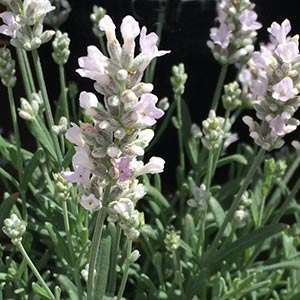
- Lavandula angustifolia
A natural pairing for eucalypts, lavender thrives in similar dry conditions.
• Why it works: Drought tolerant and sun-loving
• Feature: Fragrant flowers and foliage
• Position: Outer canopy or full sun edge - Westringia fruticosa
A hardy Australian native shrub that complements the look of eucalypts.
• Why it works: Handles wind, drought, and poor soils
• Feature: Soft grey-green foliage, small flowers
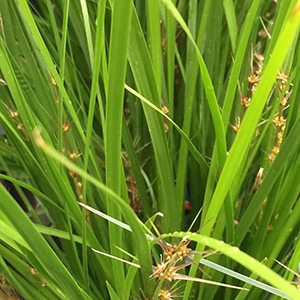
• Position: Around the drip line - Lomandra longifolia
One of the most reliable natives for underplanting.
• Why it works: Tolerates dry shade and tough conditions
• Feature: Strappy foliage, low maintenance
• Position: Under canopy - Eremophila glabra
A drought-hardy native with colourful tubular flowers.
• Why it works: Thrives in dry, sunny sites
• Feature: Bird-attracting flowers
• Position: Sunny side of planting - Chrysocephalum apiculatum
A low-growing native groundcover that brightens the base of the tree.
• Why it works: Handles poor, dry soils
• Feature: Long-lasting yellow flowers
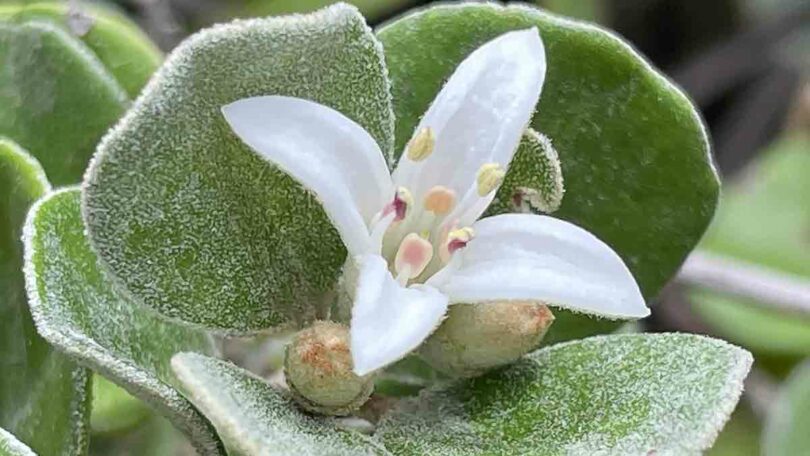
• Position: Beneath canopy or front of planting - Correa alba
A compact native shrub suited to coastal and dry inland gardens.
• Why it works: Tolerates light shade and dry soil
• Feature: Soft foliage and bird-attracting flowers
• Position: Mid-layer under light canopy
Find Companion Plants



Summary Information
- Botanical Name – Eucalyptus petiolaris (syn. Eucalyptus leucoxylon ‘rosea’)
- Common Names – Eyre Peninsula Blue Gum, Water Gum or Blue Gum
- Position – Full sun to light shade.
- Soil – Well drained and moist.
- Height – To around 15 metres often less.
- Growth Rate – Medium.
- Spread – To around 10 metres often less.
- Flowers – Red, White, Cream or Pink depending on variety. .
- Flowering Time – Winter into Spring.
- Foliage – Mid to deep bluish green.
- Frost tolerant – Yes, light to moderate frosts once established.