Lemon Scented Myrtle
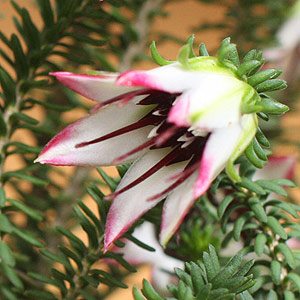
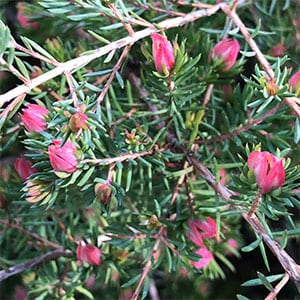
Darwinia citriodora, commonly known as Lemon Scented Myrtle, is a hardy Australian native valued for its aromatic foliage and striking orange flowers. The most widely grown form is the prostrate variety, which performs well in coastal conditions and makes an attractive, low-maintenance ground cover.
Growth Habit and Landscaping Uses
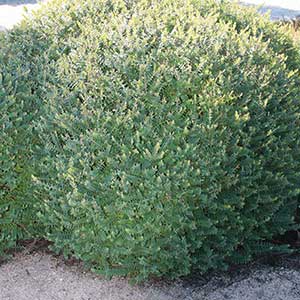
The growth habit is best described as mound-forming. In garden design, it is versatile:
- As a single feature plant in smaller gardens.
- Mass planted for a dense ground cover effect.
- Used as a low hedge or informal border when grown in the taller form.
- Useful in containers, especially the prostrate form where the aromatic foliage can be appreciated.
The prostrate variety is also well-suited to container growing. Its lemon-scented leaves release fragrance when brushed against, making it ideal for planting near outdoor living areas or pathways. Both birds and pollinators, particularly native bees, are drawn to the flowers, adding wildlife benefits to its aesthetic appeal.
Companion Plant Suggestions
This drought tolerant plant pairs beautifully with other sun-loving, drought-tolerant natives, such as:
- Grevillea spp.
- Kangaroo Paw (Anigozanthos)
- Bottlebrush (Callistemon)
- Emu Bush (Eremophila)
Horticultural and Propagation Notes
Beyond its ornamental role, Darwinia citriodora is valued in horticulture because its robust rootstock is often used for grafting less hardy species, including Darwinia macrostegia. This highlights its importance not just in gardens but also in native plant cultivation and conservation practices.
Care and Growing Conditions
- Position: Best grown in full sun to light shade.
- Soil: Thrives in well-drained soils; avoid waterlogged positions.
- Watering: Some additional water through the first summer promotes establishment, after which it copes well with dry periods.
- Fertiliser: Apply a low-phosphorus, native plant fertiliser once a year to encourage strong growth.
- Pruning: Light trimming after flowering helps maintain shape and encourages denser foliage.
Pests & problems
This a plant that is relatively pest free. Root rot in wet or poorly drained soils is the only major issue.
Summary Information
- Botanical Name: Darwinia citriodora
- Common Name: Lemon Scented Myrtle
- Foliage: Silvery-green, lemon-scented
- Flowers: Small, orange clusters
- Flowering Time: Winter to early summer
- Height: Up to 1 metre; prostrate forms stay around 0.5 metre
- Spread: To about 1 metre
- Growth Rate: Medium to fast
- Coastal Areas: Very suitable