
If a spring garden filled with vibrant blossoms is your goal, Boronia cymosa is the shrub to grow. This beautiful member of the Boronia genus hails from the southern regions of Western Australia and is admired for its dazzling floral display and aromatic foliage.

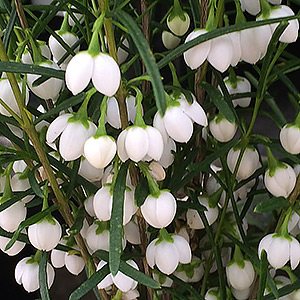
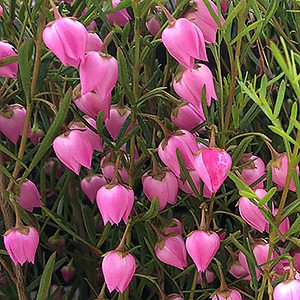
B. cymosa sets itself apart with clusters of small, bell-shaped pink to purple flowers that bloom in spring. Each flower emits a delightful scent, making this plant an ideal addition to sensory gardens or outdoor entertaining areas. The leaves are fine and feathery, rich green in colour, adding elegant texture throughout the year.
Boronia cymosa Care Guide
For successful establishment and lush growth, prepare the soil well prior to planting. Incorporate well-rotted compost and ensure excellent drainage, as B. cymosa thrives in moist but not waterlogged conditions. After planting, a thorough soak with liquid seaweed fertiliser helps the roots settle and boosts vigor.
Mulch liberally around the base to maintain a cool, moist root zone and reduce weed competition. Although Boronia cymosa can tolerate short dry spells, regular deep watering during extended dry periods will promote continuous growth and prolific flowering. Avoid letting the soil dry out completely.

Pruning Boronia cymosa
Regular light pruning after the spring flowering flush keeps the plant neat and encourages youthful, bushy growth. Prune during cooler weather, ideally after watering, to minimise plant stress. Always use clean, sharp tools to make precise cuts and prevent disease introduction.
At A Glance: Boronia cymosa
- Botanical Name – Boronia cymosa
- Common Name – Cluster Boronia
- Position – Prefers part shade to light shade, ideally with morning sun and protection from harsh afternoon heat
- Soil – Humus-rich, moist, and well-drained
- Height – Typically reaches 0.5 to 1 metre
- Spread – Usually 0.3 to 0.5 metre
- Growth Rate – Moderate to fast
- Foliage – Fine, deep green, and aromatic
- Flowers – Pink to purple, fragrant and bell-shaped
- Flowering Period – Spring
- Drought Tolerance – Needs supplementary watering during long dry spells



Our Thoughts
Boronia cymosa is highly valued by gardeners for its ornamental appeal and fragrant foliage a wonderful spring display. With careful soil preparation and mindful watering, it suits both garden beds and containers. Regular maintenance, such as post-flowering pruning and mulching, ensures robust yearly growth and long-lasting beauty.