Nashi pears, often referred to as Asian pears, are grown for their exceptionally crisp texture and sweet, juicy flavor.
Unlike the familiar European pear, Nashi pears are round, crunchy, and ready to eat straight off the tree—no softening required.
All Nashi varieties are cultivars of Pyrus pyrifolia, P. ussuriensis, or P. × bretschneideri. These trees are valued not only for their unique fruit but also for their adaptability.
As these are low-chill fruit trees, Nashi pears thrive in a wider range of climates compared to many other fruit trees.
How To Grow Nashi Pear Trees
This is versatile fruit tree, the Nashi can be grown in similar conditions to pears.
Soil and Potting Mix
Nashi pears grow best in well-drained, humus-rich soils. Before planting:
• Loosen the soil to twice the size of the root ball.
• Incorporate aged compost, cow manure, and blood and bone to enrich the soil.
• Ensure the graft union remains above soil level when planting.
For container growing, choose a large pot (at least 50L) and a premium fruit and citrus potting mix with good drainage.
Sunlight and Light Requirements
Plant your Nashi pear tree in a full sun position—at least 6 hours of direct sunlight daily is essential for healthy growth and maximum fruiting.
Espalier techniques are well suited to these trees if space is limited, allowing optimal sunlight exposure and air circulation.
Temperature Range
Nashi pears prefer mild to warm climates. They tolerate temperatures down to -10°C (14°F) once established, making them quite hardy. However, spring frosts can damage blossoms, so consider frost protection in cooler zones.
Fertilising Nashi Pear Trees
Apply a balanced fruit tree fertiliser in early spring and again in mid-summer. Supplement with liquid seaweed or compost tea for trace minerals and root health.
Avoid excess nitrogen, which can lead to lush foliage but poor fruiting.
Climate Zones: USA, UK, and Australia
• USA: Ideal for USDA Zones 5–9. Varieties with higher chill requirements do better in zones 6–8.
• UK: Best grown in southern England, in sheltered, sunny spots.
• Australia: Suitable from Melbourne to Brisbane, including parts of coastal NSW and QLD.
Being low-chill varieties, they can fruit reliably in warmer zones where traditional pears may struggle.
Planting Your Nashi Pear
Choose a sunny position with a humus rich well drained soil.
- Weed and dig over the soil to an area about twice the size of the pot, or root ball.
- Prepare the soil by digging in some well rotted compost, cow manure and some blood and bone.
- Remove the tree from the container and carefully prune off any damaged roots.
- Ensure that the graft is above the soil level.
- Backfill and water in with a liquid seaweed fertiliser.
- Water regularly though the first few summers.
- Nashi pears, are suited to espalier growing
Pruning Nashi Pear Trees
Prune your Nashi pear in late winter to shape the tree, improve air circulation, and encourage productive growth. The goal is to maintain a strong, open structure.
Tips:
• Remove any dead, crossing, or diseased branches.
• In summer, thin out dense areas and remove water shoots.
• Thin fruit clusters to improve size and quality.
Nashi pears also respond well to espalier training, perfect for small gardens or against sunny walls.
Propagation
Nashi pear trees are usually propagated through grafting to ensure fruiting quality and disease resistance. While they can be grown from seed, the results are often unpredictable and slow to mature.
For home growers, buying a grafted tree is the fastest way to get reliable fruit.
Pollination and Fruiting
Most Nashi varieties are self-pollinating, meaning you only need one tree. However, planting multiple varieties can boost fruit production.
• Encourage bees and pollinators in the garden to improve yields.
• Fruit typically begins forming in the second or third year, with full production by year five.
Harvest seasons vary:
• Early varieties: Choju, Shinsui (January–February in Australia).
• Late varieties: Okusankichi, Shen Li (late autumn).
Nashi Pear Varieties
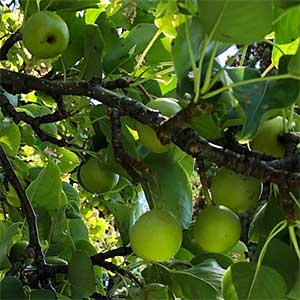
- Nijisseiki (20th Century) – Small, round, green fruit. Prolific and excellent flavor.
- Kosui – Mid-season with golden-brown skin and sweet flesh.
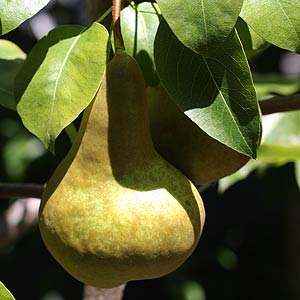
- Ya Li – More traditionally pear-shaped. Late harvest.
- Hosui – Golden-brown fruit, crisp and juicy. Mid-season.
- Okusankichi – Large fruit, long storage life. Late season.
Other notable varieties include: Tsu Li, Shinseiki, Shinsui, Chojuro, and Shen Li—each with its own harvest time and flavor profile.
Pruning
Nashi Pears are best pruned in late winter. The idea is to keep the tree a reasonable size, improve fruiting and maintain a sound tree structure.
some summer pruning may be required. This involves the removal of any water shoots as well as thinning fruit if needed.
Pest and Disease Management
Watch out for:
• Codling moth
• Pear and cherry slug
• Mites
Regular monitoring, horticultural oil sprays, and sticky traps can help manage infestations naturally.
Where To Buy

55 McDougal Rd Neerim South Victoria 3831 PH: (03) 56281507
Advanced ornamental trees and garden designs and concept plans. Direct to your property combined with specialist knowledge and outstanding service.
www.blericktreefarm.com.au

470 Monbulk-Silvan Road Monbulk VIC 3793
"Guaranteed mail order flowering bulbs, perennials, roses, trees, landscaping plants, garden accessories and community fundraising Austra lia-wide."
www.gardenexpress.com.au
More Fruit Trees