
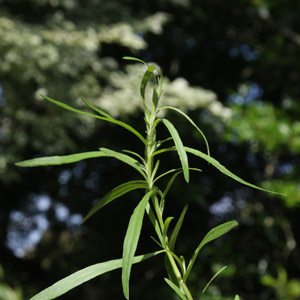
Tarragon is a classic culinary herb and a valuable addition to the herb garden. When growing it at home, the variety you are looking for is French Tarragon.
Fresh tarragon leaves have a distinctive flavour often described as slightly peppery with a mild aniseed note. It is widely used in cooking, particularly with chicken, fish, eggs and mushrooms. Because the flavour is best when the herb is freshly picked, growing your own plant is the best way to enjoy it.
French Tarragon is easy to grow once established and performs well both in the herb garden and in containers.
Tarragon Varieties.
Several types of tarragon are sold, including Spanish, Mexican and Russian varieties. However the one valued for cooking is French Tarragon.
French Tarragon has finer leaves and the characteristic flavour associated with the herb. Other forms tend to be milder and lack the distinctive taste.
One reason French Tarragon can sometimes be difficult to find is that it rarely flowers and does not produce viable seed. Because of this it must be propagated by cuttings or division rather than grown from seed. This makes large scale production slower, although once established in the garden it is a reliable and long lived plant.
French vs Russian Tarragon
Gardeners often encounter both French and Russian tarragon at nurseries, but the two differ noticeably in flavour and growing habits.
French Tarragon delivers the superior aniseed taste prized in cooking, though it spreads only by division or cuttings and benefits from well-drained spots with some shelter. Russian Tarragon grows hardier and comes true from seed, yet its milder aroma rarely matches the true herb’s character.
For reliable kitchen results, choose French Tarragon and treat it gently to enjoy its full distinction over the tougher but less flavoursome alternative.
Plant Description
- Botanical Name Artemisia dracunculus var. sativa
- Common Name French Tarragon
- Plant Type Perennial culinary herb
- Height Approximately 40 cm
- Spread To around 40 cm forming a small clumpGrowth
- Habit Compact and clumping
How to Grow French Tarragon Plants
French Tarragon grows well in either garden beds or containers. Many gardeners prefer to grow it in pots where drainage can be easily controlled.
Once established it requires relatively little attention apart from occasional fertiliser and periodic division of the clump.
Plants can remain productive for many years if the soil is refreshed and the clump is divided every few seasons.
Light
French Tarragon prefers a position with good light but some protection from intense afternoon sun.Ideal conditions include:
• Morning sun
• Light or dappled shade in the afternoon
• A position protected from hot drying windsToo much shade may reduce growth and flavour.
Soil
Good drainage is essential when growing tarragon.
The plant prefers soil that is:
• Humus rich
• Well drained
• Improved with compost before planting
Heavy soils should be improved with organic matter and coarse material to increase drainage.
When growing in containers, use a quality potting mix and ensure the pot drains freely. Some gardeners add gravel or coarse material at the base of the pot to improve drainage.
Watering
French Tarragon prefers consistent moisture but should never sit in wet soil.
During the growing season:
• Water regularly but lightly
• Allow the soil surface to dry slightly between watering
Overwatering can weaken plants, particularly in cooler weather. Good drainage is especially important during winter.
Temperature
French Tarragon performs best in temperate climates.It benefits from:
• Warm but not excessively hot summers
• Cool winters when the plant becomes dormant
Protection from heavy frost is recommended as plants can be damaged by severe cold.
Fertiliser
Tarragon is not a heavy feeder but benefits from regular light feeding.
We grow our plants in a container, they have been long lived and require little care other than some added fertiliser each year. We only use the leaves, however the plants are divided every few years.
Before planting:
• Dig compost and aged manure into the soil
• Add a slow release organic fertiliser
During the growing season:
• Apply a liquid fertiliser such as seaweed or fish emulsion every few weeks from spring through summer
An annual application of a balanced organic fertiliser will also support healthy growth.
Care and Maintenance
French Tarragon is a low maintenance herb once established.
Basic care includes:
• Removing old foliage in late winter or early spring
• Refreshing soil in containers when required
• Dividing the clump every few years to maintain vigour
Mulching around plants in the garden will help retain soil moisture and improve soil structure.
Propagation
Because French Tarragon does not produce viable seed it is propagated by division or cuttings.
Division is the simplest method.
Every three to four years lift the clump in early spring and divide the roots into several sections. Replant these in fresh soil and water well until new growth begins.
This process keeps plants healthy and provides new plants for the garden.
Harvesting
TarragonLeaves can be harvested once the plant is well established.
Pick fresh sprigs as needed throughout the growing season. Regular harvesting encourages fresh growth and helps keep plants compact.
The flavour is strongest when the herb is used immediately after picking.
Kitchen Uses
French Tarragon is widely used in cooking and is particularly suited to:
• Chicken dishes
• Fish recipes
• Egg dishes
• Mushroom dishes
• Herb butters and sauces
Because the flavour fades quickly after harvest, fresh leaves are generally preferred over dried ones.
Growing your own plant allows you to harvest exactly when needed for the best flavour.
Common Problems
French Tarragon is generally trouble free when grown in the right conditions.
The most common issues relate to soil and watering.
Poor drainage
Plants growing in wet soil may decline or rot. Always plant in well drained soil or containers.
Overwatering
Too much water, particularly in winter, can weaken plants.
Frost damage
Severe frosts may damage foliage. In colder climates plant in a protected position or grow in containers that can be sheltered.When grown in free draining soil with moderate watering, French Tarragon is a reliable and productive herb.
More Herb Plants



Where To Buy
Tarragon Plants (ask for the French variety) are often available in spring from the following nurseries.
KALLINYALLA NURSERY – Phone: 0428822725.
Shaen St Port Lincoln, SA, 5606
KLEMZIG GARDEN CENTRE – Phone: 08 8369 0338
32 O G Rd Klemzig, SA, 5087
In Victoria try
MT EVELYN GARDEN CENTRE - Phone: (03) 9736 1162
126 York Rd, Mount Evelyn VIC 3796
Excellent range of herbs and vegetables, full range of general nursery lines, pots and garden statues
AJS BULLOCK NURSERY – Phone: 03 9890 3162
48 Cosier Dr Noble Park, VIC, 3174
ACORN NURSERY – Phone: 03 5141 1900 673
Canterbury Rd Surrey Hills, VIC, 3127
AUSSIE GOLD PLANT NURSERY – Phone: 03 5428 7929
126 Amess Rd Riddells Creek, VIC, 3431
In New South Wales Try
BERRIMA COTTAGE NURSERY – Phone: 02 4877 2929
28 Old Hume Hwy Berrima, NSW, 2577
BALCONY IN BLOOM – Phone: 02 9905 2462
10 Green St Brookvale, NSW, 2100
ANNANDALE GARDEN CENTRE – Phone: 02 9660 0874
36 Booth St Annandale, NSW, 2038
BONNYRIGG GARDEN CENTRE – Phone: 02 9610
5366 Elizabeth Dr Bonnyrigg Heights, NSW, 2177