

Borage in the home garden
Borage (Borago officinalis), also known as Starflower, is a charming and hardy herb native to the Mediterranean region, particularly Syria. Recognized for its vivid blue star-shaped flowers and velvety foliage, borage is widely cultivated for both culinary and medicinal uses.
This annual herb is easy to grow from seed and brings a touch of old-world charm to cottage gardens, herb beds, and vegetable plots. Popular with pollinators, especially bees, borage is not only beautiful but highly beneficial to the home garden ecosystem.
Why Grow Borage?
Borage is an underrated herb with numerous benefits for home gardeners. Here’s why it’s worth a spot in your garden:
- Edible Flowers & Leaves: Use the cucumber-flavored flowers in salads, drinks, or desserts.
- Medicinal History: Traditionally used to reduce inflammation, relieve stress, and support adrenal health.
- Soil Enhancer: Produces a compostable biomass and can be used to make a natural fertiliser tea.
- Pollinator Magnet: Encourages bees and beneficial insects.
- Self-Seeding: Once established, it often reappears year after year.
How to Grow Borage
This is a straightforward to grow and thrives with minimal intervention when given the right conditions.
Planting Notes
- Seed Sowing: Sow seeds directly in late winter or early spring, or start in seed trays and transplant when young.
- Position: Choose a sunny spot with well-draining soil.
- Soil: Prefers free-draining, moderately rich soil, but will tolerate poor soils as well.
- Spacing: Allow about 30–40 cm between plants as they can spread.
TopTip: As this is a plant that develops a deep taproot and doesn’t like to be moved once established. Transplant only small seedlings.
Care & Maintenance
- Watering: Water regularly in dry periods, but avoid soggy soil.
- Feeding: No heavy feeding needed—this is a light feeder, especially when grown in rich soil.
- Deadheading: Remove spent flowers if you wish to prevent self-seeding. Otherwise, let it go to seed for natural propagation.
- Frost: Borage will die back in winter in cooler climates but can self-seed and return in spring.
Fertiliser Tip: The entire plant can be steeped in water to create a natural liquid fertiliser—rich in trace minerals, ideal for feeding leafy greens and tomatoes.

Best Uses in the Garden
- Cottage Garden Favourite: Fits perfectly in wild or cottage-style plantings.
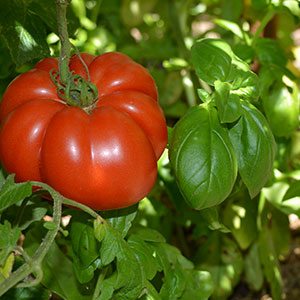
- Companion Plant: Said to deter pests like tomato hornworms; plant alongside tomatoes, squash, and strawberries.
- Edible Landscaping: Use its ornamental flowers in culinary displays.
- Natural Mulch: Once spent, chop up the plant and use it as green mulch or compost activator.
- Pollinator Garden: Essential in any bee-friendly planting scheme.
5 Reasons to Grow Borage
- Beautiful, Edible Flowers
Striking star-shaped blooms in bright blue (occasionally pink or white) make a stunning garnish. - Bee-Friendly Powerhouse
One of the top herbs for attracting and supporting native pollinators. - Soil Health Booster
Deep taproots help break up compacted soil and bring up trace nutrients. - Culinary Versatility
Leaves and flowers add a mild cucumber flavour to salads, drinks, and herbal teas. - Low-Maintenance Growth
Once planted, it needs little attention beyond occasional watering and thrives in most conditions.
Quick Facts
- Botanical Name: Borago officinalis
- Common Names: Borage, Starflower
- Position: Full sun
- Height & Spread: Up to 80cm tall and 40–60cm wide
- Flowering: Spring through summer
- Frost Tolerance: Low – dies back in winter, but often self-seeds
- Soil Requirements: Well-drained, neutral to slightly alkaline
- Companion Plants: Tomatoes, strawberries, cucumbers, squash

Can I eat borage leaves and flowers?
Yes! The young leaves and flowers are edible. Leaves have a mild cucumber taste, and the vibrant blue flowers make a beautiful and edible garnish.
Does borage come back every year?
Borage is an annual, but it readily self-seeds. In many gardens, it will reappear each spring with no effort needed.
Is borage good for bees?
Absolutely—borage is highly attractive to bees, offering nectar-rich blooms for a long flowering season.
Can I grow borage in pots?
Yes, but choose a deep container to accommodate the taproot, and ensure excellent drainage.
Borage Plants or Seeds are readily available for sale from most good nurseries
FOUR SEASONS HERBS – or email: [email protected]
Huge range of rare & unusual herbs, edible perennial plants, wasabi, saffron corms & organic garlic. Specialised Mail order nursery.