Every gardener has an opinion on how to grow tomatoes – and many of them work – but some methods simply produce better crops and flavour than others. Tomatoes are easy to grow at home if you give them full sun, humus‑rich, well‑drained but moist soil, and the right fertiliser and watering regime.

Tomatoes can be grown in the ground, in large containers, hydroponically or in grow bags, and you can start them either from seed or seedlings. Heirloom tomato varieties are increasingly popular for their flavour and attractive colours and shapes.
- Step 1 – Choose the Right Tomato Variety
- Step 2 – Plant in Full Sun
- Step 3 – Plant at the Right Time
- Step 4 – Water and Feed Correctly
- Step 5 – Support, Prune and Mulch
- Two Common Mistakes to Avoid
- Growing Tomatoes from Seed
- Sowing Tomato Seed
- Why Repot Tomato Seedlings?
- When and How to Repot
- How to Grow Tomatoes in the Ground
- Soil Preparation
- Planting and Spacing
- Moisture Management
- How to Grow Tomatoes in Pots and Containers
- When to Harvest Tomatoes
- Is Vine Ripening Best?
- The 5 Stages of Tomato Ripening
- A Little Tomato Science
- Why Are My Tomatoes Thick Skinned?
- Tomato seed suppliers
- More About Tomatoes
Step 1 – Choose the Right Tomato Variety
Choosing the right variety is the first step to success.
- For classic slicing: try Gross Lisse or other proven main‑crop varieties.
- For sauces and preserving: Roma and other plum tomatoes are ideal.
- For flavour and colour: explore heirloom tomatoes in red, yellow, black and striped forms.
- For pots and small spaces: look for dwarf, bush or “patio” tomatoes bred for containers.
Heirloom tomato seeds are widely available online, and growing from seed lets you access many more varieties than you’ll find as seedlings.
Step 2 – Plant in Full Sun
Tomatoes need warmth and sunshine to crop well.
- Aim for at least 6–8 hours of direct sun each day.
- Choose an open position with good air circulation to minimise fungal diseases.
- Avoid frost pockets and very exposed, windy sites.
Tomatoes will tolerate light afternoon shade in very hot climates, but full sun for most of the day will give you the best results and flavour.
Step 3 – Plant at the Right Time
Tomato seedlings appear in nurseries earlier every year, but planting too soon into cold soil slows growth and delays fruiting. The best time to plant is when the soil has warmed to around 16 °C and the risk of frost has passed. Tomatoes grow best when daytime temperatures sit roughly between 20–30 °C and night temperatures stay above 10–12 °C.
Use your local climate and soil temperature, not the calendar alone. Here’s a quick guide for Australian gardeners:
| Climate zone | Ideal soil / air temps for planting out | Typical outdoor planting window* | Notes for Australian gardeners |
|---|---|---|---|
| Cool / Cold | Soil at least 16 °C; days 18–24 °C, nights consistently above 10–12 °C | Late spring to early summer (roughly late Oct–Dec) | Wait until after last frost. In many cool areas this is late Oct or early Nov. Deep plant and consider using shelters or cloches early in the season. |
| Cool–Temperate | Soil 16–18 °C; days 20–26 °C, nights above 10–12 °C | Mid–spring to early summer (approx. Oct–Nov) | In Melbourne and similar climates, a traditional cue is around Melbourne Cup Day, but always check soil temperature and frost risk. |
| Temperate | Soil 16–20 °C; days 20–28 °C, nights above 12 °C | Early– to mid–spring (approx. Sep–Oct), with later plantings into Nov where summers are mild | Start earlier in coastal and urban areas where soils warm more quickly; inland or higher sites may lag 2–3 weeks behind. |
| Warm–Temperate | Soil 18–22 °C; days 22–29 °C, nights above 14 °C | Late winter to mid–spring (approx. Aug–Oct), plus late summer sowings for autumn crops | Avoid planting into peak summer heat over 32–34 °C if fruit set is poor; aim for shoulder seasons. |
| Subtropical | Soil above 18 °C; days 22–29 °C, nights above 15 °C | Late winter to spring (Jul–Oct); secondary: late summer to early autumn | Best grown in the drier, cooler months. Avoid very hot, wet midsummer periods which favour disease and poor fruit set. |
| Tropical | Soil above 20 °C; days 24–30 °C, nights above 18 °C | Dry season plantings: autumn–winter (roughly Apr–Aug) | Focus on the dry season. High humidity and heavy rain in the wet season increase disease and reduce fruit quality. Provide light shade in extreme heat. |
*Windows are indicative; always adjust to local conditions and your last frost date.
If you are in a colder area, start tomatoes in pots and keep repotting into larger pots until conditions are right to plant them into the garden.
Step 4 – Water and Feed Correctly
Watering and fertilising can make the difference between lush foliage and heavy crops of fruit.
- Water in seedlings with a liquid seaweed or compost tea.
- Keep moisture even – not bone dry, not waterlogged. Irregular watering can cause fruit splitting and thick skins.
- Avoid over‑watering before flowering and fruit set; allow plants to almost begin to droop before watering to gently stress them and encourage flowering.
- After flowering, apply a liquid fertiliser (low nitrogen, higher in potassium) every two weeks to support fruiting.
- Use sulphate of potash rather than high‑nitrogen fertilisers, which encourage leaves at the expense of fruit.
Tomatoes grown in containers dry out faster, so consider a drip system or weeping hose to keep moisture more constant and reduce the risk of thick skins.
Step 5 – Support, Prune and Mulch
Most tomatoes need support to keep fruit off the ground and improve airflow.
- Stake tomatoes or grow them in a tomato cage, unless they are a true hanging/bush type.
- Place stakes about 60 cm (24 inches) apart, plant one seedling at the base of each stake, and tie stems loosely as they grow.
- Pinch off the lower leaves when plants are 15–20 cm (6–8 inches) tall to improve airflow and reduce disease pressure.
- Space tall tomatoes about 1 m apart to promote good air movement.
- Mulch after the soil has warmed to help retain moisture and suppress weeds.
Keep feeding light but regular, and rely on a well‑composted, humus‑rich soil rather than heavy fertiliser applications. More about pruning tomatoes
Two Common Mistakes to Avoid
1. Using the Wrong Fertiliser
Avoid high‑phosphorus or very high‑nitrogen fertilisers, including some “tomato” fertilisers that still push too much leaf growth. You want compact, productive plants with strong root systems and plenty of flowers, not huge soft plants that are slow to set fruit.
2. Over‑watering Before Flowering
Watering heavily early on encourages lush foliage rather than early flowering. Instead, let plants dry slightly (just to the point before they droop) between waterings to trigger flowering and better fruit set.
Growing Tomatoes from Seed
Growing tomatoes from seed gives you the widest choice of varieties.
Sowing Tomato Seed
- Sow seeds in punnets or trays filled with quality seed‑raising mix.
- Start in a warm spot – a greenhouse, hothouse or bright indoor windowsill.
- Keep mix just moist, not soggy, until seedlings emerge.
- Once seedlings reach about 10–15 cm tall, start hardening them off by gradually exposing them to outdoor conditions over 7–10 days.
Why Repot Tomato Seedlings?
Repotting tomato seedlings has two key benefits:
- A larger pot gives the root system more room to develop so seedlings can keep growing strongly until it is warm enough to plant outside.
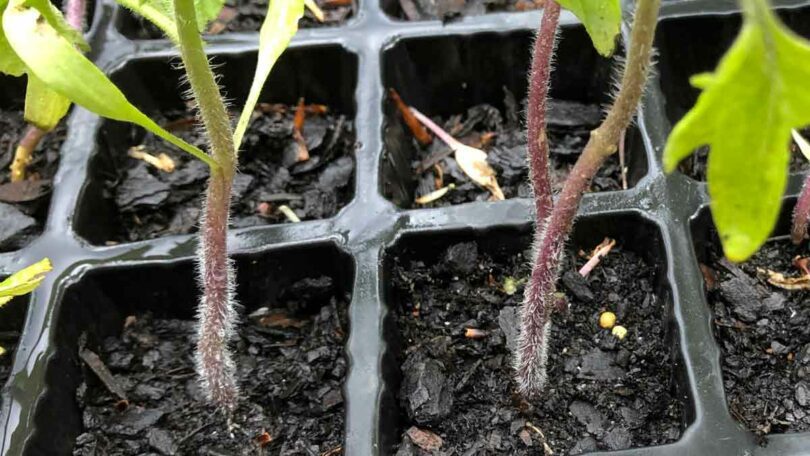
- Tomatoes form roots along buried stems, so planting the seedling deeper in each new pot encourages a stronger root system and a more vigorous plant.
When and How to Repot
Repot when seedlings are around 10 cm high and sturdy enough to handle.
Step‑by‑step:
- Choose a deep pot about 15 cm (6 inches) deep.
- Fill with a good quality potting mix with a little slow‑release fertiliser or blood and bone blended through.
- Gently remove the seedling from its tray without damaging roots.
- Plant deeper than before, burying at least 3 cm of extra stem.
- For tall, “leggy” seedlings, bury even more stem, leaving just the top leaves above the mix.
- Water in well and keep in a warm, lightly shaded position until new growth appears.
- Keep moist but not wet, and move into more sun after about 10–12 days.
You can repeat this repotting process 2–3 times in colder climates where outdoor planting is delayed until the soil is properly warm.

How to Grow Tomatoes in the Ground
Soil Preparation
Prepare the soil 3–4 weeks before planting for the best results.
- Choose a sunny, open bed.
- Weed thoroughly and dig over the soil, incorporating well‑rotted compost and aged cow manure.
- Avoid high‑analysis fertilisers at this stage; rely on organic matter.
- Check drainage – soil should be moist but free‑draining.
Planting and Spacing
- Install stakes about 60 cm apart before planting.
- Plant one tomato seedling at the base of each stake, burying the stem deeper than it grew in the pot to encourage extra roots.
- Water in with a liquid seaweed or compost tea.
- Mulch once the soil has warmed to conserve moisture and reduce weeds.
Moisture Management
Tomatoes dislike extremes of wet and dry.
- Aim for consistent moisture.
- Avoid letting plants wilt badly, but also avoid keeping them constantly saturated.
- In hot weather, check container‑grown plants daily, as pots dry quickly.
How to Grow Tomatoes in Pots and Containers
Tomatoes grow very well in large containers if you manage water and nutrients carefully.
- Use a pot at least 30–40 cm wide and deep for each plant.
- Fill with a premium potting mix rather than garden soil.
- Stake or cage the plant in the pot for support.
- Water more frequently than in the ground, especially in hot weather.
- Consider a drip system or self‑watering pot to keep moisture more constant and reduce thick skins and splitting.
When to Harvest Tomatoes
Is Vine Ripening Best?
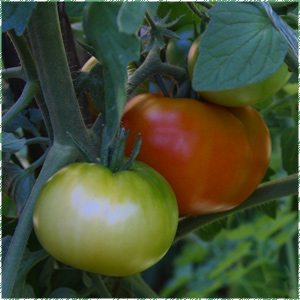
There is a lot of debate about whether tomatoes taste better when fully vine‑ripened. Studies show that tomatoes ripened on the vine have higher levels of sugars and certain amino acids compared with those ripened off the vine, which can influence sweetness and umami. However, the difference in taste and texture is often fairly small for home gardeners, especially when fruit is picked once natural ripening has begun.
Picking slightly earlier can save you from losing fruit to birds, insects and splitting, while still giving excellent flavour once the tomatoes finish ripening indoors.
The 5 Stages of Tomato Ripening
Here’s a quick guide to the stages and when to pick:
| Ripening stage | What you see on the fruit | What to do / harvest advice |
|---|---|---|
| Mature green | Full‑sized, firm, uniformly green; no colour change yet | Leave on the plant. Picking now gives poor flavour and texture, even if fruit colours indoors. |
| Breaker | First hint of colour (pale yellow, blush or faint pink) usually at the blossom end; green looks slightly lighter | Earliest safe stage to pick if you need to beat birds, pests or splitting; finish ripening indoors at room temperature. |
| Turning | Up to 30–60% of surface changing from green to yellow, orange or pink | Good compromise between flavour and protection; pick if pests or wet weather are a problem. |
| Pink | Obvious pink tone over most of the fruit; only small areas still pale | Ideal stage for many home growers to pick. Finish ripening indoors for a few days until fully coloured. |
| Red (or full colour for the variety) | Fully coloured – red, orange, yellow, black or striped depending on variety; slight softness to the touch | Best flavour and aroma on the vine, but also highest risk from birds, pests and splitting. Pick promptly and use or refrigerate lightly once fully ripe. |
You don’t need to wait until tomatoes are fully red on the vine. For many gardeners, the ideal compromise is to harvest at the pink stage, then ripen fruit indoors for a few days until fully coloured.
Netting your plants once you have a good fruit set will help protect them from birds and moths, but it also excludes bees and other pollinators. Tomato flowers are self‑fertile, so gently flicking flower stems or using an electric toothbrush to vibrate them can help with pollination under nets.
A Little Tomato Science
Research into on‑vine versus off‑vine ripening shows that fruit ripened off the vine has significantly lower levels of key sugars (fructose, glucose, sucrose) and amino acids such as glutamate and aspartate compared with fruit ripened on the plant. These compounds contribute to sweetness and umami flavour, which explains why fully vine‑ripened tomatoes can taste slightly richer, even though many gardeners find the difference subtle in practice.
For most home growers, picking at breaker or pink stage and finishing ripening indoors gives an excellent balance between flavour and reduced crop loss.
Why Are My Tomatoes Thick Skinned?
Some tomato varieties naturally have thicker skins, but growing conditions play a big role.
- Heat combined with inconsistent or inadequate watering is a common cause of thick skins.
- Letting plants dry out and then giving them a heavy soak stresses the fruit and can toughen the skin.
- Container‑grown plants are especially prone to this because pots dry out rapidly in hot weather.
Improving watering consistency – for example with a drip system or weeping hose – and mulching around plants will help prevent thick skins and splitting.
Tomato seed suppliers

470 Monbulk-Silvan Road Monbulk VIC 3793
"Guaranteed mail order flowering bulbs, perennials, roses, trees, landscaping plants, garden accessories and community fundraising Austra lia-wide."
www.gardenexpress.com.au
More About Tomatoes