
Oriental lilies are among the most admired summer-flowering bulbs, prized for their large, highly fragrant blooms and elegant garden presence. Flowering from early to mid-summer, they bring colour, height, and perfume to garden beds, borders, and containers, making them a favourite in Australian gardens.
Compared to Asiatic lilies, Oriental lilies flower slightly later and are best known for their intense fragrance, often strongest in the evening. Their blooms are typically larger, with soft pastel shades, bold pinks, whites, and distinctive markings that add a sense of luxury to the garden.
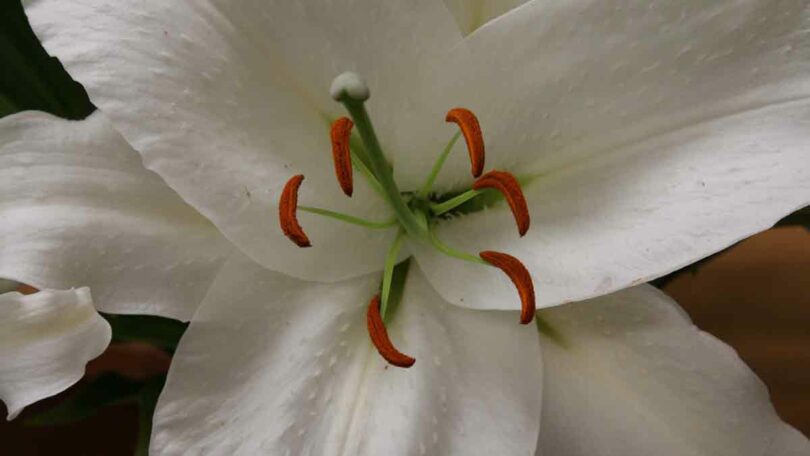
Oriental lilies (Lilium × orientalis), also known as Oriental hybrids, are celebrated for their vibrant, fragrant blooms and their versatility in both garden beds and containers. Available in a stunning array of colours—from pure white and blush pink to deep crimson—these showy bulbs add elegance and fragrance to any landscape or floral arrangement.
Quick Overview
- Plant Type: Perennial flowering bulb
- Flowering Season: Early to mid-summer
- Height: 80–120 cm (varies by variety)
- Colour Range: White, pink, crimson, bi-colours
- Fragrance: Strongly scented
- Soil: Well-drained, humus-rich
- Position: Full sun to light shade
- Maintenance: Low to moderate
Oriental lilies are ideal for gardeners who want dramatic flowers with scent, especially near entertaining areas, paths, or windows where fragrance can be enjoyed.
Why Choose Oriental Lilies?
- Intense fragrance, perfect for scented gardens and indoor bouquets.
- Wide range of colours and hybrid varieties for personalized garden design.
- Long-lasting blooms, remaining fresh on plants or as cut flowers for up to two weeks depending on conditions.
The Best Position and Soil for Oriental Lilies
For optimal growth and flowering, plant Oriental lilies in a spot that receives morning sun but is protected from scorching afternoon heat.
These bulbs prefer a slightly acidic, humus-rich, and moist but well-drained soil. Taller varieties benefit from staking and shelter from strong winds, while dwarf types thrive in containers.
Grow Oriental lilies in a slightly acidic, humus-rich soil, and protect them from intense afternoon sun.
- Soil should be moist but well-drained
- Provide mulch to regulate temperature and retain moisture
- Plant in semi-shaded positions for optimal growth
- Stake tall varieties to prevent damage in strong winds
Planting & Growing Tips
When to Plant:
Plant Oriental lily bulbs in autumn for best results, although spring planting is also possible in cooler regions.
Soil Preparation:
Oriental lilies require excellent drainage. Improve soil with compost and organic matter, particularly in heavier soils, to prevent bulb rot.
Sunlight:
Grow in full sun to light afternoon shade. In warmer climates, light shade during the hottest part of the day helps maintain flower quality.
Planting Depth & Spacing:
Plant bulbs around 15–20 cm deep, with the pointed end facing upward. Space plants adequately to encourage air circulation and reduce disease.
Mulching:
Apply mulch after planting to retain moisture, regulate soil temperature, and protect bulbs during extreme heat.
Care Throughout the Season
Watering:
Water regularly during active growth and flowering, especially in dry periods. Avoid waterlogging.
Feeding:
Feed with a balanced fertiliser or liquid seaweed once shoots appear and again before flowering for best results.
Support:
Some taller varieties may need staking in windy positions to prevent stems from bending.
After Flowering:
Remove spent blooms, but allow foliage to die back naturally. This helps the bulb store energy for next season’s growth.

Propagation & Division
Oriental lilies gradually multiply underground and benefit from occasional division.
- Divide bulbs every 3–4 years
- Best done after foliage has completely died back
- Replant immediately into well-prepared soil
Oriental Lilies as Cut Flowers
Cherished for their fragrance and colour, Oriental lilies excel in floral arrangements and bouquets:
- Flowers typically last 1–2 weeks after cutting, depending on care and environment.
- Cut stems when buds are just about to open for longest vase life.
Best Uses in the Garden
Oriental lilies are versatile and suit a range of planting styles:
- Feature Planting: Stand-alone clumps for maximum impact
- Garden Borders: Adds height and fragrance behind lower plants
- Containers: Ideal for patios and courtyards
- Cut Flower Gardens: Long-lasting blooms for indoor arrangements
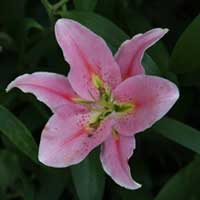
We like to grow Oriental Lilies in the garden border and they do make a great flowering garden plant as well as a long lasting cut flower, they are widely used in flower arrangements and bouquets .
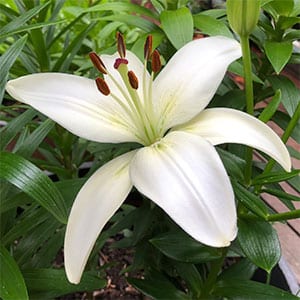
Blooms will last 1-2 weeks depending on conditions. Flower colors vary greatly with lots of hybrids and cultivars available, from white through pink (picture right) to red in pure colors or flecked.
Common Issues
While generally reliable, Oriental lilies may experience:
- Bulb rot: Caused by poor drainage
- Reduced flowering: Often due to insufficient sunlight
- Fungal diseases: Encourage airflow and avoid overhead watering
Healthy soil and good planting position prevent most problems.
Quick Reference Table: Oriental Lily Essentials
Other Summer-Flowering Bulbs


Where To Buy

'Sylvan Vale' 375 Olinda Creek Rd, Kalorama, VIC.3766
Including a large range of Rare and unusual bulbs, corms and perennials
www.tonkinsbulbs.com.au

470 Monbulk-Silvan Road Monbulk VIC 3793
"Guaranteed mail order flowering bulbs, perennials, roses, trees, landscaping plants, garden accessories and community fundraising Austra lia-wide."
www.gardenexpress.com.au