
Lycoris Bulbs – Spider Lilies
Lycoris, commonly known as spider lilies, are a striking group of autumn-flowering bulbs known for their vivid colours and unusual, spidery blooms. Native to Asia, these bulbs are both hardy and low maintenance, making them a great choice for Australian gardens.

Well-known species such as Lycoris radiata (red spider lily), Lycoris aurea (yellow spider lily), and Lycoris squamigera (resurrection lily) offer a range of colours and flowering habits, adding seasonal interest when many other plants are fading.
Quick Care Guide
- Light: Full sun to light shade
- Water: Low once established; prefers dry summer dormancy
- Soil: Well-drained, humus-rich, slightly alkaline preferred
- Climate: Best in warm temperate to subtropical regions
- Flowering: Late summer to autumn
What Makes Lycoris Unique?
Lycoris have an unusual growth cycle that often surprises new growers.
- Flowers appear on bare stems before foliage
- Strap-like leaves emerge after flowering or in cooler months
- Foliage dies back before summer dormancy
This habit is especially noticeable in Lycoris squamigera, often called the “resurrection lily” due to its sudden appearance in flower.
How to Grow Lycoris
As long as you can provide a hot, dry summer and an alkaline soil (add some lime) you should be able to flower these easily.
Light and Position
Plant Lycoris in a sunny position for best flowering.
- Full sun encourages strong stems and vibrant colour
- Light shade is tolerated, especially in hotter climates
Soil and Planting
Good drainage is essential.
- Plant bulbs with the neck (shoulder) just above soil level
- Prefers humus-rich soil with added organic matter
- Slightly alkaline soil is beneficial—add lime if needed
Avoid planting too deeply, as this can reduce flowering.
Watering and Seasonal Care
Lycoris prefer a distinct seasonal cycle.
- Spring: Active growth (foliage phase)
- Summer: Dry dormancy (minimal water)
- Autumn: Flowering period (resume light watering)
- Winter: Foliage may persist depending on species
Once established, they are relatively drought tolerant and require minimal watering.
Fertiliser
Lycoris are not heavy feeders.
- Apply a light fertiliser in early growth phase if needed
- Avoid excessive feeding, which can reduce flowering
Maintenance and Division
These bulbs prefer to be left undisturbed but may need division over time. If clumps become overcrowded flowering will decrease, summer is a good time to divide larger clumps, or to repot if growing in containers
- Divide clumps in summer during dormancy
- Overcrowding can reduce flowering
- Suitable for both garden beds and containers
Frost and Climate Considerations
- Protect from heavy frost, particularly in colder regions
- Best performance in areas with warm to hot summers
- A dry summer rest improves flowering reliability
Popular Lycoris Species
A number of species are available, each with slightly different characteristics:
- Lycoris radiata – Classic red spider lily with fine, spidery petals
- Lycoris aurea – Yellow to golden flowers, slightly larger and bolder
- Lycoris squamigera – Pale pink flowers; “resurrection lily” with dramatic flowering habit
- Lycoris sprengeri – Soft lilac-blue tones, less common but highly ornamental
- Lycoris sanguinea – Orange flowering species from Japan, often earlier blooming
Other less common species include L. caldwellii, L. incarnata, and L. elsiae, typically found through specialist growers.
Not all Lycoris are true “spider lilies,” but many share similar flower structure and growth habits.
Landscaping and Uses
Lycoris work well in a variety of garden settings:
- Cottage gardens for seasonal colour
- Borders and mass plantings for impact
- Under deciduous trees where summer dormancy suits dry soil
- Cut flowers—long-lasting and striking in arrangements
Their sudden flowering makes them excellent feature plants.
Common Problems
- Lack of flowering: Often due to bulbs planted too deep or insufficient summer heat
- Rotting bulbs: Caused by poor drainage or excess water
- Frost damage: Affects foliage and developing buds
Why Grow Lycoris?
Lycoris offer a unique combination of low maintenance and high visual impact.
- Unusual flowering habit adds seasonal surprise
- Drought tolerant and easy to grow
- Wide range of colours across species
- Excellent for naturalistic and low-care gardens
Species and varieties
Other species worth looking for although not widely available for sale include
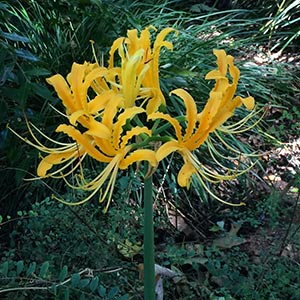
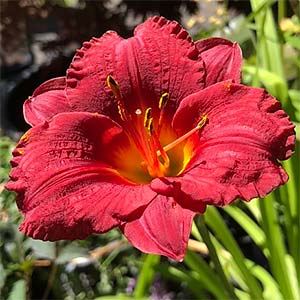
- Lycoris sprengeri
- Lycoris aurea
- L. caldwelii
- L. incarnta
- Lycoris squamigera
- L. elsiae
Lycoris are available for sale from the following nurseries

'Sylvan Vale' 375 Olinda Creek Rd, Kalorama, VIC.3766
Including a large range of Rare and unusual bulbs, corms and perennials
www.tonkinsbulbs.com.au

412 James Lane, Fern Hill VIC. 3458 - Phone 0419002651
Large range of Rare plants, Climbers, Bulbs, Perennials Fruit Trees, Ornamental Trees and Shrubs. Available both Retail and by Mail Order
www.whitehousenursery.com.au