

Louisiana Iris are hardy, moisture-loving perennials that thrive in warm, humid conditions and damp, slightly acidic soils.
They are ideal for planting beside ponds, in bog gardens or in any consistently moist part of the garden, making them one of the best iris choices for Australian sub-tropical and temperate climates.
About Louisiana Iris
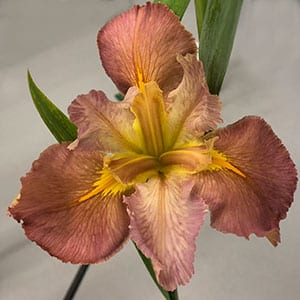
Louisiana Iris are native to the wetlands of the southern United States and are sometimes called Water Iris or Swamp Iris.
They have evergreen to semi-evergreen, sword-like foliage and produce large, showy flowers in spring. In Australia they perform well in most states, including warmer coastal areas where tall bearded iris can struggle.
Louisiana Iris Care and Ideal Growing Conditions
- Light: Full sun to light or dappled shade. At least 6 hours of sun a day will give the best flowering.
- Soil: Moist, compost-rich and slightly acidic soil. They will tolerate loamy, sandy or clay soils provided they stay consistently damp.
- Water: Keep the root zone constantly moist. They are excellent beside ponds, on pond margins or in boggy areas that do not dry out.
- Climate: Well suited to warm, humid and coastal areas, but adaptable across most of Australia where soil moisture can be maintained.
Louisiana Iris can also be grown in pots set into ponds, with the container around two-thirds submerged in water. This recreates their natural swampy habitat and helps keep the root system cool and wet through the warmer months.
Planting Louisiana Iris
he best time to plant Louisiana Iris is in summer when they are semi-dormant. Prepare the soil by digging in compost and well-rotted cow manure to improve structure and fertility.
- Plant rhizomes around 30–50 cm apart, in groups of three for an instant clump effect.
- over the rhizome and roots with soil so they are just below the surface, rather than exposed like bearded iris.
- Position the foliage fan upright and facing the direction you want to view the flowers from.
- Water in well after planting and apply mulch to help keep the soil cool and moist.
Fertiliser
Fertilise in winter to very early spring, just before the main growth and flowering period. Use a low-nitrogen, slow-release fertiliser or a balanced formulation labelled for flowering plants, as high nitrogen encourages leaf growth at the expense of flowers
Top-dress with compost and manure every year or two to maintain soil organic matter and moisture retention.
Dividing
These are an Iris that need to be divided regularly, it is the new offsets that flower each year, so they need room to grow, When dividing the established clump you will see older rhizomes with new ones attached. The new rhizomes will have green foliage emerging from the tips.
- Any rhizome that does not show signs of growth can be cut away and disposed of.
- Keep the rhizomes moist while you are getting ready to replant.
- Before replanting, dig of the area to be planted adding compost and cow manure.
- Plant rhizomes at around 30cm (12 inches) apart in groups of 3. This will give them enough room to grow for another few years.
- Make sure the foliage fan is facing upward and in the right position for viewing.
- Plant the rhizome covering the roots well.
- Water in and cover with mulch.
- Water again.
Other Iris of interest
- Algerian Iris
- Siberian Iris
- Bearded Iris
- Dwarf Bearded Iris
- Dutch Iris
- Iris histriodes
- Iris pallida
- Iris pseudacorus
- Iris reticulata
- Japanese Roof Iris
- Pacific Coast Iris
- Spuria Iris
- Japanese Iris
- Species Iris
- Iris plants for sale
Louisiana Iris are available for sale from the following nurseries and growers


470 Monbulk-Silvan Road Monbulk VIC 3793
"Guaranteed mail order flowering bulbs, perennials, roses, trees, landscaping plants, garden accessories and community fundraising Austra lia-wide."
www.gardenexpress.com.au
RAINBOW DAYLILIES & IRISES Ph: (08) 97553006 – Mob: 0437206207
P.O. Box 504 DUNSBOROUGH W A 6281