Oxalis – Weed Control – Creeping Oxalis and Yellow Oxalis
Oxalis weed control and weed killer for creeping oxalis in lawns and other oxalis weeds. Most oxalis species are regarded as weeds. Weed control of oxalis is a common problem. Creeping oxalis in lawns and the common yellow flowering oxalis or ‘sour sob’ are perhaps the worst.
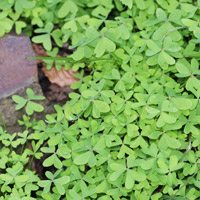
- The two forms of creeping oxalis are the red and green types, both have small glossy leaves and both appear in spring/summer.
- After the flower flowers, seed pods form and the weed spreads through the garden. Oxalis also forms small corms which make it a difficult weed to eradicate, However it can be done.
Removal or eradication of oxalis is not easy, however with persistence the presence of oxalis can be at least reduced. Systemic weed killers based on glyphosate can be used on oxalis, however they are not usually selective, and will kill everything they contact.
Oxalis and Creeping Oxalis removal or eradication
The small bulblets that oxalis produces are the problem, they are not easily removed by weeding and therefore the problem persists.
Oxalis and Creeping Oxalis are difficult to control, we present a number of options.
How to Control Oxalis
We have found three methods, so here are our tips on how to control Oxalis and eventually kill it off.
- Weeding.
Constant and vigilant weeding can greatly reduce the presence of oxalis in the garden. If you do not let the plant flower and continually weed you will eventually reduce the problem. However with Oxalis weeding is very difficult as the tiny bulblets drop off very easily and weeding can actually spread oxalis if you are not careful
New Weed Killers or Herbicides for Oxalis
New Chemicals than are based on Clopyralid which is regarded as a low toxicity herbicide combined with Diflufenican which is said to have low toxicity to bees and mammals.
At this stage you should read the complete instructions for these chemicals, paying particular attention to the safety requirements and restrictions before deciding if they are appropriate for your use and application.
Both of these chemicals although regarded as low toxicity however are irritants so eye and skin protection should be used, again follow the instructions..
5 Steps for Using Clopyralid/Diflufenican based Herbicides
- Bow and Arrow is one such herbicide ands is best applied in a weed sprayer, mixing concentrate with water to the suggested dilutions.
- The addition of a non-ionic wetting agent can improve the effectiveness of these sprays especially on the small glossy leaves of oxalis.
- These wetting agents are best added when the herbicide solution have been mixed and the sprayer is almost full. Wet Out is one such solution and suggested suitability and dilutions are available on the various herbicide packets/instructions.
- If you are using herbicides, mowing should be avoided for some time after application (4 -5 days), follow instructions on individual herb ices.
- Lawn clippings from treated lawns should not be used in the garden or in composting..
Other Weed killer for Oxalis.
Using some other weed killers will eventually do the job if you like using weed killers. However it will still take a few years to completely eradicate the problem. A glyphosate herbicide was seen as the best way to tackle Oxalis. Care must be taken when applying weed killers near shrubs and trees. We have had it reported that Bindi and Clover weed killer does give success .
- The best time to spray Oxalis is just as the flowers form, before they open. The plant will have put a lot of energy into producing the flowers so the weed killer should be more effective.
We are reluctant to use glyphosate herbicide because of reported health risks. So today we look for an organic alternative and that seems to be organic wee killers such as SLASHER. For us this works when applied in this manner. 1. Spray with Slasher as soon as the Oxalis appears.
2. As soon as the Oxalis reappears, spray again.
3. Continue with this process through the growing season.
4. NEVER let oxalis flower This process starves the bulbs if repeated each year, and you can eventually eradicate it. - Smothering.
If you can prevent light from getting to the plant by smothering with a thick layer of newspaper covered with mulch the bulblets will eventually die. It can still take a number of years.
- Organic solution.
Many people believe in the use of vinegar solutions as weed killers, vinegar will kill foliage, but it will not kill the bulblets under the ground. Repeated applications are needed to eventually ‘starve’ the oxalis. Soap mixed with the solution will help penetration of waxy surfaces on some plants.
Other methods
A few ‘Household remedies’ and general tips include- Fly spray,
- Sulphate of iron, also good for moss,
- Get some chooks, they will eat it and dig up the bulbs as well
- Keep at it for a number of years
- Shade, matt it out with black plastic
- Remove soil
- Best time to treat is why it is active growth
Are All Oxalis Weeds ?
Of the dozens of species around 5 are weeds, other oxalis species such as Oxalis Versicolor make great garden plants, however the other 5 give all oxalis a bad name, sometimes not warranted.
Types of oxalis
- Creeping Oxalis, Oxalis corniculata is an invasive weed that will take over large areas in lawns, the roots creep beneath lawns, again difficult to control by weeding as the roots (tubers) break easily.
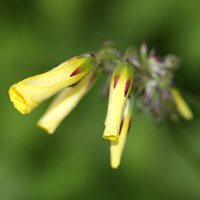
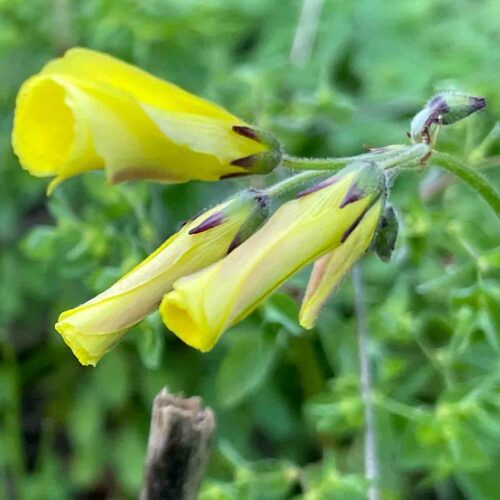
- Oxalis pes-caprae also known as ‘Soursob’ produces a main root along with small bulbs this makes it difficult to remove by weeding as the bulbs tend to drop off fairly easily
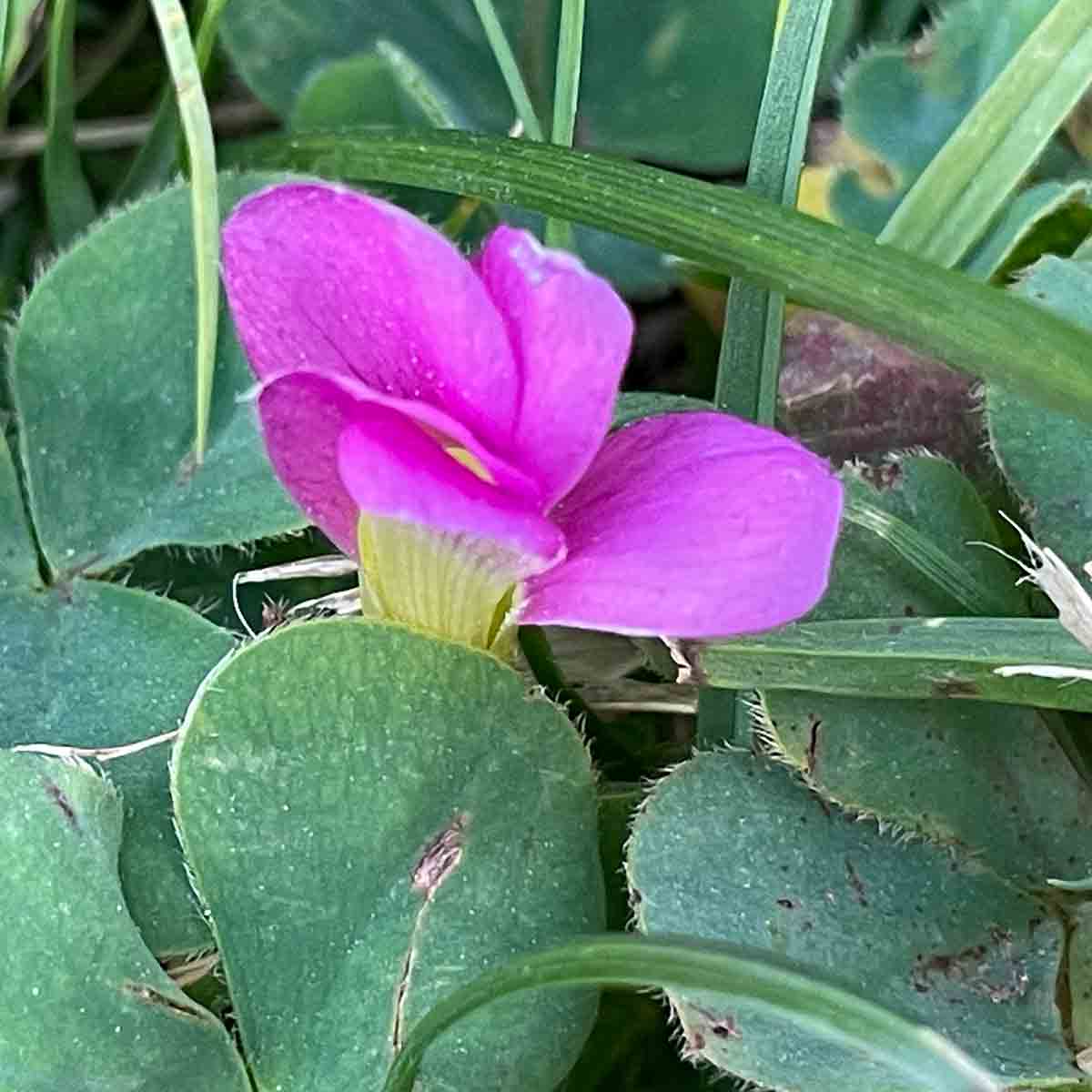
- Oxalis corymbosa this is the pink flowering oxalis, again its the small bullets that make eradication difficult.
We find that a glyphosate herbicide is the best way to eventually remove Oxalis. We have not yet found a selective weed killer for oxalis.
Are all oxalis species weeds?
No — only certain species (circa five) are problematic weeds, others (e.g., Oxalis versicolor) can be attractive garden plants.
Can I eradicate oxalis in one season?
Often not. Because of underground bulblets and seed-spread it typically takes multiple seasons of treatment to significantly reduce the population
When is the best time to treat oxalis?
Ideal timing: when the plant is actively growing and just as the flowers begin to form (before the seeds drop). This means it has less stored energy and the control method (weed-killer, smothering) is more effective.