
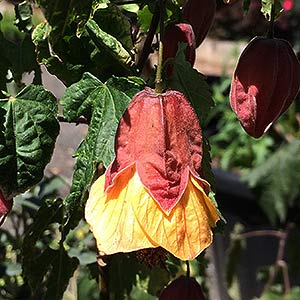
Abutilon × milleri, commonly known as Miller Abutilon, is an attractive evergreen shrub grown for its graceful arching stems and colourful lantern-like flowers. This hybrid combines features from two well-known Abutilon species and produces abundant blooms over a long flowering period.
The plant forms a tall, somewhat open shrub with slender branches that naturally arch outward, creating a relaxed and informal growth habit. Because of this growth pattern it benefits from regular pruning, which encourages bushier growth and increased flowering.
Abutilon × milleri Quick Facts
| Feature | Details |
|---|---|
| Botanical Name | Abutilon × milleri |
| Common Name | Miller Abutilon |
| Plant Type | Evergreen flowering shrub |
| Height | 2–3 m (depending on pruning) |
| Spread | 1.5–2 m |
| Position | Full sun to part shade |
| Soil | Fertile, well-drained soil |
| Flower Colour | Pink and orange with red tones |
| Flowering Season | Spring to autumn |
| Growth Rate | Moderate to fast |
Key Features
- Evergreen flowering shrub
- Arching stems with a relaxed growth habit
- Pink and orange flowers with reddish tones
- Long flowering season from spring through autumn
- Flowers appear on new growth
In mild climates the plant may continue to produce flowers for much of the year.
Plant Background
Miller Abutilon is a hybrid plant, believed to combine characteristics of two popular species:
- Abutilon megapotamicum
- Abutilon pictum
The flowers display colours and form that appear intermediate between these parents. The growth habit also reflects this mix, with plants generally taller than A. megapotamicum but less upright than A. pictum.
Appearance
Growth Habit
This shrub develops long slender branches that tend to arch outward. Without pruning, the plant can become quite open and sprawling.
Because it flowers on new growth, pruning encourages fresh shoots and more blooms.
Flowers
The flowers are typically pink and orange with deeper reddish tones, creating a soft but vibrant colour combination.
Blooms are produced prolifically over a long season, often from spring until autumn, and sometimes longer in frost-free areas.
How to Grow Abutilon × milleri
Miller Abutilon is considered easy to grow in most garden situations, provided it is planted in reasonably fertile soil and receives adequate light.
Position
Plant in:
- Full sun in cooler climates
- Part shade in hot or dry regions
Some protection from harsh afternoon sun may help maintain good foliage and flowering in warmer areas.
Soil
For best growth use:
- Humus-rich soil
- Good drainage
- Soil improved with compost or organic matter
The plant prefers soil that retains some moisture but does not remain waterlogged.
Watering
Regular watering during the establishment period will help plants develop strong roots. Once established, moderate watering during dry periods will maintain healthy growth and flowering.
Mulching
Apply mulch in spring to:
- Retain soil moisture
- Suppress weeds
- Improve soil structure as it breaks down
Fertilising
A general-purpose garden fertiliser applied in spring will support vigorous growth and flowering.
Water the plant well before fertilising, especially during warm weather, to prevent root stress.
Pruning Miller Abutilon
Pruning is an important part of maintaining this shrub.
Because flowers develop on new growth, pruning encourages the plant to produce fresh shoots and more blooms.
When to Prune
- Hard pruning can be carried out in early spring
- Light trimming can be done during summer to maintain shape
Regular pruning helps prevent the plant from becoming too tall or leggy.
Propagation
Miller Abutilon can be propagated easily from semi-hardwood cuttings.
Cuttings are often taken during routine pruning. Place them in a free-draining propagation mix and keep slightly moist until roots develop.
Pests and Diseases
This plant is generally trouble free, although a few minor pests may occasionally appear.
Possible Problems
Whitefly
Small white insects that gather on the underside of leaves. These can usually be managed with insecticidal soap or horticultural oil.
Scale insects
These sap-sucking pests may appear on stems and leaves but are typically easy to control with appropriate treatments.
Regular garden maintenance and healthy growing conditions will usually prevent serious issues.
Landscaping Uses
Miller Abutilon works well in a range of garden settings due to its long flowering season and graceful growth habit.
Garden Uses
- Informal garden shrub
- Flowering feature plant
- Cottage garden plantings
- Mixed shrub borders
Abutilon × milleri vs Abutilon megapotamicum
Gardeners often compare these plants because of their similar flowers.
Key differences include:
- A. megapotamicum has more distinct lantern-shaped flowers
- A. × milleri tends to grow taller with arching stems
- The hybrid often produces a wider range of flower colours
This comparison helps gardeners decide which plant suits their garden best.
Links and Resources
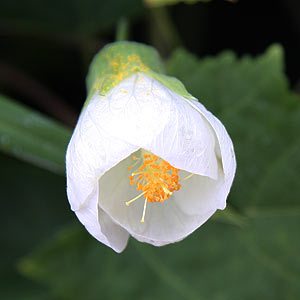
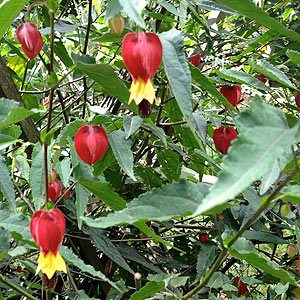

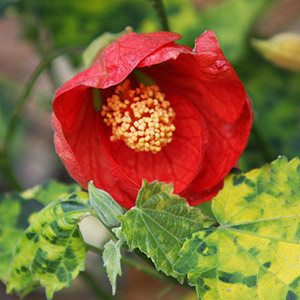
- Abutilon ‘Nabob’ Photograph UBC Botanical Garden and Centre for Plant Research’
- Enkianthus campanulatus