
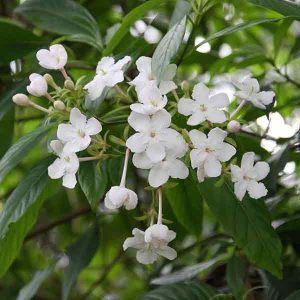
Fragrance in the garden adds another layer entirely, and for many gardeners it is just as important as colour or form. A garden filled with fragrant plants becomes a sensory experience, especially when scented flowers and foliage are positioned so their perfume can be enjoyed as you move through the space.
With a thoughtful selection of fragrant plants, it is easy to create a perfumed garden that provides interest throughout the year. Many scented plants also grow exceptionally well in containers, making them ideal for courtyards, balconies and smaller gardens. It is worth remembering that while fragrance is desirable, some highly perfumed plants can become overwhelming in confined areas, so careful placement is important.
Why Grow Fragrant Plants?
A fragrant garden appeals to more than just the eye. Scent creates atmosphere and can transform an ordinary outdoor space into somewhere people naturally want to spend time.
Many fragrant flowers attract pollinators including bees and butterflies, while scented foliage plants release perfume whenever they are brushed against or warmed by the sun. By selecting plants that flower at different times of the year, you can enjoy fragrance from winter right through to summer and beyond.
Placement Tips for Maximum Fragrance
The secret to creating a successful scented garden is positioning plants where their fragrance can be appreciated.
- Plant fragrant shrubs near entrances so visitors are greeted by perfume.
- Position scented plants beside pathways where foliage and flowers can be brushed gently as you walk past.
- Grow fragrant climbers over pergolas, arches and gateways.
- Place fragrant plants near windows so breezes carry the scent indoors.
- Locate evening-scented plants near outdoor entertaining areas and patios.
Subtle fragrances work best close to seating areas, pathways and doorways. Strongly scented plants such as gardenias, brugmansias and night-scented jessamine are often better positioned a little further away where their perfume can drift through the garden rather than dominate a small space.
Fragrance Through the Seasons
One of the keys to a successful fragrant garden is choosing plants that provide scent throughout the year.
Winter Fragrance
Winter is often when fragrance is appreciated most. Cool still air helps perfume linger and many winter-flowering shrubs have evolved strong scents to attract pollinators.
Excellent winter-scented plants include:
- Daphne
- Wintersweet
- Viburnum
- Luculia gratissima
- Chinese witch hazel
- Winter flowering citrus
Spring Fragrance
Spring brings an abundance of fragrant flowers.
Popular choices include:
- Magnolia
- Lilac
- Flowering cherry
- Flowering apricot
- Flowering plum
- Freesia
- Hyacinth
- Lily of the valley
Summer Fragrance
Summer fragrance is often richer and more tropical.
Excellent performers include:
- Gardenia
- Frangipani
- Citrus
- Ginger lilies
- Tuberose
- Brugmansia
- Mock orange
Evening Fragrance
Some plants save their perfume for after sunset, making them perfect for outdoor living areas.
Night-Scented Plants
A number of fragrant plants release their scent most strongly in the evening. These are ideal for planting near decks, patios and entertaining spaces.
Mandevilla and erysimum are two excellent examples, while the well-known Night-Scented Jessamine (Cestrum nocturnum) remains one of the most powerfully scented plants available.
For something more dramatic, Night Blooming Cereus (Epiphyllum oxypetalum) produces spectacular flowers accompanied by an intense fragrance. In warm climates these plants can become a real garden feature.
Fragrance in the garden is sought after, some gardens are designed around fragrant plants, a walk through them is a sensory delight.
With our list of fragrant plants we can all add a little perfumed magic to our gardens, and many fragrant plants can also be grown in containers. You do need to be a little wary when choosing plants that are highly perfumed, some can be a little overpowering. Careful placement is the key to creating a fragrant garden.
Fragrant Trees and Shrubs
A wide range of fragrant trees and scented shrubs provide perfume throughout the year.
- Citrus
- Magnolia
- Michelia (including Port Wine Magnolia)
- Loquat
- Flowering Cherry
- Flowering Apricot
- Flowering Plum
- Chinese Witch Hazel
- Luculia gratissima
- Flowering Currants
- Lilac
- Brugmansia
- Gardenia
- Mock Orange (Philadelphus coronarius)
- Summersweet
- Viburnum
- Wintersweet
- Crabapple
- Mexican Orange Blossom (Choisya ternata)
- Frangipani
- Hawthorn
- Linden
- Buddleia
Fragrant Climbers
Fragrant climbers add both vertical interest and perfume.
Popular choices include:
- Jasmine
- Star Jasmine
- Wisteria
- Mandevilla
- Climbing Roses
- Honeysuckle
These plants are excellent for pergolas, fences and archways where the fragrance can drift through the garden.
Fragrant Perennials, Bulbs, Herbs and Annuals
For seasonal colour and fragrance, these varieties are excellent additions.
- Daylilies
- Gingers
- Belladonna Lily
- Night Blooming Cereus
- Lavender
- Thyme
- Mint
- Lemon Verbena
- Rosemary
- Hyacinth
- Galtonia
- Crinum
- Hymenocallis
- Eucharis
- Allium
- Stock (Matthiola incana)
- Bluebells
- Daffodils
- Tuberose
- Iris
- Freesia
- Lily of the Valley
- Ginger Lily
Growing Fragrant Plants in Containers
Many fragrant plants perform beautifully in pots, making them ideal for smaller gardens, balconies and courtyards.
Excellent fragrant plants for containers include:
- Gardenia
- Citrus
- Daphne
- Lavender
- Lemon Verbena
- Star Jasmine
- Rosemary
- Mint
When growing scented plants in containers:
- Use a quality potting mix.
- Ensure excellent drainage.
- Position pots close to seating areas where fragrance can be enjoyed.
- Feed regularly during active growth.
- Repot every few years as plants mature.
Container-grown fragrant plants are particularly useful where space is limited because they allow fragrance to be concentrated exactly where it will have the greatest impact.
A Note on Strongly Scented Plants
While fragrance is generally desirable, some plants produce extremely powerful perfumes.
Night-Scented Jessamine, Gardenia, Brugmansia and certain lilies can become overwhelming when planted directly beside windows, narrow pathways or small enclosed courtyards. In these situations it is often better to position them slightly further away and allow the fragrance to drift naturally through the garden.
This is especially important around outdoor dining areas, where strong floral scents can sometimes compete with food aromas.
Tips for Creating a Fragrant Garden
- Combine plants that flower at different times of the year.
- Mix fragrant flowers with scented foliage plants.
- Include both daytime and evening-scented varieties.
- Plant fragrant trees, shrubs, climbers and perennials for layered interest.
- Use containers to bring fragrance closer to entertaining areas.
- Position scented plants near paths, entrances, windows and seating areas.
- Avoid overusing heavily perfumed plants in confined spaces.
Frequently Asked Questions
What are the most fragrant plants for gardens?
Gardenia, daphne, citrus, jasmine, frangipani, lavender and wintersweet are among the most popular fragrant plants for many gardens.
Which fragrant plants grow well in pots?
Gardenia, citrus, lavender, rosemary, star jasmine and daphne all grow successfully in containers with good drainage and regular feeding.
What plants smell strongest at night?
Night-Scented Jessamine (Cestrum nocturnum), Night Blooming Cereus (Epiphyllum oxypetalum), jasmine and some lilies release their fragrance most strongly in the evening.
How can I create fragrance all year round?
Choose a mixture of winter, spring and summer flowering scented plants. Combining daphne and viburnum for winter, magnolias and freesias for spring, and gardenias and frangipanis for summer will provide near year-round fragrance.
Where should fragrant plants be positioned?
Plant fragrant flowers and shrubs near entrances, pathways, windows, patios and seating areas where their perfume can be appreciated most easily.