The Queen Victoria Agave

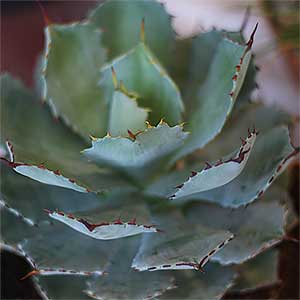
The Queen Victoria Agave (Agave victoriae-reginae) is a compact, slow-growing succulent highly prized for its neat form and striking leaf patterns. Its deep green foliage features distinctive white markings along the margins, tipped with sharp terminal spines for added character. This species is well-suited to both containers and rock gardens, making it a versatile choice for succulent collectors and landscape designers alike.
Although a mature plant may eventually flower with dramatic red to purple blooms, this typically occurs only once in its lifetime—and often after 30 years or more. Because of its longevity, low-maintenance nature, and very low water requirements, the Queen Victoria Agave remains one of the most cherished small agaves for arid and subtropical gardens.
How to Grow the Queen Victoria Agave – Basic Care
Like many Agaves, the root system is not that strong and is subject to rot. So selecting th right position and the right soil are key factors in growing this plant.
Climate and Temperature
This species thrives in warm temperate to arid climates. It is best suited to USDA Zones 7–11, tolerating temperatures between 59–100°F (15–38°C). Heavy frosts or prolonged freezing conditions will damage the plant, so in cooler regions such as the UK or northern Europe, it should be grown in containers and moved to frost-free locations during winter.
Agave victoriae-reginae prefers low humidity with excellent airflow. Wet, cold climates increase the risk of root and crown rot.
Low humidity is requires so provide good air flow.
Sunlight Requirements
Position your agave where it receives at least six hours of direct sunlight per day, with some afternoon shade in the peak of summer. Leaves that turn pale or yellow usually indicate the plant requires more sun.
Soil
A free-draining soil mix is essential for healthy growth. Use a specialist cactus or succulent potting mix in containers. If planting in the ground, ensure good drainage by raising the soil surface or incorporating gravel and sand. A light rock mulch will help maintain dryness and provide reflected warmth around the plant.
Watering
Like most desert plants, the Queen Victoria Agave prefers a “soak and dry” watering cycle. Water deeply, then allow the soil to dry fully before watering again. In winter, reduce watering dramatically to around once every four weeks, or less if the soil remains damp. Overwatering will cause the normally tight rosette to loosen and may lead to crown rot.
Fertiliser
This is not a heavy feeder. Apply a balanced slow-release fertiliser once each spring for steady growth. Choose a low-nitrogen formulation to avoid overly lush or weak leaves.
Companion Plants
- Pairs well with other drought-tolerant species such as:
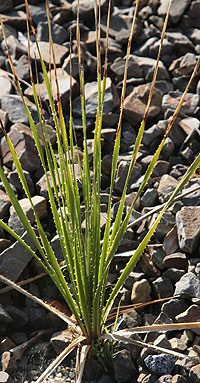
- Dasylirion
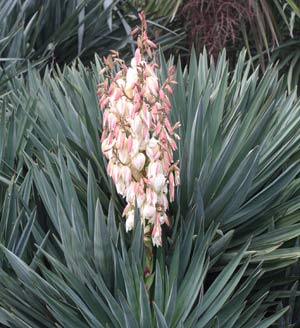
- Yucca
- Echeveria
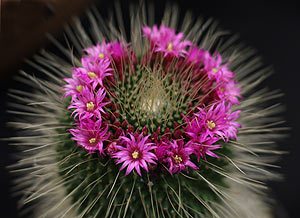
- Cacti (Mammillaria, Ferocactus)
Toxicity and Safety Notes
- Sap may cause skin irritation in sensitive people
- Handle with care due to sharp terminal spines
Propagation
- Primarily propagated by seed (It is slow to establish by this method)
- Some forms produce offsets/pups, which can be separated carefully
- Patience required due to plant’s slow growth rate
Common Problems and Pests
- Root/crown rot (usually from waterlogged soil)
- Agave snout weevil (borer pest – treat preventatively in warmer climates)
- Yellow leaves (too little sun, overwatering, or poor drainage)
Origins
The Queen Victoria Agave is native to the Chihuahuan Desert in northern Mexico and was first formally described in 1875. Named in honour of Queen Victoria, it has become one of the most iconic and collectible agaves due to its sculptural form and adaptability to container culture.
We are asked?
How big does the Queen Victoria agave get?
They reach around 60cm in height with a similar width.
Is agave Victoriae-Reginae cold hardy?
Try to keep temperatures above 10°C (50°F) in winter.
Victoria Reginae? Leaves going soft?
This is usually caused by overwatering and root rot.
More Agave Species