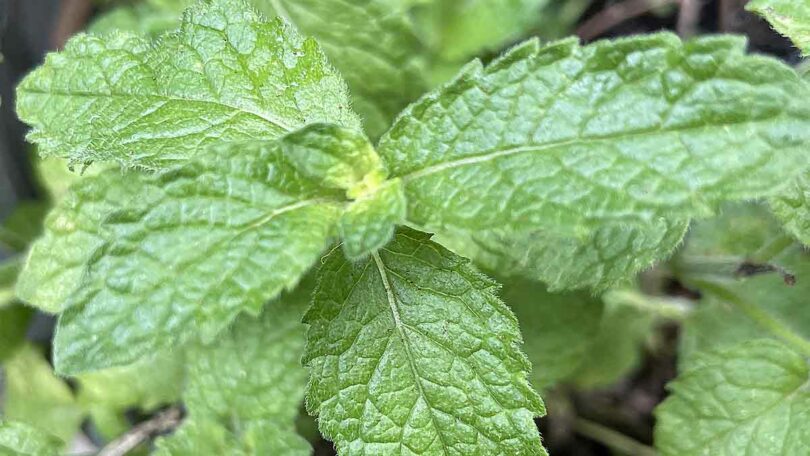
Vietnamese mint is a fast-growing herb widely used in Southeast Asian cooking. Known for its spicy, peppery leaves, the plant is easy to grow in warm climates and thrives in containers or garden beds. With the right conditions, Vietnamese mint will provide a steady harvest of fresh leaves for salads, soups and traditional dishes.
Vietnamese Mint (Hot Mint)
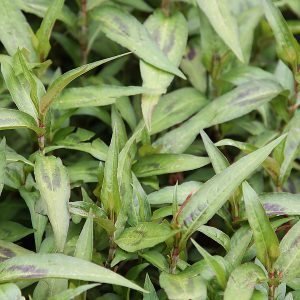
Vietnamese mint is an easy herb to grow and the leaves are commonly used in salads and recipes such as Goi Ga, a traditional chicken and cabbage salad. The plant is often called ‘Hot Mint’ because the leaves have a spicy or peppery flavour.
The leaves are usually used fresh, although they can be dried if required.
The botanical name of is Persicaria odorata, and it is also known as Vietnamese coriander. This plant spreads easily, so it is best grown in a container or in a restricted area of the garden.
The foliage is mid-green with a purple marking on each leaf. It is a low-growing plant that spreads through underground roots and can be quite vigorous in good growing conditions.
When to Plant Vietnamese Mint
Vietnamese mint is best planted during the warmer months when soil temperatures have started to rise. In most regions this means planting in spring after the risk of frost has passed.
Because it is a tender herb, Vietnamese mint does not tolerate cold conditions well. Planting once the weather has warmed will help the plant establish quickly and begin producing new growth.
In warm climates the herb can be planted for most of the year, while in cooler areas it is usually grown during the warmer seasons or kept in containers that can be protected from cold weather.
Climate for Growing Vietnamese Mint
Vietnamese mint grows best in warm, humid climates where frost is rare. The plant thrives in conditions similar to those found in tropical and subtropical regions.
A position with light shade and consistent moisture will help keep the plant growing strongly. Hot, dry conditions can slow growth, so regular watering during summer is important.
In cooler climates Vietnamese mint can still be grown successfully in a sheltered garden position or in containers, allowing the plant to be moved to a protected area during colder weather.
How to Grow Vietnamese Mint
This is a tender herb and needs a frost-free position to grow well.
Soil
Choose a humus-rich soil and improve it with added cow manure before planting.
Light
A position in light shade is ideal for good growth.
Watering
Moisture during summer is essential. Keep the soil consistently moist, especially during warm weather.
Planting
Plant the seedling and water in well. Maintain good moisture during the establishment period so the plant can settle in and begin spreading.
Fertiliser
Apply a liquid seaweed fertiliser every two weeks to encourage healthy growth.
How to grow Grow Vietnamese Mint in Containers
Because like most mints, it spreads readily through underground roots, growing it in a container can help keep it under control. Choose a wide pot with good drainage and use a rich potting mix. Container plants may need more frequent watering, especially during warm weather.
Because Vietnamese mint spreads readily through underground roots, growing it in a container or pot can help keep it under control.
- Choose a wide pot at least 30cm wide and deep with good drainage holes.
- Fill with a good quality potting mix with some added organic fertiliser
- Plant individual sections equal intervals at around 8cm apart – not to close to the edge.
- Water in with a liquid seaweed fertiliser.
- Mulch around the plants with an organic mulch, sugar cane or pea straw.
- Place in a sunny Position
- Water regularly. You can also sit pots in a dish of water during hot dry weather to help maintain moisture.
Container plants may need more frequent watering than those grown in the ground, especially during warm weather.
Propagating Vietnamese Mint
Vietnamese mint is very easy to propagate. Plants can be divided or grown from cuttings. Small pieces of stem placed in water or moist soil will quickly form roots and can then be planted into pots or garden beds.
Harvesting Vietnamese Mint
Leaves can be harvested once the plant is well established. Simply cut stems as needed and use the leaves fresh in cooking. Regular harvesting encourages new growth and helps keep the plant compact.
Uses of Vietnamese Mint
Used extensively in soups and salads for its distinctive flavour this is a mint that is also valued for its medicinal qualities and is said to aid digestion. Because of these properties, hot mint is considered beneficial in a number of ways.
Pests and Problems
Vietnamese mint is generally a hardy plant with few pest problems. Slugs and snails may occasionally feed on young leaves. Good drainage and airflow will help keep plants healthy.
Quick Facts For Vietnamese Mint
- Botanical name: Persicaria odorata
- Common names: Vietnamese mint, Vietnamese coriander, hot mint
- Plant type: Perennial herb in warm climates
- Sunlight: Light shade to partial sun
- Soil: Humus-rich, well-drained soil
- Water: Keep soil consistently moist
- Growth habit: Low growing and spreading
- Best use: Fresh leaves for salads, soups and Asian dishes