
The Society Garlic

With attractive foliage and long-lasting flowers, Tulbaghia violacea—commonly known as Society Garlic—is a versatile plant grown both for ornament and for the kitchen.
While mainly used as a garden plant, it’s also edible, offering a mild garlic flavour without the strong after-effects of true garlic.
Foliage and Flowers
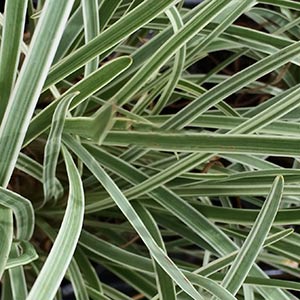
The foliage is made up of slender, strap-like leaves, typically reaching around 30 cm in height.
In summer, clusters of soft purple, star-shaped flowers appear on upright stems, adding colour and movement to the garden. The variegated forms, with green and yellow striped foliage, have become especially popular for their added visual interest.
When crushed, the leaves release a distinct garlic scent—hence the common name.
Growth Habit and Features
This is an evergreen, clump-forming perennial that is both hardy and adaptable.
- Height – Around 30 cm
- Spread – Forms a clump to around 30 cm
- Growth – Steady and reliable
It’s drought tolerant, frost tolerant, and capable of growing in poorer soils, making it a useful plant for low-maintenance gardens.
Edible Uses
One of the more interesting aspects of Tulbaghia violacea is its dual purpose.
The leaves and flowers can be used in cooking, adding a mild garlic flavour to dishes such as stir-fries, salads, and garnishes—without the lingering odour of traditional garlic.
Varieties and Related Species
A number of cultivars are available, though some can be difficult to source in Australia.
- ‘Silver Lace’ – Variegated foliage with pink-toned flowers
- ‘John May’s Special’ – Taller growing form
- Variegated forms – Popular for foliage contrast
Related species include:
- Tulbaghia simmleri (also known as Tulbaghia fragrans) – Available in white and pale pink forms, flowering in winter and growing slightly taller (to around 50 cm)
Growing Conditions and Care
Tulbaghia violacea is easy to grow and suits a wide range of conditions.
Position
Full sun to part shade.
Soil
Humus-rich, well-drained soil is ideal, though it tolerates poorer soils.
Watering
Drought tolerant once established, though flowering may be reduced in very dry conditions.
Maintenance
Deadhead spent flowers to keep plants looking tidy.
Feeding
Improve soil with compost or organic matter when planting and during division.
Division and Propagation
Clumps will gradually thicken over time and benefit from division.
- Divide every 3–4 years to maintain vigour and flowering
- Best done in spring
- Easily propagated by division or from seed
Garden Uses
This is a highly versatile plant in the garden.
It works well in:
- Rock gardens
- Garden borders
- Edging pathways
- Herb and kitchen gardens
- Containers and pots
Planting in clumps gives the best visual effect, especially when in flower.
Companion Planting
It works well alongside herbs and other drought-tolerant perennials, and can even help deter some pests thanks to its garlic-like scent.
Flowering Performance Tip
For best flowering, avoid overly dry conditions through the growing season—while it will survive drought, a little moisture goes a long way.
Container Growing Insight
In pots, it performs well with a free-draining mix and regular feeding, making it a good choice for balconies and small spaces.
Improving Flowering
For best flowering, avoid overly dry conditions through the growing season—while it will survive drought, a little moisture goes a long way.
Pest and Disease Resistance
Generally trouble-free, this is a plant that rarely suffers from pests or diseases, making it a good low-maintenance choice.
Origin and Background
Tulbaghia violacea is native to southern Africa and belongs to the same family as garlic and onions (Alliaceae).
The name “Society Garlic” is said to come from its use as a more socially acceptable alternative to garlic—offering flavour without the strong lingering smell.
Care Summary
Botanical Name – Tulbaghia violacea
Common Name – Society Garlic
Height – To 30 cm
Spread – Around 30 cm
Position – Full sun to part shade
Soil – Well-drained, humus-rich
Water Requirements – Low once established
Frost Tolerant – Yes
Where To Buy

52 Rodd St Canowindra NSW 2804
An online nursery specialising in drought and frost tolerant perennials and fragrant, edible and herbs.
www.perennialle.com.au

www.planterspatch.com.au

470 Monbulk-Silvan Road Monbulk VIC 3793
"Guaranteed mail order flowering bulbs, perennials, roses, trees, landscaping plants, garden accessories and community fundraising Austra lia-wide."
www.gardenexpress.com.au

'Umbango' 750 Humula Rd, Humula NSW 2652
Phone 0408692773 Great Range of Perennial plants available for sale by mail order.
www.nutshellnursery.com.au