

Iresine herbstii, commonly known as bloodleaf or beefsteak plant, is a vibrant foliage plant grown primarily for its intense leaf colour rather than its flowers. Valued for nearly two centuries, Iresine has long been used in decorative plantings where bold colour and contrast were desired. Today, it remains a favourite in tropical and subtropical gardens, as well as a popular indoor plant in cooler climates.
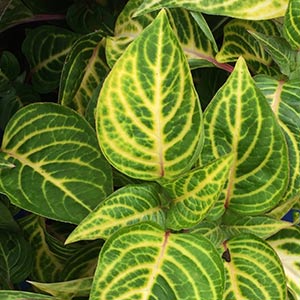
Native to Brazil, Iresine herbstii is a small, soft-wooded shrub that typically reaches around 1 metre in height. While best known for its deep red or burgundy foliage, modern cultivars also offer lime green, pink, and variegated leaves—making it a versatile accent plant.
Why Grow Iresine herbstii?
Iresine is chosen for its strong visual impact and ease of propagation rather than flowers or form.
Key features include:
- Striking foliage colours ranging from deep red to lime green
- Fast growth in warm conditions
- Excellent understory plant for tropical-style gardens
- Well suited to pots and indoor growing in cooler regions
- Easy to propagate from cuttings
In warm climates, Iresine works well in mass plantings, borders, and shaded garden beds. In temperate areas, it is often grown as a houseplant or seasonal feature.
Plant Characteristics
- Plant type: Soft-wooded perennial shrub
- Height: Up to 1 m
- Foliage: Red, burgundy, lime green, or variegated depending on cultivar
- Flowers: Insignificant
- Climate: Tropical to subtropical
- Frost tolerance: Frost tender
Although several species exist, cultivated varieties of Iresine herbstii are by far the most commonly grown.
Growing Conditions & Care
Water
While Iresine can tolerate short dry periods, it performs best with consistent moisture. Insufficient watering often results in dull foliage and slower growth.
Climate
As a plant originating from Brazil, Iresine thrives in warm, humid environments. It can be grown outdoors in coastal regions of southern New South Wales but performs best in frost-free areas. Cold temperatures and frost will damage or kill the plant.
Light
Bright, filtered light produces the best foliage colour. Too much shade can reduce vibrancy, while intense direct sun in hot climates may scorch leaves.
Soil
A humus-rich, free-draining soil encourages strong growth. Good drainage is essential, especially in containers.
Availability
Iresine herbstii is commonly available through garden centres, particularly in warmer regions north of Sydney. Specialist nurseries often stock a wider range of coloured cultivars, including selections such as ‘Blazin Lime’.
Propagation from Cuttings
Iresine is extremely easy to propagate, making it ideal for home gardeners.
Propagation method:
- Take softwood cuttings approximately 10 cm long
- Select healthy, vigorous stems
- Optionally soak cuttings briefly in diluted household bleach to reduce pathogens
- Use sterilised pots and a free-draining potting mix enriched with compost and perlite
- After soaking, trim the cut end to remove any affected tissue
- Reduce foliage by about two-thirds
- Remove lower leaves
- Insert cuttings into pre-made holes in the potting mix
- Water well and mist
- Cover with a clear plastic bag or bottle to retain humidity
Keep cuttings moist and warm, misting regularly until new growth appears—an indication that roots have formed.
In Summary
Iresine herbstii is an outstanding foliage plant for gardeners seeking bold colour with minimal effort. Whether used as a tropical understory plant, a container feature, or an indoor accent, its vibrant leaves and easy propagation make it a reliable and rewarding choice—provided warmth, moisture, and protection from frost are supplied.