
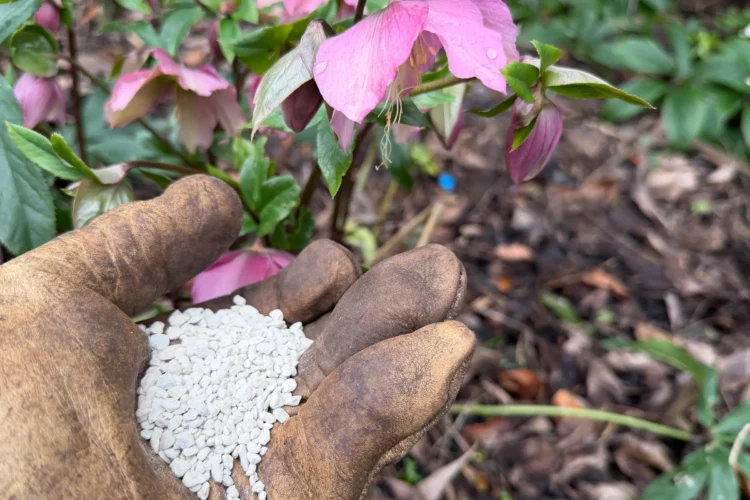
Sulphate of Potash is a valuable source of potassium, an essential nutrient that supports flowering, fruiting, and overall plant strength. It is widely used in vegetable gardens, on fruit trees, and with flowering plants where improved yields and blooms are the goal.
Often applied alongside other fertilisers such as organic blends or general garden feeds, it plays a key role in balanced plant nutrition.
What Does Sulphate of Potash Do?
Potassium is one of the three major plant nutrients (alongside nitrogen and phosphorus). Adding sulphate of potash can help:
- Improve flowering and fruiting
- Strengthen plant cell walls
- Encourage healthy root development
- Increase resistance to disease and stress
Because it is low in nitrogen, it promotes blooms and fruit rather than leafy growth.
Sulphate of Potash vs Potash – What’s the Difference?
“Potash” is a general term used for potassium-based fertilisers. Sulphate of Potash (also known as potassium sulphate) is a specific form that:
- Contains potassium and sulphur
- Does not significantly raise soil pH
- Is suitable for a wide range of plants
Other forms, such as muriate of potash, can be harsher and less suitable for sensitive plants.
How to Use Sulphate of Potash
Application Rates (General Guide)
- Vegetable gardens: 40g per square metre
- Fruit trees: 20 g per square metre
Apply by lightly raking or digging into the soil, taking care not to disturb plant roots. Always follow label directions, as formulations vary.
When to Apply
- Best applied from early spring through summer
- Use during active growth and before flowering or fruiting
How Often Should You Use It?
For most home gardens, applying once or twice during the growing season is sufficient. Heavy feeders like tomatoes and fruiting crops may benefit from a second light application.
Best Plants to Use It On
Sulphate of potash is especially useful for:
- Tomatoes and other fruiting vegetables
- Citrus and fruit trees
- Flowering plants and ornamentals
- Root crops
Tomatoes, in particular, benefit from an early application once seedlings are established, helping to encourage flowering and earlier fruit production.
What Plants Don’t Like Sulphate of Potash?
While generally safe, some plants are less responsive or may not require additional potassium:
- Native plants adapted to low-nutrient soils
- Plants already in potassium-rich soil
- Some leafy greens, where nitrogen is more important
Overuse can lead to nutrient imbalance, so it’s best applied where flowering and fruiting are the priority.
Soil Considerations
Unlike some alternatives, sulphate of potash has minimal effect on soil pH. However, understanding your soil is still important.
You may wish to refer to related topics such as:
- Use of Lime in the garden
- Soil pH tests and meters
These help ensure nutrients are available to plants in the right balance.
Organic and Alternative Sources
While sulphate of potash is typically mined from natural deposits, there are alternative ways to supply potassium:
- Wood ash – A natural source, but can raise soil pH
- Organic fertilizers
- Vermicast fertilizers (worm-based fertilisers)
Home systems such as compost tumblers and worm farms can also contribute to overall soil fertility, though potassium levels may vary.
Another Name for Sulphate of Potash
Sulphate of potash is also known as potassium sulphate. Both terms are used interchangeably in gardening and agriculture.
Tips for Best Results
- Test Your Soil First
Apply only if a soil test indicates a potassium deficiency. - Follow Recommended Rates
A little goes a long way—always follow product directions carefully. - Apply to Moist Soil
Water in well after application to help nutrients reach the root zone. - Use in Moderation
Best used as a targeted boost for flowering and fruiting plants, not as a general-purpose fertiliser. - Combine if Needed
Can be used alongside a balanced fertiliser where overall nutrition is required - Focus on the Right Plants
Most effective on fruiting crops, flowering plants, and trees rather than leafy growth.
Signs of Over-Application
Too much sulphate of potash can cause nutrient imbalances. Watch for:
- Yellowing leaves (often linked to magnesium deficiency)
- Leaf tip or margin burn
If symptoms appear, reduce application rates and water thoroughly to help flush excess nutrients from the soil.
You may also be interested in


