
If you don’t have a garden, or you want to grow dahlias on a balcony or paved courtyard, growing them in pots is a great option. Dahlias adapt well to containers as long as you choose the right variety and provide the right conditions.
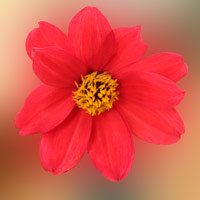
Dahlias such as Aitara Diadem are a great choice for pots. Compact formal decorative flowers on a plant that reaches around 1.5 to 3 feet.
Choosing the Right Dahlia
Some dahlias grow very vigorously and can become tall and heavy, making them less suitable for pots. Smaller growing varieties are the best choice for containers as they are more compact and easier to manage.
Lower growing types such as Dahlia ‘Mystic Illusion’ or varieties from the Gallery and Mystic series are ideal and often require little to no staking.
Choosing the Right Pot
The pot you choose needs to be large enough to support both tuber and root growth. A container of at least 300 mm (12 inches) in diameter is recommended for good results.
Make sure the pot has good drainage holes, as dahlias do not tolerate wet or soggy soil. Terracotta pots dry out faster, while plastic pots retain moisture longer, so adjust watering accordingly.
How to Plant Dahlias in Pots
Dahlias are heavy feeders and prefer rich, well-draining soil. Use a high-quality potting mix and improve it by adding compost and around 2 cups of aged cow manure.
Plant the tuber about 10 cm deep, with the eye positioned slightly above the rest of the tuber. Water lightly after planting.
Once shoots appear, apply mulch to help retain moisture and keep the roots cool.
General Care for Dahlias in Pots
Dahlias perform best in a frost-free position with plenty of light.
- Position: Full morning sun with afternoon shade is ideal, especially in warmer climates. Shade cloth (50–70%) can help in hot conditions.
- Watering: Keep the soil consistently moist but not waterlogged. Pots may need watering daily during warm weather.
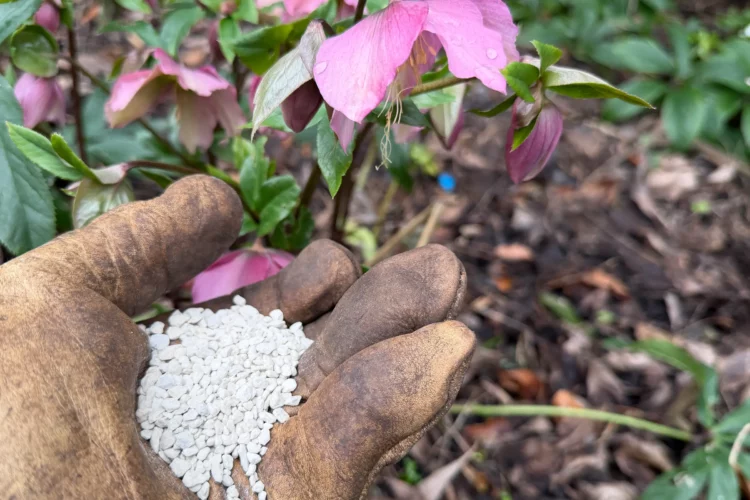
- Feeding: Use a liquid fertiliser every 2–3 weeks. Avoid high nitrogen fertilisers, as they promote leaves over flowers.
- Flowering: Apply sulphate of potash to encourage blooms.
- Support: Taller varieties will need staking. Insert stakes at planting time to avoid damaging the tuber.
- Maintenance: Deadhead regularly to encourage more flowers and a longer flowering season.
- Health: Watch for pests such as aphids and mites, especially in warm conditions.
Fertilising Schedule For Dahlias
| Growth stageNorthern HemisphereSouthern HemisphereFeedingEarly SpringAprilOctoberApply a slow-release balanced fertiliser when planting or as new shoots emerge.Late SpringMayNovemberBegin feeding with a balanced liquid fertiliser every 2 weeks.Early SummerJuneDecemberContinue fortnightly feeding. Once flower buds appear, switch to a high-potassium fertiliser every 2 weeks.Mid SummerJulyJanuaryContinue regular feeding with a high-potassium fertiliser while plants are flowering.Late SummerAugustFebruaryReduce feeding as flowering slows.AutumnSeptemberMarchStop feeding once plants begin to die back or after the first frost (or when dormancy begins in frost-free areas). |
|---|
Winter Care
Once the foliage dies back, you can remove the tubers and store them in a cool, dry place over winter. Replant in spring once the danger of frost has passed.
In milder climates, dahlias can remain in pots over winter as long as they are kept relatively dry and protected from excessive rain.
Top Tip
When buying dahlias for growing in pots, choose compact or dwarf varieties. These are easier to manage, require less staking, and produce excellent flowers in containers.
The lower growing types such as Dahlia Mystic Illusion will need very little or no support.
Dahlia Varieties Best Suited to Containers +