Palmer’s Sedum
Sedum palmeri is a low-growing, evergreen ground cover succulent that reaches around 15cm in height.
With a natural trailing habit, it slowly spreads to form a dense clump, making it a reliable choice for a range of garden situations.
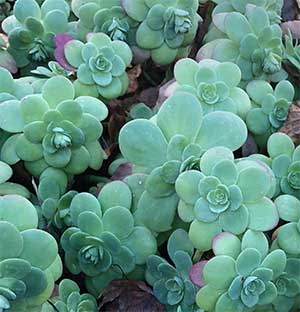
It features tight rosettes of foliage and produces bright yellow flowers from winter through to spring, adding colour when many other plants are not in bloom.
Key Features
- Low-growing, spreading ground cover
- Evergreen foliage forming tight rosettes
- Bright yellow flowers in winter to spring
- Drought tolerant and easy care
- Suitable for rock gardens, borders, and containers
Growth Habit and Size
Sedum palmeri forms a compact, spreading clump over time.
- Height: Around 15cm
- Spread: Up to 50cm
- Growth habit: Low, trailing and clumping
It spreads steadily but is not considered invasive, making it easy to manage in most garden settings.
Flowers and Foliage
This plant provides both seasonal flowers and year-round foliage interest.
- Flowers: Yellow, daisy-like blooms
- Flowering time: Late winter to spring
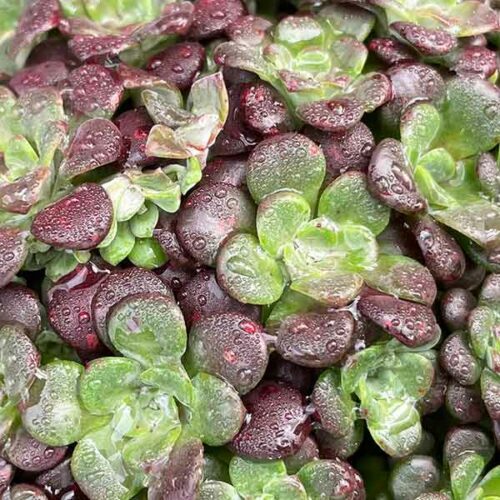
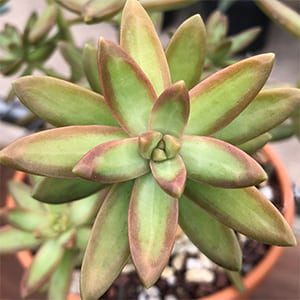
- Foliage: Blue-green rosettes
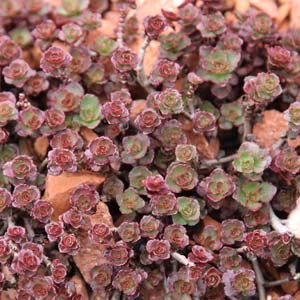
- Colour variation: Rosy pink tones develop in full sun or cooler weather
In shadier conditions, foliage tends to remain a softer pale green.
Growing Conditions
Sedum palmeri is adaptable and easy to grow in a range of conditions.
- Position: Full sun to light shade (afternoon shade in warm climates)
- Soil: Well-drained, preferably humus-rich
- Watering: Very low once established
- Climate: Frost tolerant and drought tolerant
For best colour and compact growth, a sunny position is preferred.
How to Use Sedum palmeri in Rock Gardens
Like many of the Stonecrops, Sedum palmeri is well suited to rock gardens, where its spreading habit can be used to fill gaps and soften edges.
Plant it among rocks or on slightly raised areas to improve drainage. Its ability to tolerate dry conditions makes it ideal for these environments.
The winter to spring flowering period also adds seasonal interest to rockeries when many other plants are not in bloom.
Best Companion Plants for Sedum palmeri
This sedum combines well with other drought-tolerant plants.
Good companion plants include:
- Other succulents and sedums
- Low-growing perennials for mixed borders
- Small ornamental grasses
- Plants with contrasting foliage colours
Pairing with silver, grey, or darker green foliage plants helps highlight its blue-green tones and seasonal colour changes.
Uses in the Garden
Sedum palmeri is a versatile landscaping plant.
- As a ground cover in dry areas
- In rock gardens and gravel beds
- Along the edges of garden borders
- In containers and pots
- Suitable for slopes and raised areas
Its low maintenance nature makes it a good choice for difficult or low-water areas.
Planting Tips
Getting the planting right will ensure good establishment.
- Choose a well-drained position or plant on a slight mound
- Water in with a liquid seaweed fertiliser
- Allow soil to dry between watering
- After the first summer, watering requirements are minimal
Good drainage is essential for long-term success.
Care and Maintenance
Once established, this is a very easy plant to look after.
- Rarely needs watering
- Prune at any time to maintain shape
- Remove or trim back spreading stems as needed
- Cut back in spring to encourage compact growth
It responds well to light pruning and is easy to control.
Propagation
Propagation is quick and reliable.
- Divide established clumps
- Take stem cuttings
- Both methods establish easily in suitable conditions
This makes it easy to expand plantings or fill new areas.
Common Issues
Generally trouble-free, but watch for:
- Poor drainage leading to root rot
- Leggy growth in too much shade
- Reduced colour in low light
Providing good light and drainage will prevent most problems.
More Sedum Varieties