

Pulsatilla, commonly known as the Pasque Flower, is a charming spring-flowering perennial prized for its silky, nodding blooms and finely divided foliage. While there are around 30 species, it is Pulsatilla vulgaris that is most widely grown—and for good reason.
Growing to around 30cm tall, it forms soft mounds of finely haired, light green foliage. The flowers, often appearing slightly oversized for the plant, rise above the foliage in shades ranging from deep red to bluish-purple.
Within Pulsatilla vulgaris, you’ll find a number of attractive forms:
- ‘Papageno’ – large soft pink flowers
- ‘Pearl Bells’ – creamy white blooms
- ‘Red Bells’ – rich, deep red flowers
All share the same delicate beauty and are well suited to cool-climate gardens.
How to Grow Pulsatilla (Basic Care)
Pulsatilla are surprisingly hardy once established, provided their basic needs are met.
Position
- Full sun to light afternoon shade
- Protection from harsh, hot afternoon sun is beneficial
Soil
- Humus-rich and well-drained
- Neutral to slightly alkaline preferred
- Excellent drainage is essential, especially in winter
Watering
- Moderate moisture during spring growth and flowering
- Allow soil to dry out during summer dormancy
Maintenance
- Cut back foliage in late autumn to tidy plants
- Divide clumps in autumn if needed (with care)
- Once established, plants are drought tolerant
In ideal conditions, Pulsatilla will self-seed freely, making them perfect for naturalistic or meadow-style plantings.
Growing Pulsatilla in Cool to Mediterranean & Similar Climates
Pulsatilla species naturally prefer cool climates with sharp drainage—conditions that can be replicated successfully in many gardens with a few adjustments.
Key Considerations
- Drainage is critical: Raised beds, rock gardens, or scree beds work best
- Afternoon shade helps: Prevents scorching in hotter months
- Winter chill is beneficial: Encourages strong flowering
- Avoid root disturbance: Deep taproots resent transplanting
For best results, start with easier species such as Pulsatilla vulgaris and its hybrids.

Soil & Site Preparation
To mimic their natural alpine conditions:
- Choose a sunny, open position
- Improve drainage by adding:
- Grit
- Coarse sand
- Gravel
- Avoid heavy, waterlogged soils, particularly in humid summers
A slightly sloping site is ideal, helping water run off and keeping roots cool.
Watering & Seasonal Care
- Water regularly during spring growth and flowering
- Reduce watering as plants enter summer dormancy
- Apply a light gravel mulch to:
- Keep roots cool
- Improve drainage
- Suppress weeds
Once established, Pulsatilla are quite drought tolerant.

Planting & Propagation
Because Pulsatilla is a genus with sensitive taproots you need to avoid transplanting as much as possible:
- Plant from small pots or seedlings
- Avoid disturbing established plants
- Sow fresh seed in autumn for best results (natural cold stratification helps germination)
In suitable conditions, plants will self-seed and gradually form natural drifts.
Best Companion Plants
Pulsatilla pairs beautifully with other low-growing, non-competitive plants that enjoy similar conditions.
Flowering Companions
- Crocus
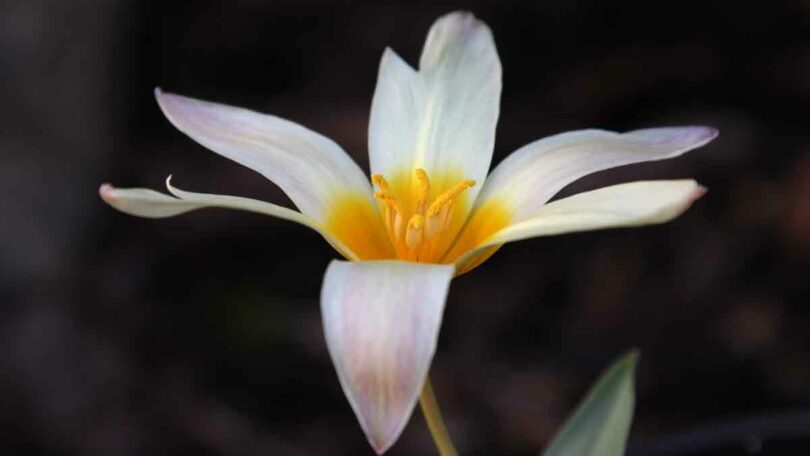
- Miniature narcissi (e.g. ‘Tête-à-tête’)
- Dwarf tulips
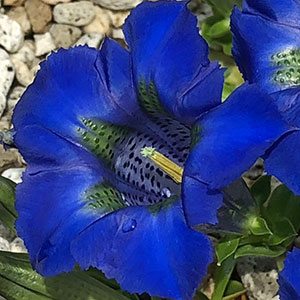
- Gentians (for intense blue contrast)
- Primula species
Groundcovers & Fillers
- Sedums and Sempervivums
- Creeping thyme (Thymus serpyllum)
- Low, seasonal spreaders that won’t compete
Structural Plants
- Cushion plants like Armeria maritima
- Silver foliage such as Artemisia
- Fine grasses like Festuca glauca (used sparingly)


A Perfect Pairing: Pulsatilla & Anemone nemorosa
One particularly effective companion plant is Anemone nemorosa.
Why it works
- Seasonal timing:
Flowers early alongside Pulsatilla, then dies back before summer - Shared conditions:
Both prefer well-drained soil and moderate moisture - Visual contrast:
White star-like flowers highlight Pulsatilla’s rich purples and reds - Non-competitive growth:
Spreads gently without disturbing deep roots
Plant them around 15–20cm apart for a natural, layered effect.
Final Tips for Success
- Prioritise drainage above all else
- Avoid disturbing roots once planted
- Use gravel mulch instead of organic mulch
- Let plants self-seed for a natural look
- Start with easy varieties such as Pulsatilla vulgaris, before trying alpine species such as Pulsatilla alpina and P.grandis.
With the right setup, Pulsatilla is not only easy to grow but incredibly rewarding—bringing soft texture, early colour, and unique seed heads to the garden year after year.
Growing Pulsatilla in Pots & Containers
Pulsatilla can be grown very successfully in pots and containers, provided you recreate their natural alpine conditions—excellent drainage, cool roots, and minimal disturbance. Container growing is especially useful in climates like Melbourne, where rainfall and summer heat can be unpredictable. With the right setup, potted Pulsatilla are easy to manage and can even perform better than those in heavy garden soils.
Key Tips for Success
- Use a deep pot to accommodate the long taproot (at least 20–25cm deep)
- Choose terracotta pots where possible for better airflow and drainage
- Ensure pots have large drainage holes
Potting Mix
- Use a free-draining mix, not standard potting soil
- Ideal mix:
- 1 part good quality loam or premium potting mix
- 1 part compost or leaf mould
- 2 parts grit, coarse sand, or fine gravel
- Add a handful of lime or limestone chips if soil is too acidic
Position
- Place in full sun to light afternoon shade
- Protect from harsh afternoon heat, especially in summer
- Keep in an open, well-ventilated area
Watering
- Water moderately during active growth (spring)
- Allow the mix to dry slightly between watering
- Reduce watering significantly during summer dormancy
- Never allow pots to sit in water
Feeding
- Minimal feeding required
- Apply a light, low-nitrogen fertiliser in early spring if needed
- Avoid overfeeding—this can lead to weak growth
Seasonal Care
- Foliage will die back in summer—this is normal
- Keep pots on the dry side during dormancy
- Cut back dead growth in late autumn
- Ensure excellent winter drainage to prevent rot
Repotting & Root Care
- Avoid repotting unless absolutely necessary
- If needed, do so when plants are young and small
- Disturb roots as little as possible—Pulsatilla dislike transplanting
Propagation in Pots
- Best grown from seed rather than division
- Sow fresh seed in autumn for natural cold exposure
- Seedlings establish well in small pots before planting out
Extra Tips
- Top pots with a gravel mulch to:
- Improve drainage
- Keep crowns dry
- Reduce weeds
- Raise pots slightly off the ground to improve drainage
- Ideal for rock garden displays, patios, or small spaces
With the right container setup, Pulsatilla can thrive for years, producing their distinctive nodding flowers followed by attractive, feathery seed heads.
If you look a little further into the genus you find rare and wonderful forms such as :
- Pulsatilla halleri ssp rhodopaea a wonderful spring flowering species from Greece through to Bulgaria. Here it grows in open grasslands, we think a little lime in our soils may be of assistance.
- Pulsatilla occidentalis with its creamy white flowers is another worth looking for.
- Pulsatilla alpina ssp. apiifolia with its yellow flowers is another, although rare in Australia.
- P. patens
Building a Scree Bed (Highly Recommended)
A scree bed is one of the best ways to grow Pulsatilla in many climate zones, especially in areas with wet summers. This can incorporated into a rock garden if desired.
Why it works
- Provides excellent drainage
- Mimics natural alpine slopes
- Keeps roots cool and dry
Basic Construction
Materials
- Large rubble or stones (base layer)
- Gravel
- Free-draining soil mix (loam + compost + grit)
Steps
- Dig out the area (30–45cm deep)
- Add a base layer of large rubble (15–20cm)
- Top with gravel (10–15cm)
- Finish with a free-draining soil mix (7–10cm)
- Slightly slope the surface for runoff
- Plant with 20–30cm spacing
Mulch with fine gravel and water lightly until established.
Where To Buy
PO Box 7040 Leura NSW 2780
Rare woodland plants, Trilliums Epimediums, Arisaemas, plus much more.www.lynnsrareplants.com.au

138 Olinda-Monbulk Rd, Olinda VIC 3788
"Large range of rare and unusual plants.."
www.gentiananursery.au

412 James Lane, Fern Hill VIC. 3458 - Phone 0419002651
Large range of Rare plants, Climbers, Bulbs, Perennials Fruit Trees, Ornamental Trees and Shrubs. Available both Retail and by Mail Order
www.whitehousenursery.com.au