
How to protect your plants from extreme heat and sun.
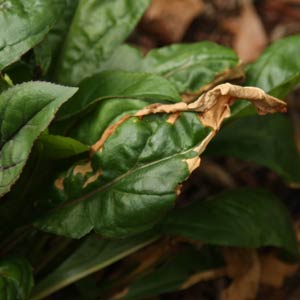
During summer, especially when temperatures climb above 35°C, many garden plants will benefit from a little protection from the sun. Extended periods of hot weather, drying winds and heatwaves can quickly cause stress, leading to scorched leaves, wilting and dry soil.
The two biggest problems gardeners face during hot weather are leaf scorch and soil drying out far too quickly, particularly on hot, windy days. Knowing how to protect plants from extreme heat can help them recover more quickly and reduce lasting damage.
Why do plants suffer in extreme heat?
Leaf burn or leaf scorch is caused by intense sunlight combined with dehydration. During hot weather plants lose moisture through their leaves faster than their roots can replace it.
In prolonged heat, some of the finer surface roots may also die back. These roots are responsible for taking up much of the available moisture, so once they are damaged the plant simply cannot absorb enough water to keep itself hydrated.
As a result, leaves may develop brown, crispy patches, wilt during the day or become permanently scorched.
How to Protect Plants from Extreme Heat and Sun
On very hot days, helping plants conserve moisture is the best way to reduce heat stress.
A few simple measures can make a big difference:
- Increase the amount of moisture available to the plant.
- Water deeply rather than lightly, allowing moisture to reach the root zone.
- Avoid overwatering, as constantly wet soil can create other problems.*
- Apply mulch to help keep the root zone cool and reduce evaporation.
- Improve soil structure over time by adding compost and organic matter to increase the soil’s ability to retain moisture.
Watering early in the morning is generally the best option. This gives plants time to absorb moisture before the hottest part of the day while reducing water lost through evaporation.
Can you cure leaf scorch?
Unfortunately, leaves that have been damaged by the sun will not recover. Once leaf tissue has been scorched it remains damaged.
That doesn’t mean the plant will die, and it certainly doesn’t mean you should reach for the secateurs straight away.
Many plants will recover naturally as temperatures cool, especially if they receive adequate moisture and some protection from direct afternoon sun.
Avoid pruning damaged foliage immediately. Those damaged leaves still provide shade for the healthier parts of the plant and help protect stems and developing growth from further sun damage. Leave pruning until autumn or even the following spring, when new growth has appeared.
Which plants are most at risk?
Plants that have been recently planted, have shallow root systems or naturally prefer cooler, shaded conditions are usually the first to suffer during a heatwave.
Container plants are also particularly vulnerable because potting mix dries out much faster than garden soil. These may require watering more frequently during extended periods of hot weather.
Providing temporary shade
One of the easiest ways to protect plants from the harsh afternoon sun is to provide temporary shade.
- Use shade cloth over plants that need protection.
- Old sheets, lightweight fabric or similar materials also work well.
- The covering doesn’t need to be elaborate—it simply needs to reduce direct sunlight.
- Support the material so it sits above the plants rather than resting heavily on the foliage.
- Tough shrubs such as camellias will often tolerate lightweight shade cloth draped directly over them for short periods.
Even a few days of temporary shade during an extreme heat event can significantly reduce plant stress.
Quick tips for protecting plants during a heatwave
- Water deeply rather than frequently.
- Water early in the morning whenever possible.
- Apply mulch to reduce moisture loss.
- Provide temporary shade during extreme heat.
- Delay pruning until the weather cools.
- Improve your soil over time so it holds more moisture and supports healthier root systems.
Healthy soil, consistent watering and a little temporary shade are often all that’s needed to help plants come through even the hottest days of summer.
*Overwatering can cause root rot because excessively wet soil contains less oxygen around the roots. Water thoroughly, but allow the soil to drain before watering again.
Plan your garden for hot summers
Temporary shade works well during heatwaves, but thoughtful planting is the best long-term solution.
When designing garden beds, consider using larger, more heat-tolerant plants to shelter those that are more susceptible to hot afternoon sun. Shrubs, hedges and taller perennials can all provide useful protection by reducing direct sunlight and drying winds.
Trees are particularly valuable. Well-positioned deciduous trees provide cooling shade throughout summer while allowing welcome sunlight to reach the garden during winter after their leaves have fallen. In many gardens they create a cooler microclimate that benefits neighbouring plants and reduces the need for frequent watering.
Layering plants in this way also helps reduce soil temperatures, slows moisture loss and creates a more resilient garden during periods of extreme heat.
In our increasingly hot summers, creating small microclimates within the garden is becoming more important. Use shade trees on the western side/afternoon sun side of the garden where practical, plant taller heat-tolerant shrubs to protect more delicate plants, and group plants with similar water needs together. Over time you’ll create a garden that naturally copes better with heat, rather than relying on temporary shade every summer.
You may also be interested in