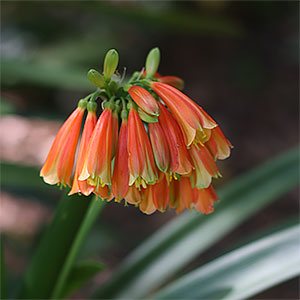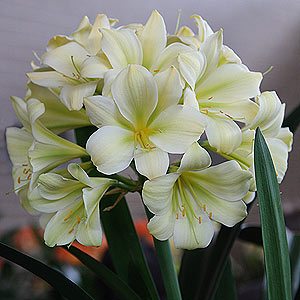

Clivias are rewarding plants to grow, you can Propagate Clivia from Seed and by Division. Propagation from seed brings an element of surprise to the process.
Seed-grown plants can vary in flower colour and form — occasionally producing new shades or foliage types not seen before. For those who enjoy experimentation, growing clivia from seed offers a fascinating way to extend your collection.
While seed propagation reveals natural variation, dividing mature clivia plants is the easiest and most reliable method for consistent results. Division gives identical flowers to the parent plant and produces healthy offsets that establish quickly.
Seed-grown clivias, on the other hand, take patience — they generally need 4 to 7 years to reach flowering size.
Growing Clivia from seed
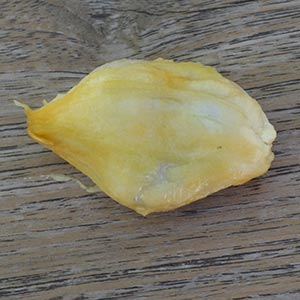
Seed propagation is slower but fascinating. The seed pods must ripen before harvest — mature berries turn red or yellow and soften slightly. Germination is delicate, as clivia seeds are prone to fungal damping off, so cleanliness and care are essential.
Preparing the Seeds
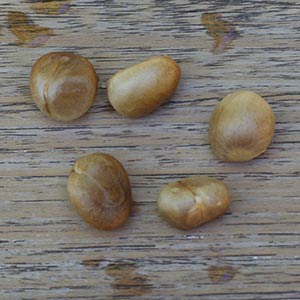
- Clean harvested seeds to remove any pulp or membrane.
- Fresh seed germinates best; if you live in a cooler region, wait until spring to start.
- Place cleaned seeds between moistened paper towels inside a plastic container or bag, kept warm but not wet.
- Alternatively, use sphagnum moss instead of paper towel to maintain moisture balance.
After a few weeks, you’ll notice tiny root growth — a sign they’re ready for potting.
Potting Seedlings and Care
- Use a sterile, free-draining mix of half coarse sand and half fine pine bark.
- Make small holes with a pencil for the tap roots and place seeds about 1 cm deep, finishing with a thin layer of sharp sand.
- Position pots in warm shade, misting lightly every few days to keep the mix damp, not soggy.
- Individual tubes work best — early transplanting can stress young plants.
- During the growing season, apply a seaweed liquid fertiliser every two weeks, easing off on watering in winter.
Patience pays off. With consistent care, your seedlings will gradually develop into strong, mature plants ready to bloom in several years.
It is best to use a sterile potting mix rather than compost of garden soil as these can cause disease and damping off.
We like to grow in individual tubes as then we do not need to transplant or ‘pot on’ to early. Keep just slightly moist but not wet, use a liquid seaweed fertilizer every two weeks. Hold back on watering during winter
Propagation Clivia by division
Dividing established clivias is straightforward and ideal for maintaining healthy, vigorous plants.
Once your clivia forms a clump, look for offsets with at least six mature leaves — these are ready to divide.
- Lift the whole clump (or part of it if large), and gently trace each offset’s root system.
- Separate plants carefully, using a sharp, sterilised knife if needed, ensuring each division has its own roots.
- Minimise root damage and consider a fungicide dip to reduce disease risk.
- Replant divisions into a shaded, well-drained position and water lightly until established.
- In good growing conditions, mature clivia plants produce offsets every few years, allowing easy and regular propagation by division.
Hybridising Clivia by Cross-Pollination
If you’re keen to experiment and create new flower forms or colours, hybridising clivias through cross-pollination opens up exciting possibilities. When done carefully, cross-pollination allows you to combine traits from two different parent plants — blending colours, patterns, and leaf forms in unpredictable but rewarding ways.
How to Cross-Pollinate Clivia Flowers
- Select two healthy, flowering clivia plants. Choose one as the pollen donor and the other as the seed parent.
- Using a small soft brush, gently transfer fresh pollen from the donor’s anthers to the stigma of the seed parent.
- Label each cross clearly to track parentage and results later on.
- To prevent accidental pollination from insects or other plants, cover the fertilised flower with a breathable mesh or paper bag.
- The pollinated flower will develop seed pods over several months, ripening in late autumn or early winter.
Tips for Successful Hybridising
- Choose parent plants with distinctive traits — for example, deep orange flowers crossed with lighter yellow may yield softer peach tones.
- Keep your plants in consistent, sheltered conditions while the pods mature.
- Once the berries are ripe, follow the same seed cleaning and germination process outlined in the growing section above.
- Record details such as pollination date, colour of parents, and outcomes. These notes are valuable when selecting future breeding pairs.
Hybridising clivia is a long-term project — only after several years will you see flowers and know the result of your cross. For dedicated growers, this process can lead to truly unique cultivars and expand the diversity of Clivia available in Australia.