
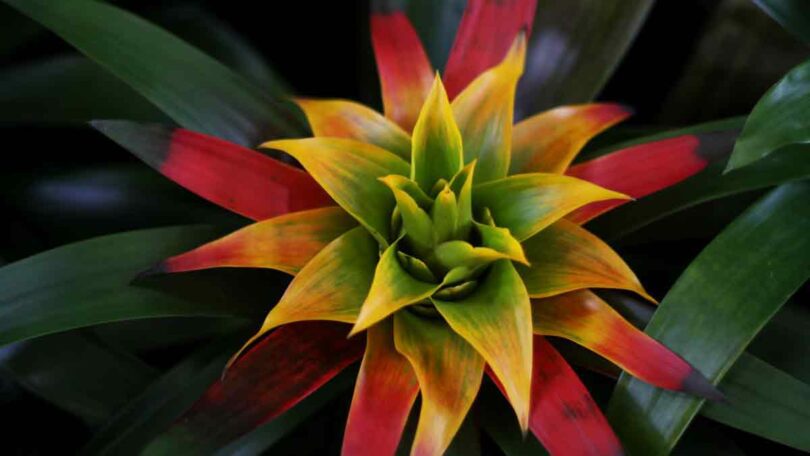
These are a fairly easy to care for plant, however with 100s of species Bromeliads do grow in a variety of climates and soil situations co Bromeliad Care and Culture will differ between species.
Growing bromeliads is increasingly popular due to the interesting, some might say fascinating flowers, foliage and forms available. Neophytum Galactic Warrior is a wonderful hybrid, well worth a look.
In the article below an experienced Bromeliad grower provides an insight into the different types of bromeliads including pictures, bromeliad culture, care instructions and growing tips.
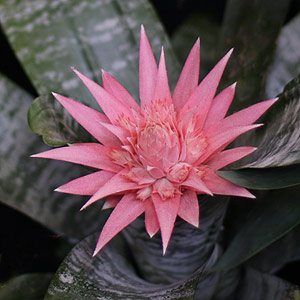
With proper care Bromeliads will produce great flowers as well as attractive foliage
Growing Bromeliads
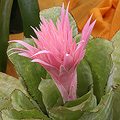
Before looking at the question of culture and care, knowledge of the different bromeliad types does give some clues to their individual culture and how to grow them. Below are some pictures of the most commonly cultivated bromeliad types
How To Grow Bromeliads

Many bromeliads are either epiphytes or lithophyte’s (growing on trees or rocks) and in warmer parts of Australia many people grow them that way by simply tying them to a tree or rock. Some bromeliads, like most Tillandsias and some Aechmeas often grow better this way. Tillandsias can be grown tied or glued to a piece of wood or small logs.
As a greenhouse plant, most bromeliads are grown in pots. The mix must be open and drain well, never use garden soil or dirt. Most commonly the mixes are a combination of pine bark, perlite, charcoal, porous volcanic rock (scoria) and sometimes a little coarse sand. Cymbidium orchid mix is probably the best commercial product available for potting them. Many people start with this mix and then add their preferred extras.
In the garden bromeliads can be used as landscaping plants by adapting the bedding mix for them. I usually dig a whole and fill it with small pebbles and pine bark and then place the plant in this. Often I do this and then just bury the pot in the gravel. This allows easy removal to harvest pups later. Remember that broms don’t like to be over potted and prefer smaller pots.
Aspects of Bromeliad Care and Culture
Light
Most broms like light and some Neoregelias and Tillandsias can grow out in direct sun.
However most like bright indirect or filtered light, with a little morning and or afternoon sun, such as under a tree, in a shade house or in a bright window or under a sky light.
They also like air movement. Guzmanias and Nidulariums like it a little shadier than the other types.
Temperature
When it comes to temperature, Broms grow in a wide range of habitats from sea level to high mountains. So there are broms, which can take varying degrees of frost and cold. Where I grow them we get frost to about -2 (occasionally) but our days are always warm.
Some broms get bad spotting on the leaves after a very cold frost. Many of the coastal ones could not take lots of days of frost and would need to be inside.
As the hybrids contain plants from all locations it is a case of trying and see . I have found some frost hardy and others are very sensitive.
Generally I give them some protection from continual heavy frost. If in doubt take them inside on very frosty nights.
Watering Bromeliads
Bromeliads like humidity but they can take dry weather if you provide a suitable micro- climate for them. There must always be water in the centre of most broms . (not tillandsias)
The frequency of watering will depend on your particular climate. During hot weather or if in heated conditions they need more frequent watering.
They also appreciate a good hose off with warm water (if in cold areas) regularly. I water them to drenching and flush out the centre reservoir and then let them dry off for a few days if it is not hot.
Most don’t like salty water or high chlorine water, particularly guzmanias, so a flush with rainwater regularly is helpful in some areas.
Pests and Diseases
Scale is the major pest. A spray with a non-oily scale spray (can cause leaf discolouration in some plants) a couple of times a year will help keep them clean. I also sprinkle a couple of Dysiston 50 granules in the cups a couple of times a year.
Never use copper based sprays or white oil or any oil based sprays, as they will kill the bromeliad . Keep the plants clean by pulling the old leaves off the base with a sideways action and this helps keep pests away.
Fungicides for Bromeliads
In very hot areas during hot humid weather, sometimes the water in the centre of the bromeliad can virtually cook it, the centre of the plant will turn red/pink and if you pull on the leaves the centre will fall out.
A fungus causes this and during very hot times they need a hose late each day to prevent fungal attacks, however this is very isolated .
A spray with Diazanon (Mancozeb) fungicide will prevent and cure the problem if seen early.
A with general sprays, use sulphur based fungicides with bromeliads as copper based fungicides can kill the plant. Manutec, Yates, Richgro and Kenso all make sulphur based fungicides.
Propagation
After your bromeliad flowers, it will send up side shoots from the base. These are called pups. The pup needs to be about one third the size of the mother plant to be ready to be removed.
Separating the Bromeliad pups from the plant
You can gently break or cut these off the mother plant using a sideways and down pulling action and plant them up separately.
With Guzmanias and Vrieseas you need to take some of the stem from the old mother . This does seem brutal but the plant can take it. Let the pups stand in a foam box for a few days to let the end dry.
With Neoregelias you can cut off the pup with a small pruning saw. You don’t have to have part of the mother plant’s stem.
After you break or cut the pups off, keep the mother plant, as it will put up more pups, several times. If you don’t want to separate the pups, just leave the plant and the pups will grow up and the mother will die off leaving a clump
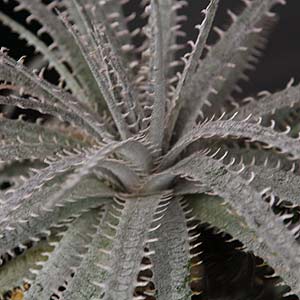
Just for something a little different, yes its a brom, pictured below is Dyckia fosteriana not to sure if you will find them for sale very often in Australia.
Fertilizer for Bromeliads
- Bromeliads like some form of feeding to grow and flower well. Guzmanias in particular need feeding otherwise they don’t perform there best.
- A long-term slow release fertilizer in the potting mix at the rate of a teaspoon full to a pot gives great results.
- Also foliar feeding with a well-balanced NPK ratio liquid fertilizer is beneficial. Dilute this down to about a quarter the strength of normal use.
- Generally bromeliads are very easy to grow.
Steve Ward. Copyright © 2005 (Riverside Broms). All rights reserved.
You may also be interested in