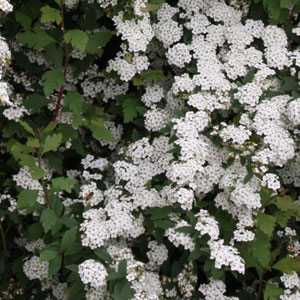
The Japanese Spiraea

Spiraea japonica, commonly known as Japanese Spiraea or Japanese Meadowsweet, is a versatile, easy-care, drought-tolerant flowering shrub prized for its long season of colour, attractive foliage, and pollinator-friendly blooms. Popular varieties include ‘Gold Flame’, ‘Anthony Waterer’ and ‘Genpei’ so whether you’re landscaping borders, mass planting for vibrant colour, or adding interest to mixed beds, there is a variety that delivers year after year with minimal fuss
Overview
- Botanical Name: Spiraea japonica
- Common Names: Japanese Spiraea, Japanese Meadowsweet
- Varieties: ‘Gold Flame’, ‘Anthony Waterer’ and ‘Genpei’
- Plant Type: Deciduous shrub
- Family: Rosaceae (rose family)
- Growth Habit: Low mound-forming shrub with dense branching
- Flower Colour: Shades of pink (varies by cultivar)
- Foliage: Green to lime or bronze tones, depending on variety
- Flowering Season: Late spring through summer
- Ideal Uses: Borders, low hedges, mass plantings, cottage gardens, pollinator gardens.
Spiraea japonica is admired for its colourful foliage and long-lasting blooms and makes an excellent low-maintenance addition to home gardens, especially in temperate climates
How to grow Spiraea japonica
Also know as Japanese Meadowsweet, these are a tough and adaptable plant, they grow well in poor soils as well its well drained and in wide range of climate zones depending on the species and the cultivar you should be able to find a spirea for all areas except tropical zones and very cold areas.
Sunlight:
- Thrives in full sun for best flowering and vibrant foliage.
- In hotter climates, afternoon shade can help reduce stress.
- In cooler areas, aim for as much direct sun as possible.
Soil:
- Prefers well-drained soil, but is tolerant of a wide range of soil types.
- Rich, humus-based soil will encourage best growth and flowering.
Watering:
- Once established, Japanese Spiraea is drought tolerant.
- Water consistently during establishment and during prolonged dry spells.
- Avoid waterlogging to prevent root issues.
Hardiness:
- Performs well in most temperate climates.
- Frost hardy once established; young plants benefit from mulch protection.
Planting & Care
Planting Steps
- Choose a Position: Full sun to partial shade with good airflow.
- Prepare Soil: Add organic matter for better moisture retention and drainage.
- Planting Depth: Plant so the crown sits level with the soil surface.
- Mulch: Apply mulch around the base to lock in moisture and suppress weeds.
- Water In: Water deeply at planting, then regularly until established.
Pruning & Maintenance
When to Prune:
- Prune in late winter to early spring before new growth begins.
- Because Spiraea japonica blooms on new wood, pruning before bud break encourages robust flowering.
How to Prune:
- Trim back by 1/3 to 2/3 to maintain shape and encourage dense growth.
- Older plants can be rejuvenated with a harder cut; they reshoot vigorously.
S japonica is pruned differently to S.cantoniensis
Fertilising:
- Apply a slow-release organic fertiliser in spring to support healthy growth and repeat flowering.
Landscaping and Garden Uses
- Low Hedging: Great for defining garden edges and creating soft, colourful borders.
- Mass Planting: Provides a striking visual impact when used in groups or drifts.
- Mixed Beds: Pair with evergreens or perennials for multi-season interest.
- Pollinator Gardens: Clusters of tiny flowers attract bees and other beneficial insects.
Its compact habit and variety of cultivars (such as ‘Goldflame’ with bronze-to-yellow foliage and deep pink blooms) make it a flexible choice in both small and larger garden settings.
Popular Cultivars
Here are a few crowd-pleasers:
- ‘Goldflame’ – Striking foliage colour from red to gold, plus mid-summer pink flowers. Ideal for small gardens, borders, or low hedges.
- ‘Anthony Waterer’ – Deep pink flowers and a slightly larger habit.
- ‘Genpei’ – Low spreading form with mixed pink and white blooms.
Benefits & Wildlife Value
- Attracts pollinators: Bees, butterflies, and beneficial insects frequent the blooms
- Erosion Control: Its root structure helps stabilise soil on slopes.
Quick Care Summary
- Light – Full sun (best) to partial shade
- Soil – Well-drained, humus rich
- Water – Moderate; drought tolerant once established
- Pruning – Late winter – early spring
- Fertiliser – Spring slow-release organic
- Uses – Borders, mass plantings, hedging
Related and Companion Plants