Euonymus alatus – The Burning Bush
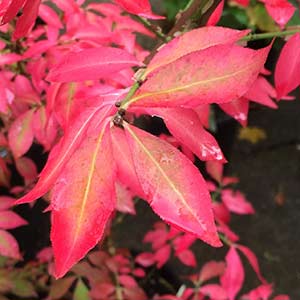
Also known as the “Burning Bush” or “Spindle Bush,” Euonymus alatus is a medium-sized deciduous shrub celebrated for its fiery autumn colour and strong resilience under Australian conditions.
Native to parts of Asia (China, Japan, Korea), this plant adapts well to hot summers and shows brilliant reds and crimsons from the start of autumn — making it one of the top shrubs for seasonal impact.
Landscaping Uses
- Feature plant — The autumn foliage of Euonymus alatus makes it a striking standalone specimen.
- Hedging & screening — Can be planted in rows to create hedges, offering seasonal variation rather than static greenery.
- Mixed borders & garden beds — Works beautifully in mixed borders, especially when under-planted with spring or autumn flowering bulbs to extend seasonal interest.
How to Grow and Basic Care
- Soil Use humus-rich, well-drained soil that retains some moisture. Avoid heavy soggy soil.
- Light Full sun is acceptable; however, dappled or partial shade often results in healthier growth and still delivers excellent autumn colour.
- Water & Drought Tolerance Once established, it tolerates periods of dryness — a plus for low-maintenance gardens.
- Pruning Easy to shape; if you wish to control size or form, prune in early spring before new growth begins.
Pruning Euonymus alatus
The best time to prune Euonymus alatus is early spring, just before new growth begins. At this stage the shrub is still dormant, allowing cuts to heal quickly and reducing any stress on the plant. Pruning at this time also encourages a strong flush of new foliage in the coming growing season.
Hard Pruning (Renovation Pruning)
If the plant has become overgrown, woody, or sparse inside, it can be hard-pruned. Cut it back quite heavily in early spring — even to 30–60 cm above the ground if necessary. Euonymus alatus is resilient and will quickly shoot new growth from the old wood. A full rejuvenation prune only needs to be done every few years.
Euonymus alatus Varieties
- Typical specimens reach 2–3 metres in height, with a similar spread.
- For smaller spaces, the cultivar Euonymus alatus ‘Compactus’ is a great choice — reaching around 2 m, with the same autumn colour and ornamental value.
Summary and Quick Facts
- Common Names: Burning Bush, Winged Spindle Tree, Spindle Bush
- Botanical Name: Euonymus alatus
- Plant Type: Deciduous shrub
- Origin: China, Japan, Korea
- Height: 2–3 m (or ~2 m for ‘Compactus’)
- Spread: 2–3 m
- Foliage: Green → brilliant crimson/red in autumn
- Flowers: Small, green, not ornamental
- Fruit: Pink-red capsules, bird-attracting
- Position: Full sun to part shade
- Soil: Moist, well-drained, humus-rich
- Water: Moderate; drought-tolerant once established
- Climate: Cool to temperate
- Maintenance: Low; prune in early spring
- Uses: Feature shrub, hedging, mixed borders, structural winter interest
- Special Feature: Distinctive corky “wings” on stems
Other Euonymus Species