

A Foliage Plant with Seasonal Interest
Ageratina altissima ‘Chocolate’, formerly known as Eupatorium rugosum ‘Chocolate’, is a hardy herbaceous perennial from North America grown as much for its attractive foliage as for its flowers.
The rich chocolate-toned new growth is what makes this plant stand out in the garden, although the foliage gradually matures to deep bronze-green tones as the season progresses.
In autumn, masses of fluffy white flower clusters rise above the dark foliage creating an excellent contrast and adding late season colour to shaded garden areas.
An Excellent Plant for Shade
One of the great strengths of Ageratina altissima ‘Chocolate’ is its adaptability. Once established it performs well in dry shade beneath trees, yet it is equally at home in a sunny border provided moisture is available during establishment.
Its upright clump forming habit makes it useful in woodland gardens, mixed perennial borders and informal cottage style plantings.
The flowers are also attractive to bees and beneficial pollinators, adding wildlife value to the garden during autumn when many other perennials are fading.
Foliage and Flowers
The foliage emerges in spring with rich dark chocolate colouring before gradually softening to bronze-green.
By late summer into autumn the plant produces broad clusters of soft white flowers held above the foliage on upright stems. Both the flowers and foliage are useful for cutting and can be used successfully in floral arrangements.
How To Grow Ageratina altissima ‘Chocolate’ – Basic Care
Ageratina altissima ‘Chocolate’ is regarded as an easy care perennial once established.
Position
Best grown in part shade to full sun, although in warmer climates some afternoon shade is beneficial.
It is particularly useful beneath deciduous trees where it receives winter light and summer protection.
Soil
For best growth plant in a humus rich, well drained soil. Although adaptable to a range of soil types, improving the soil with compost before planting will encourage stronger growth and better foliage colour.
Watering
Water regularly through the first summer while plants establish.
Once established this is a reasonably drought tolerant perennial, especially in shaded positions, however occasional deep watering through extended dry periods will keep plants looking their best.
Pruning and Maintenance
As a herbaceous perennial, the plant dies back completely during winter before reshooting from the base in spring.
Old stems can be cut back in late winter as new growth begins to emerge.
Some gardeners also prune plants lightly in late spring to early summer to reduce height and encourage a denser, bushier growth habit.
Propagation
Propagation is easiest by division of established clumps.
Lift and divide plants from late winter to early spring before active new growth begins. Divisions establish readily when replanted into improved soil.
Garden Uses
Ageratina altissima ‘Chocolate’ works well in a range of garden styles including:
- Woodland gardens
- Cottage gardens
- Shaded perennial borders
- Informal planting schemes
- Wildlife friendly gardens
The dark foliage combines particularly well with silver, lime green and soft purple foliage plants.
Why Grow Ageratina altissima ‘Chocolate’?
These combinations help highlight the rich dark foliage throughout the growing season.
- Attractive dark chocolate-bronze foliage
- Masses of white flowers in autumn
- Excellent for dry shade
- Easy care and adaptable
- Attracts bees and pollinators
- Useful cut flower and foliage plant
- Suitable for woodland and cottage gardens
Quick Growing Notes
| Feature | Details |
|---|---|
| Botanical Name | Ageratina altissima ‘Chocolate’ |
| Synonym | Eupatorium rugosum ‘Chocolate’ |
| Common Name | White Snakeroot |
| Plant Type | Herbaceous perennial |
| Height | Around 1–1.5 metres |
| Position | Part shade to full sun |
| Soil | Humus rich, well drained |
| Water Needs | Moderate during establishment |
| Flower Colour | White |
| Foliage Colour | Chocolate to bronze-green |
| Flowering Time | Autumn |
| Wildlife Value | Attracts bees and pollinators |
Companion Plants
Good companion plants include:


- Hostas
- Heucheras
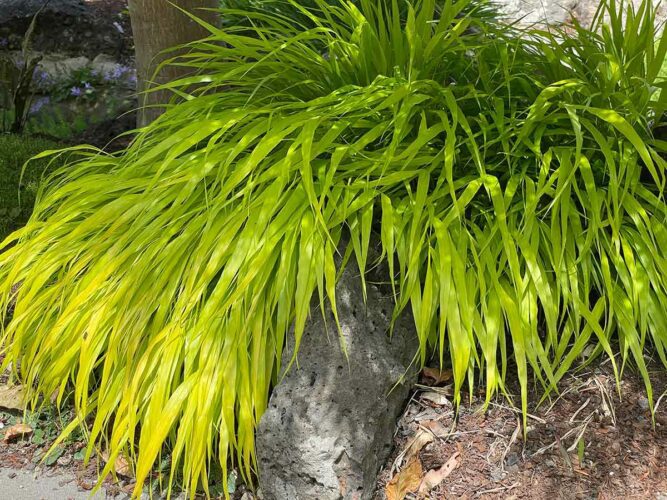
- Japanese Forest Grass
- Ferns
- Hydrangeas
- Actaea
- Brunnera